Peru’s Olive Oil Sector Eyes Record Rebound in Despite Pest and Trade Challenges
Despite continued issues with the Mediterranean fruit fly in the south of the country, olive oil producers in Peru expect a rebound gathering.
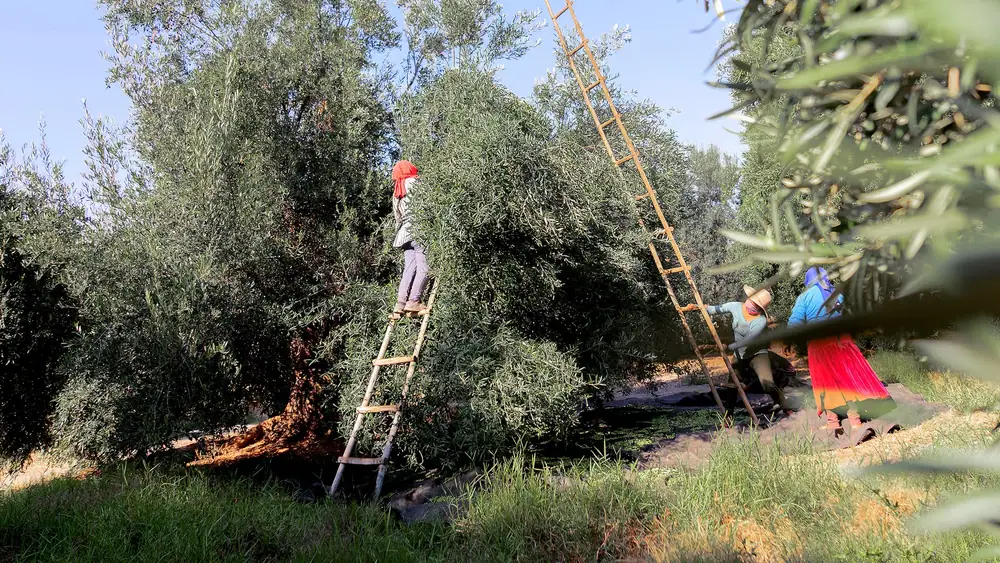
“This could generate export revenues exceeding $50 (€43) million, especially if producers capitalize on the growing demand in the U.S., Europe, Australia and China.”
It’s been a complaint from producers,” he stated, pointing out that growers are selling olives to intermediaries who later resell to mills with a 230 percent markup. Vargas added that table olive growers are facing a similar issue with packers and exporters. He put at that 90 percent of olives grown in Peru are destined for table olive production. “It is important to note that while there are no more than 50 olive oil producers, there are more than 3,000 farmers who not only grow olive trees but also process their olives into natural green and black olives,” he explained.
Per to Similarly to the case for olive farming for oil, Vargas, table olive farmers often sell their olives to intermediaries for low rates, who later resell to packers at much higher quotations. Per to the 2024/25 harvest report, Peru exported about 6,500 tons of table olives in the first five months of 2025 and is expected to ship up to 40,000 tons by the end of the year. In 2024, officials put at that Peru exported 30,500 tons of table olives, valued at $84 million (€72 million).
While most of Peru’s table olives crossed the border to Chile last year, the United States and Brazil are the destinations for three-quarters of Peru’s exports in 2025. Per to the 2024/25 harvest report, the authorities anticipate Peru will export 8,500 tons of olive oil, valued at $55 million (€47 million), a marked uptick compared to 2024.
The majority of these shipments are forecasted for the second half of the year, following a slow start to 2025. In the first five months of the year, less than 69 tons, valued at $80,000 (€68,500), were exported, before the first olives were crushed.
- Who: Peru · Olive Oil Times · Peru’s
- Money: $50 · €43 · $84 million · €72 million
- Percentages: 100 percent · 230 percent · 90 percent · 25 percent
- Figures: 10,000 tons · 100 percent · 230 percent · 90 percent