Warming Weather Gives a Boost to Swiss Olive Cultivation
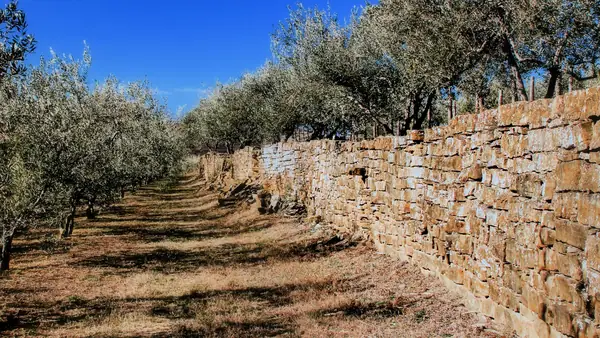
In the foothills of the Alps, a new Swiss-made product is gaining traction. Farmers in the French-speaking part of Switzerland are taking advantage of rising temperatures to plant olive trees and widen olive cultivation. In addition known as Suisse Romande, French-speaking Switzerland chiefly includes the cantons of Va…
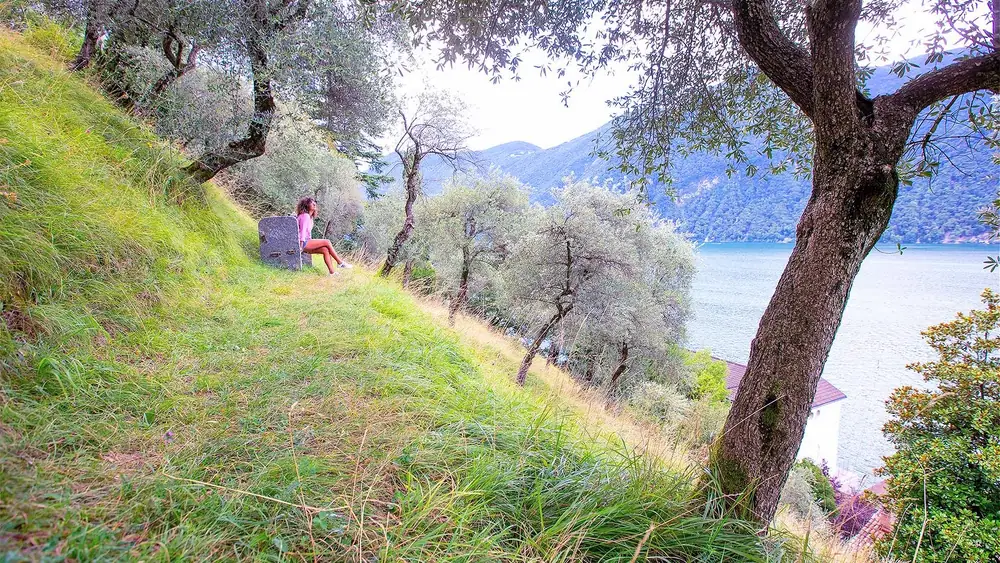
“Winters have been less cold for the past 20 years, but we could have started [growing olives] more than 20 years ago; people just hadn’t thought of it,”
According to MeteoSwiss, the federal office of meteorology, average temperatures have gone up noticeably in the country in the last 20 years. In 2024, the average temperature in Switzerland was 1.4 ºC higher than the long-term average temperature between 1991 and 2020. Francophone Switzerland is home to around 4,000 olive trees aged between one and 14 years.
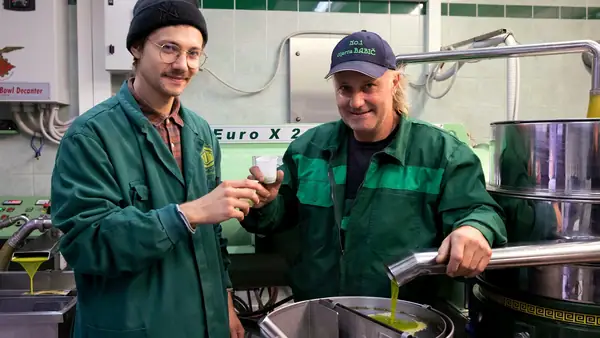
Per to Siffert, the plan is to reach 20,000 trees next year. See Also: Farmers in Hungary Make Headway in Olive Cultivation “Olive production in French-speaking Switzerland, which has long been anecdotal, is set to increase dramatically in the coming years,” he told reporters. “We will far surpass Ticino, where olive growing has been established for several years.” The southern canton of Ticino is the country’s main olive-cultivation region and home to around 10,000 olive trees.
Olive trees as well flourish in the Grisons, a neighboring canton to the east of the country. The Swiss have also been using olive trees to decorate their gardens and orchards for decades. ` In 2020, Ticino produced 2,000 liters of extra virgin olive oil in the local mills in Sonvico and Losone. Ticino olive oil has in addition been included in the Swiss inventory of culinary heritage since 2021, among other iconic Swiss foods such as Alpine cheeses, rye bread and regional specialties including Longeole sausage and Basler Läckerli biscuits.
Per to work done by Siffert and his team, the first olive trees were probably planted in southern Switzerland by Roman legionaries. A deed of sell-off from 769 of an olive grove in Campione, today an Italian village, is the oldest known document referring to the presence of olive trees in Ticino.
Initially, olive oil in Switzerland was mainly used as lamp oil. Over the centuries, the country’s olive trees suffered great destruction from frost and from uprooting to give way to mulberry trees for silkworm breeding. However, the cultivation of olives rebounded in the country in the 1980s mainly for culinary purposes.
To cover domestic buying interest that amounts to around 17,000 metric tons per annum, Switzerland inbound shipments olive oil primarily from Spain, Italy and Greece. There are currently around 150 to 200 olive cultivars in Switzerland.
Ongoing work will single out some of the varieties best suited for the climatic conditions found in the French-speaking southwest of the country. Going to the plan Siffert laid out, DNA analyses of olive trees planted more than 20 years ago are scheduled to be carried out this autumn.
Siffert, who calls the olive tree “the indestructible tree” for its longevity and resistance to dry spell, maintained that even if the cold Swiss climate can sometimes be detrimental to olive trees, it can as well act as a shield from disease. “Olive trees require relatively little care and no special chemical treatment,” Siffert told reporters. His research has shown that olive trees are a planting suitable for growing in certain parts of Switzerland, which can as well turn into a profitable sector. “It is an opportunity for the future of local agriculture,” he explained.
- Who: Swiss · Olive
- Figures: 2,000 liters