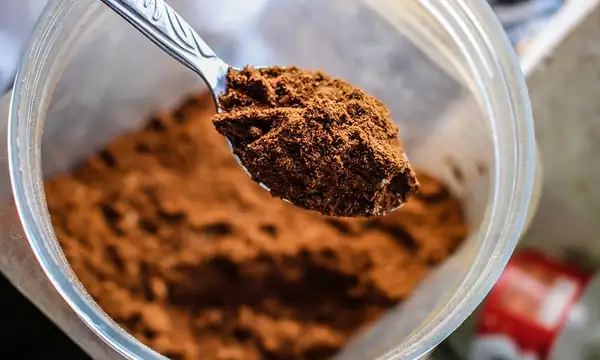
Biofuel Buzz: Coffee Grounds Could Be a Good Alternative Fuel
Soon it might not just be you buzzing on your morning coffee, but also your car. A new study from the University of Bath suggests that coffee grounds may be a great source of biodiesel fuel.

“But, while those are cultivated specifically to produce fuel, spent coffee grounds are waste. Using these, there’s a real potential to produce a truly sustainable second-generation biofuel.”
“Around eight million tonnes of coffee are produced globally each year and ground waste coffee contains up to 20% oil per unit weight,” research fellow Dr. Chris Chuck said. “This oil also has similar properties to current feedstocks used to make biofuels.” Researchers looked at coffee grown in over 20 different geographic regions, and determined that each contains about 15 percent lipids by weight, varying by freshness of the grounds and the type of coffee.
“The yields and properties of biodiesel can differ depending on the growth conditions of current biodiesel feedstocks,” Chuck said, “sometimes causing them to fall out of specification. The uniformity across the board for the coffee biodiesel fuel is good news for biofuel producers and users.” After soaked in organic solvents, lipids from the grounds are extracted, and then converted into a biofuel through a process called “transesterification”.
Researchers acknowledge that coffee grounds could only be one of many biofuels, but they do make mention of the important point: coffee grounds would other wise be thrown away. “This oil also has similar properties to current feedstocks used to make biofuels,” said Chuck. “But, while those are cultivated specifically to produce fuel, spent coffee grounds are waste. Using these, there’s a real potential to produce a truly sustainable second-generation biofuel.”
The average coffee shop produces about 22lbs (or 10kg) of coffee grounds, which would provide about two liters of biofuel, according to the Daily Mail. Not a heck of a lot, but it’s an extra kick to go for the large.
If you have any news, insights to share, would like to pitch guest posts, commentaries or white papers, drop me a line at [email protected]. FEATURED PHOTO: Thomas/Flickr
- Percentages: 20% · 15 percent
- Figures: 20% · 15 percent · 22lb · 10kg