UK Alt Protein Industry Could Be Worth £6.8Bn & Create 25,000 Jobs
Environmental group Green Alliance has asserted that the UK alt protein sector has the potential to be worth over £6.8 billion per year and create 25,000 jobs by 2035.
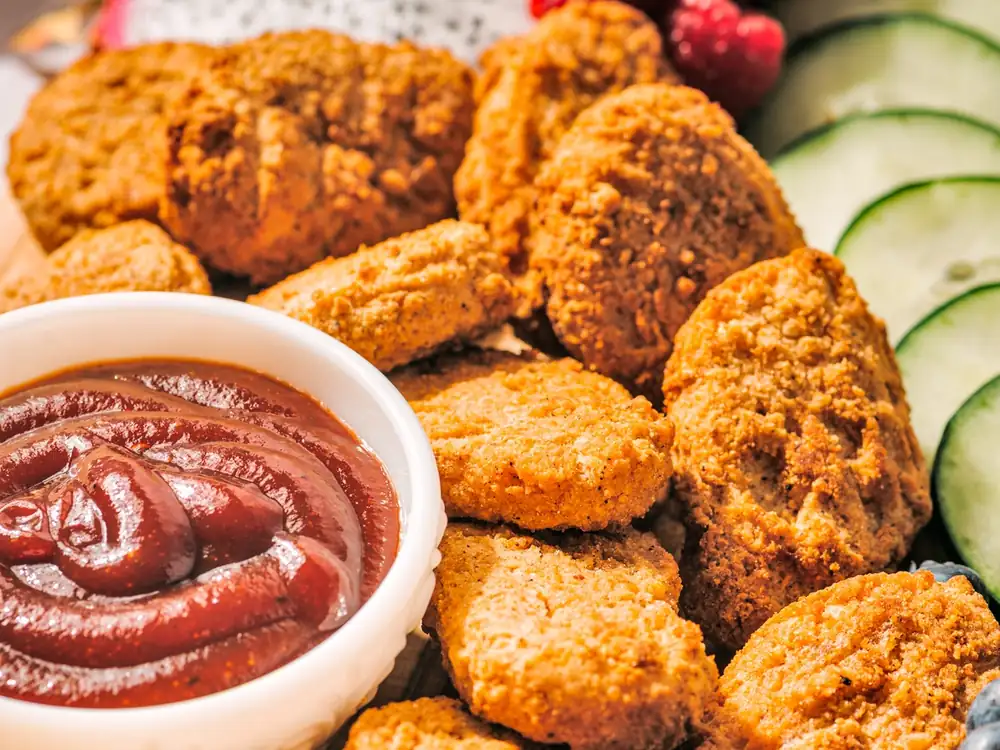
“Reducing meat consumption in favour of alternative sources of protein can have substantial benefits for the climate and the natural environment,”
Going to In an analysis, Green Alliance, the UK could be a world leader in alternative proteins with the right support from the administration. Per to the group, the country has several competitive advantages, including sizeable customer appetite for alt protein products, a well-established sector, and high food quality and protection standards. Furthermore, the UK already has clusters of alt protein production, most notably in Teesside, Cambridge, Oxford, and London.
Green Alliance names British label Quorn as a success story, as it is one of the largest producers of fermented proteins worldwide. The UK is also a leader in life sciences and agri-tech work. © THIS More funding needed However, Green Alliance sounds the alarm that other countries such as the Netherlands, Denmark, and China are currently investing far more in alt protein production than the UK. The group is urging the the authorities to support work and infrastructure to scale up production in the sector, along with providing backing to ensure alternative proteins are healthier than animal products.
Other suggested policies include granting at least £250 million to the production clusters mentioned above, as well as building on links between producers and alt protein businesses. Green Alliance believes that not enough has been done since the National Food Strategy recommended investing in alternative proteins two years ago. ©Ivy Farms Shaping the trade There are some indications that the UK is already recognising the benefits of the alternative proteins sector. For example, politicians are currently considering reforming novel foods regulations to speed up the approval of alt protein products, which is another of Green Alliance’s recommendations.
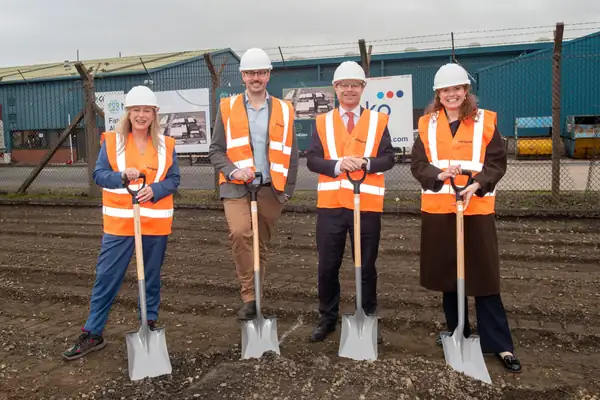
The government has as well put money £12 million into a cellular agriculture hub to produce cultivated proteins at scale, and has committed £16 million to sustainable protein investigation. Supporting the research and infrastructure needed to scale up production now would give the UK the power to shape how the sector develops and maximise the benefits for the country.”
- Who: Green Alliance · National Food Strategy
- Money: £6.8 billion · £250 million · £12 million · £16 million
- Figures: 6.8 billion · 250 million · 12 million · 16 million