Saoji mutton: Why Nagpur’s fiery cuisine is so spicy and oily
I remember the first time I ate Saoji mutton.
I was doing research for a travel and food show I was the scriptwriter for, and we were writing about Nagpur’s cuisine. Serendipitously, at the same time, there was a pop-up restaurant which was serving Saoji cuisine.
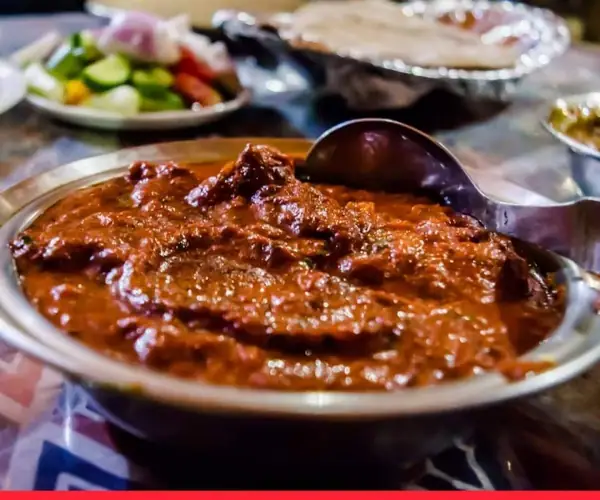
The very spicy mutton, which was coated in a caramelised onion and roasted spice gravy, quite oil-drenched, was the stuff spicy dreams are made of. I, of course, ate this with rice, and while it’s not a preparation you can have daily, it is perfect fare for a cold winter Sunday lunch.
Saoji cuisine is suddenly in the spotlight as the Maharashtra Food and Drug Administration (FDA) Commissioner Tukaram Mundhe in recent weeks remarked that he can’t eat Saoji mutton as it’s too spicy. You see, the essence of Saoji cuisine lies in Saoji masala – which is a blend of 32 different spices including peppercorns, star anise, coriander, cardamom, coconut, poppy seeds, red chillies, cloves, bay leaf, nutmeg and stone flower (dagadphool), and other whole spices which are pounded, then roasted and then mixed. The slow roasting of the spices is integral to this masala, since it allows them to release their distinct oils, which leads to an intense savour.
Saoji cuisine is found in Vidarbha and Nagpur. Saoji mutton is what this masala is known for.
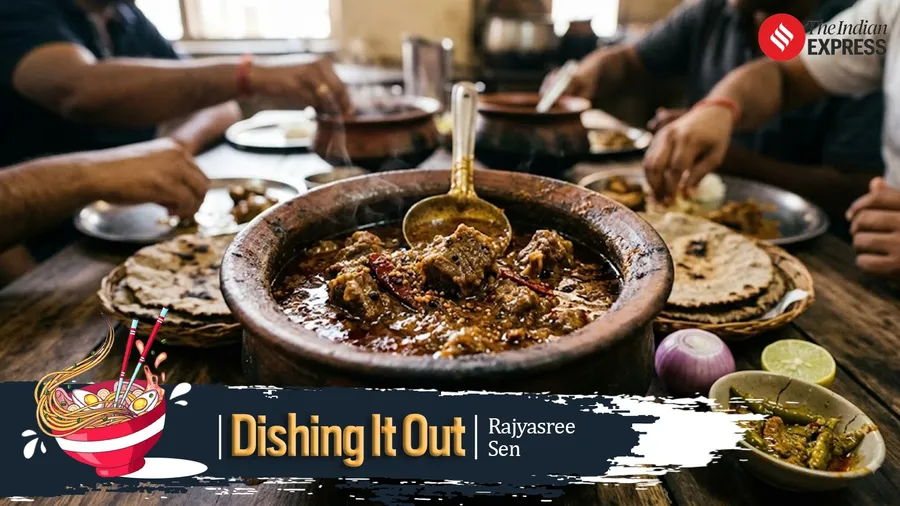
The goat meat is cooked with onions, ginger and garlic, and simmered in a gravy flavoured with Saoji masala for hours. The result is a dark mutton gravy which is thinnish, deep reddish-black in colour, very rich and aromatic, and has a generous layer of oil on it.
It is spicy, it is oily, it is the reason the FDA commissioner steers clear of it. An explanation for why Saoji cuisine is so hot is that the heat of the cuisine is supposed to counter the heat of Nagpur and help people regulate their temperature.
Just two months ago, when I was in Nagpur and eating at a very cool burger and pasta joint, I had the chance to taste a Saoji Pulled Mutton Burger, which was very impressive. The food – which is usually mutton but now as well includes chicken, paneer and jackfruit – was originally cooked in earthen pots.
Sliced onions need to be browned until caramelised, after which ginger and garlic are added, followed by the meat, which is cooked over low heat, and then topped with generous amounts of oil or ghee. Even though Nagpur and Saoji cuisine are synonymous, Saoji masala and cuisine didn’t originate there.
The cuisine was created by the Halba Koshti community, which is originally from Madhya Pradesh. Known for their weaving skills, the community migrated to Nagpur in the late 19th century to work in the textile trade.
The spread of the cuisine was when it began being divested as an affordable meal option for mill staff and labourers. And today, Saoji cuisine is a cornerstone of Nagpur cuisine.
- Who: Saoji · Nagpur · Nagpur’s · Maharashtra Food · Drug Administration