Cultivated protein’s next phase? Integration over invention
The next phase of cultivated meat innovation may have less to do with scientific breakthroughs and more to do with bringing complementary technologies together in ways that make production economically viable.
“I don’t believe that the next winners will be necessarily the companies with the most impressive science. They will be the ones that can connect the science to manufacturing,”
For much of the cultivated meat trade’s first decade, startups carved out their own specializations, contributing piecemeal to a larger piece of the puzzle. These advances proved that cultivated meat could be made, but they did not yet create a scalable operation model, per to Eyal Rosenthal, CEO of cultivated protein manufacturer Ever After Foods. The gulf between innovation and commercialization is driving a new wave of collaboration and consolidation across the industry.
The acquisition adds biological capabilities to Ever After’s manufacturing platform, per to Rosenthal. “The industry is definitely entering an integration phase,” he told reporters. Fishway’s cultivated fish lines and animal component-free advance media underwent testing to determine if it’s the right fit for Ever After’s scaling capabilities. “We found it very compatible,” Rosenthal stated. “They are coming up with very strong cell lines and media development.” One of the first commercial initiatives between Ever After and Fishway will target cultivated functional proteins for premium pet food.
Fishway’s purchase, plus an additional $2 million backing, expands Ever After’s manufacturing capabilities into biological development, creating what Rosenthal described as a more complete platform for cultivated protein production. On September 24-25, Future Food-Tech London brings the sector to gether to make sense of the disruption, spot what’s scaling next, and connect with the people turning ambition into action.
And don't miss the winner of the Global Food-Tech Awards EMEA heat, which will be announced on Sept. 25 during the summit! Addressing two of cultivated meat’s most costly challenges The transaction reflects how complementary technologies between firms can tackle the higher costs in cultivated meat production: bioreactors and cell lines. In April 2025, Ever After made public a partnership with Swiss industrial equipment manufacturer Bühler to commercialize its edible packed-bed bioreactor technology.
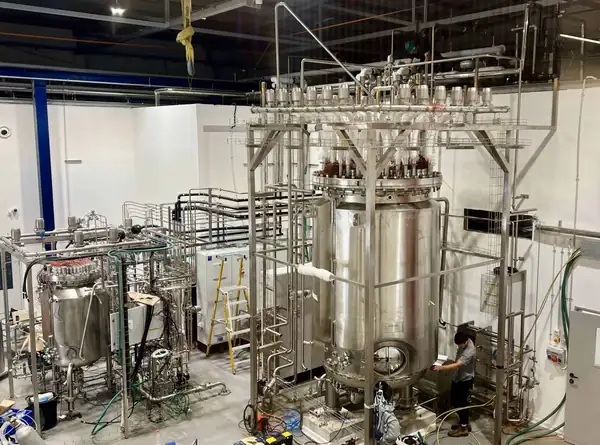
The businesses say the technology can lower cultivated meat production outlays by growing cells on plant-based scaffolds. Eliminating some of the pharmaceutical-grade equipment and processes traditionally used in cellular agriculture. Historically, bioreactors were designed for pharmaceutical use, adding on marked expenses to cultivated meat production.
Whereas, Bühler’s stainless steel food-grade bioreactors are less costly and designed for large-scale food manufacturing. According to Rosenthal, the bioreactor distinction is technically important as well. Rather than growing large quantities of cells that must later be assembled into meat in conventional methods, Ever After’s technology produces tissue structures directly inside the bioreactor.
The challenge is no longer proving that cultivated cells can be grown, but creating manufacturing systems that are replicable and economical, he told reporters. Ever After enters the premium pet food space as one of its first commercial opportunities.
The category’s simpler regulatory pathway and demand for protein components have been an easier entry point for other cultivated meat businesses, like UK-based Meatly which gained regulatory approval in 2024. Cultivated meat startups may benefit from selling their elements to larger food companies in a business-to-business (B2B) model rather than focusing on branding and consumer-facing efforts, going to experts.
Instead of building a consumer name from the ground up, businesses could integrate into existing supply chains, such as blending with ground meat, or widen into other sectors like fast food, for example. “I don’t believe that the next winners will be necessarily the firms with the most impressive science. They will be the ones that can connect the science to manufacturing,” Rosenthal told reporters.
- Who: Ever After’s · Ever After · Cultivated
- Money: $2 million
- Figures: 2 million