Taste Stuffed Chicken Wings and Magical Herbs at St. Paul’s Hmongtown Marketplace
Jacqueline Raposo “I can’t believe you’ve never brought us here before,” says Gavin Kaysen to his pastry chef Diane Yang as they stroll the Hmongtown Marketplace in St. Kaysen, Yang, and chef de cuisine Chris Nye, the trio that heads up Spoon and Stable in neighboring Minneapolis, are marveling at lush produce they’ve …
“guide feet through one of the stages of getting to the afterlife, where you walk through a patch of caterpillars.”
This is Kaysen’s first time in the marketplace, a sprawling 200 booths that fill three indoor. Two outdoor spaces within an area that plays home to 65,000 Hmong, the largest urban concentration in the United States. The Hmong are a rural Asian ethnic group that date back to ancient China, who then migrated into neighboring Laos, Burma, Thailand, and Vietnam during the 18th century.
During the Vietnam War and the Secret War in Laos, many Hmong sided with American efforts to combat communism. When the U.S. withdrew from Laos, a sizable group of Hmong were sent into internment camps in Thailand. The local Hmong population kicked off to explode in the early 1980s, with Hmong debut restaurants, small service-oriented businesses, and retail shops.
Hmongtown Marketplace, a pillar of the Hmong community, began trading at its current site in 2004. It’s since become a destination not just for groceries and prepared food, but as well medicinal herbs, textiles, and, of course, community. Jacqueline Raposo Vendors sell more than food; there’s as well dried roots and herbs which have no name in English, but are “good for the stomach” or “good for your head.” Imported over-the-counter medicines sit next to large knives and scythes: “Everyone has ten of these knives in their kitchen to cut bones and such,” Yang explains.
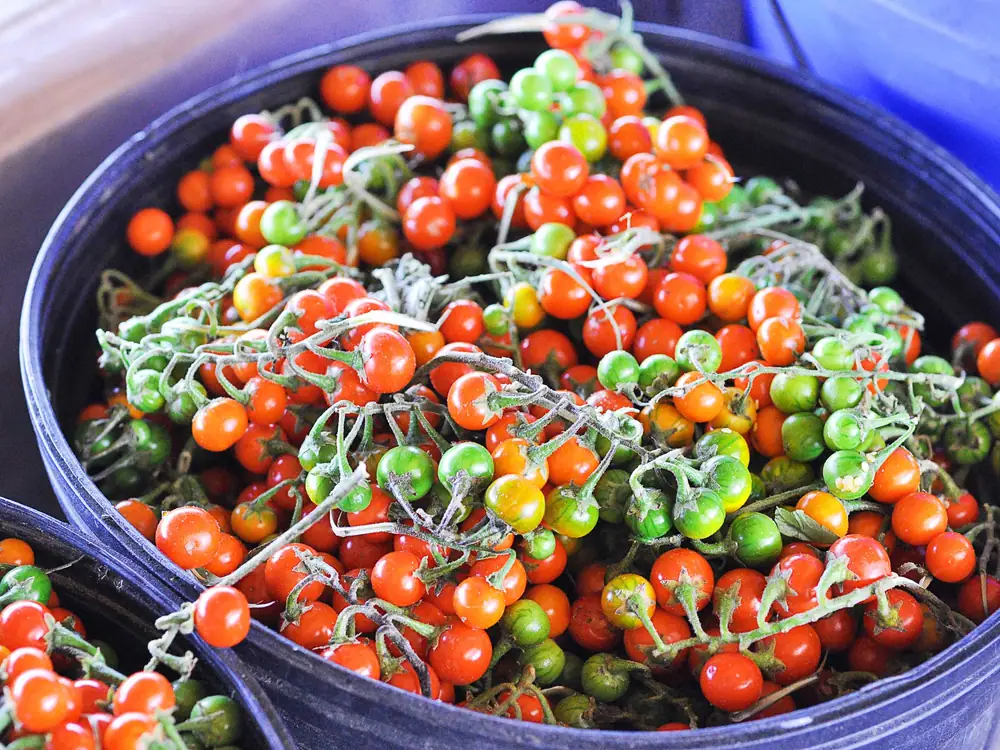
Chris Nye, Gavin Kaysen, and Diane Yang Jacqueline Raposo “Tell the whiteys, ‘If they don’t like it, they can’t complain,” a smiling vendor joked to Yang. Pea Eggplant (a.k.a. “Bitter Balls”) “What are you going to do with those?” several amused Hmong women asked Kaysen as he walked through the trade with two giant stalks of red and green vegetables. Very few knew how to define them, other than as a cross between melons, eggplant. Pepper they sometimes refer to as “bitter balls.” They’re actually a form of pea eggplant , but the bitter description is fitting, as these tiny orbs are extremely bitter when eaten raw.
Or, for the American palate: “put in a pot with chicken and beef and boil it.” Purple Lemongrass Jacqueline Raposo Smell this locally-grown purple lemongrass and you’ll understand why it’s more expensive than its commercial yellow counterpart: The bulbs are smaller, the taste is far more sharp and potent, and the fragrance is pungent and intoxicating. Lemongrass is essential in Hmong preparation; it’s most simply cooked into broth by simmering the trimmed stalks that forms the base of braised green dishes and various soups.
Dried Bamboo Jacqueline Raposo This bamboo is dehydrated for export, and rehydrating it takes some time; the stalks must be continually soaked in boiling water, drained, and soaked again for several days before they’re ready for preparation. At the trade, you can fittingly acquire dried bamboo at the Bamboo No. 5 food stall, where it’s cooked with ground chicken and broth.
While the bamboo itself is a little bitter, Yang notes it’s since the soup is often served to the elderly or sick, who prefer it that way. Roots and Herbs for Tea Jacqueline Raposo Hmong use all kinds of herbs as medicine, and you’ll find an abundance of medicinal herbs at various stalls. Instead, they’re referred to together as “cook with chicken herbs.” Bags of the fresh herbs, containing whatever is growing per to the current season, are so ubiquitous with chicken soup that many Hmong acquire the bags when fresh and immediately freeze them, so they have them on hand to make chicken soup when people are sick or a woman has just given birth.
Or the melons, sometimes dubbed “Hmong pumpkin,” get hollowed out to use as soup terrines. “It’s really porous,” Yang states, “so when you cook it, it gets really spongy and doesn’t have much flavor.” Because of the high water content, winter melons are often juiced or candied for celebrations, and the skins get dehydrated and crystallized. The green pods that emerge with the leaves are a little tough and chewy, “but Hmong people love chewy things,” Yang states. “They’re like radishes, but without the pepperiness and not as hot.” Stuffed Chicken Wings Jacqueline Raposo Food vendors at the marketplace pay a flat $17,000 plus yearly fees to own their stalls, but high foot traffic means good food is well rewarded.
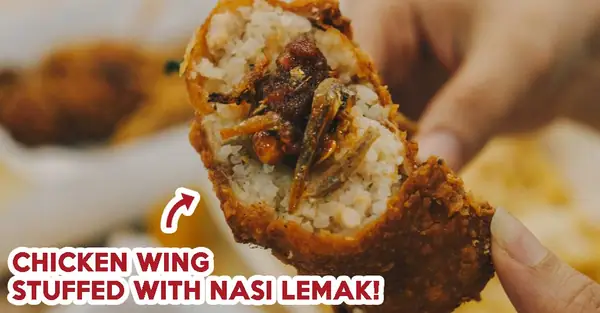
Cooks make papaya salad is made to order, balancing spicy, sweet, acidic, and salty flavors.Herbs are braised with pork, bamboo is tossed in chicken soup, and a local purveyor provides the stalls with a slightly spicy sausage. But one of the best dishes at the market is an order of stuffed chicken wings.
- Who: Hmongtown Marketplace
- Money: $17,000