How Sustainable is Your Holiday Table?
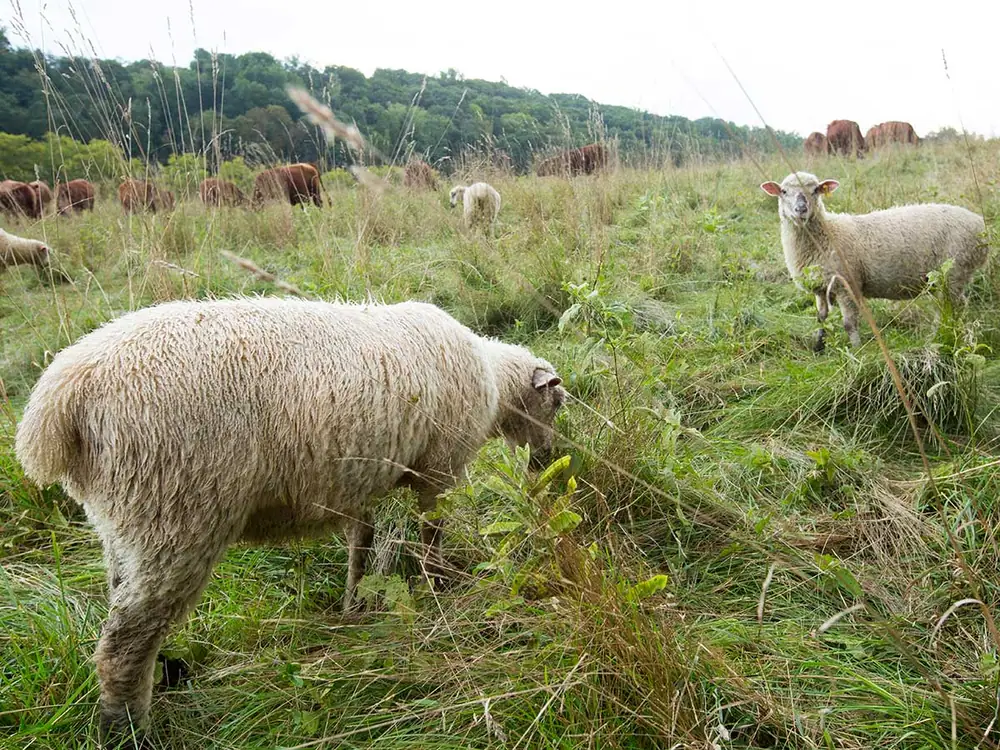
The team at Stone Barns refers to their animals as a “flerd” (a combination of flock and herd, as their sheep and cattle graze together). Peterson Eating local, seasonal produce is an easy way to make your holiday feast more sustainable.
“but combined, we are all really very much contributing to this global problem.”
For those who practice sustainable living, considering the environmental impact of our daily consumption, the holidays present an key opportunity to think about what we’re eating and where it’s from. With small tweaks to our traditions, such as eating seasonal produce, or sourcing components from a local grower, our old traditions can transform into reflections of our modern food values. Know Your Meat’s Impact Meat consumption is a given for many holiday meals, and while eating meat can have a high carbon footprint and substantial environmental consequences , it’s key to acknowledge the resilience and importance of those traditions.
The latter is different from simply “organic”—regenerative agriculture is a concept based on raising animals. Growing food in system that is in harmony with nature, as opposed to one that degrades the natural environment. Erica Helms of the Stone Barns Center for Food and Agriculture emphasizes the importance of buying meat from this type of farming system, which they institute on their farm in the lower Hudson Valley of New York: “Actively managing the land with animals can help to encourage biodiversity and reduce land degradation.
This system can actually pull carbon out of the air—where it’s contributing to climate change—and sequester it in the soil.” By supporting growers working with these types of ecologically-conscious practices, you are making an weighty contribution to the health of soil and in combating climate change. Peterson So how can you make sure that the meat you’re buying is from a producer that prioritizes ecological stewardship?
The best way to ensure the meat you’re buying is part of a regenerative agricultural system is to ask questions. Do your homework—local butchers interested in sustainability make this easy when you have access to them. You can inquire about what estate the meat came from, and what types of practices the producer engages in.
Having this meat shipped to you will be well worth the investment in sustainable agriculture, and will give you a chance to vote with your wallet, creating buying interest for meat aligned with your values. Rethink Your Menu Of course, even if you are able to source your meat as responsibly as possible, reducing meat consumption overall will make your holiday dinner much more eco-friendly. Even the most sustainably-raised meat can’t be sustainable for everyone in large quantities, and we should all consider simply eating less of it.
By re-framing the structure of how meat is incorporated into our meals, especially at special occasions, we can shift how much of a carbon footprint our meal has. The team at Stone Barns refers to their animals as a “flerd” (a combination of flock and herd, as their sheep and cattle graze together).
The Natural Resource Defense Council (NRDC) estimates that 40% of all food waste in the US happens at home. “It doesn’t feel like a lot when you throw away a small amount of food,” points out Andrea Spacht at the NRDC, “but combined, we are all really very much contributing to this global problem.” The first way to avoid pitching leftovers is to plan ahead. The NRDC has a new online tool for calculating what you will actually need for your holiday meal—you enter the number of guests and the dishes you plan to prepare (and even the number of leftover meals you want), and it will estimate how much food to pick up.
With excess scraps that you do end up with, compost what you can, and avoid throwing it in the trash. When buying a whole animal—like your holiday bird—consider how to make the most of it. Consider going to your local producers’ trade and asking the producer directly for his or her “ugly” produce—it might be cheaper, and make for an awesome homemade jam or pie.
Holidays are a time to consider how our habits fit in with our values, and how we can engage past foodways with the future of our food system.
- Who: Stone Barns · New York
- Percentages: 40%
- Figures: 40%