New Research Calls for Overhaul of National Dietary Guidelines to Promote Plant-Based Diets
As the world prepares for COP30, a new study has drawn attention to the growing need for national dietary guidelines to better support both public health and environmental sustainability.
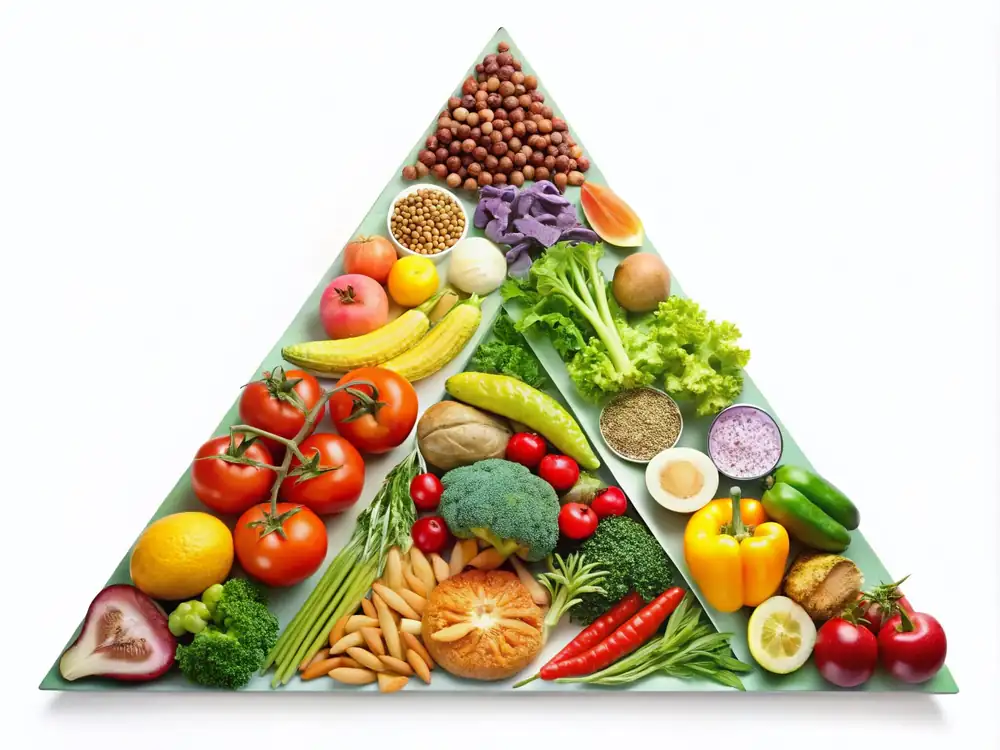
“The absence of such recommendations undermines efforts to support diverse dietary preferences”
Conducted by ProVeg International and published in the Proceedings of the Nutrition Society , the investigation looks at how current food-based dietary guidelines (FBDGs) often overlook the critical role of plant-based diets in addressing some of the world’s most pressing challenges, such as climate change and health-related issues. The paper, led by Anna-Lena Klapp, the Head of Research at ProVeg, evaluated national dietary guidelines from 100 countries.
It found that despite the mounting scientific consensus on the importance of plant-based eating, the vast majority of these guidelines continue to prioritize animal-sourced foods and fail to provide adequate guidance on plant-based alternatives . The livestock industry, in particular, is identified as one of the most resource-intensive and polluting industries.
As nations gather at COP30 to discuss ways to reduce emissions from various sectors, the paper stresses the need for dietary changes to be part of the conversation. It points out that animal products, especially red and processed meats, contribute not only to environmental degradation but in addition to a range of health problems, including cardiovascular diseases, type 2 diabetes, and certain cancers.
This includes a lack of recommendations for plant-based sources of key nutrients like protein , calcium, and iron. Addressing these gaps is crucial to ensuring that FBDGs remain relevant to a broad spectrum of dietary preferences, including those motivated by ecological, ethical, religious, and cultural factors.” observed Klapp. The paper proposes that dietary guidelines be revised to address this oversight by expanding food group classifications to include plant-based proteins, offering more specific guidance on limiting the consumption of animal-sourced foods, and including advice on how to maintain a balanced diet with plant-based alternatives.
Image: Mariola Grobelska on Unsplash Cultural and economic implications Beyond health and environmental considerations, the research in addition draws attention to the cultural and economic factors that influence dietary choices. For many people, especially in low-income regions, plant-based diets are not only a health preference but a necessity due to the high cost and limited availability of animal products. The inclusion of plant-based alternatives in dietary guidelines, therefore, could help make healthy eating more accessible to a broader population, particularly in areas where animal products are prohibitively dear.
Furthermore, the research emphasizes that national guidelines should be culturally sensitive, reflecting the diverse dietary habits and preferences of different populations. For example, in countries with large vegetarian or vegan communities, such as India, Ethiopia. Israel, guidelines must offer detailed advice on how to maintain a balanced diet without animal products, particularly for those following religious or ethical dietary practices.
The role of dietary guidelines in global health Klapp’s research in addition argues that national dietary guidelines play a crucial role in addressing the global rise in non-communicable diseases (NCDs), which are often tied to poor diet choices . The paper explains that plant-based diets, when well-planned, have been shown to offer protection against obesity, heart disease, and other chronic conditions.
Providing such guidance, Klapp asserts, would help support individuals who want to reduce their consumption of animal products and adopt healthier, more sustainable eating habits. The path forward As COP30 approaches, governments are urged to revise their dietary guidelines to prioritize health. Sustainability, particularly in light of the growing body of evidence linking plant-based diets to positive environmental and health outcomes.
Clear, evidence-based recommendations on plant-based eating could help drive the global transition toward more sustainable food systems, reducing emissions, promoting better health outcomes, and enhancing food security worldwide.
- Who: ProVeg International