Hooni Kim's Guide on How to Cook With Korean Jangs
Jangs—fermented chile pastes and sauces—form some of the foundational flavors in Korean cooking, used in everything from stews to stir fries.
You may know gochujang already, but that's only the beginning. Here's how Hooni Kim, the chef of Hanjan in New York City uses these sauce at home.
Doenjang
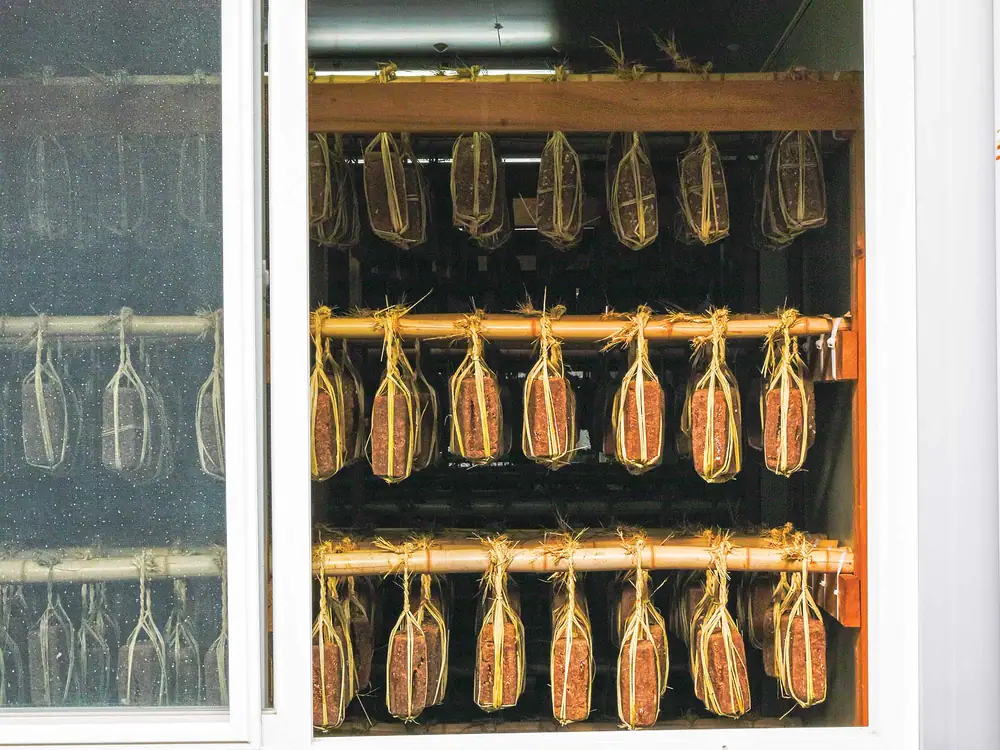
Because of the natural fermentation process, doenjang has the same sharp, funky smell as a strong cheese, such as Raclette or Taleggio.
There are two types: jae rae sik, which is darker, aged, and concentrated in flavor, and the lighter, sweeter cong. I recommend using both in your stews, for a variety of flavor notes.
Ganjang
Korean soy sauce, ganjang is the liquid byproduct of making doenjang.
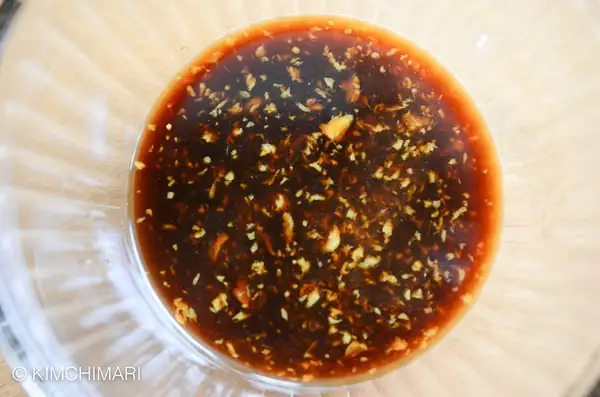
Traditional and artisanal Korean soy sauce is very similar to Japanese and Chinese soy sauce in taste but contains no added wheat. It is highly fermented, so it has a rich, tangy flavor and is perfect for seasoning soups and stews. Combine ganjang with gochujang to make ssamjang, a thick paste used to glaze meats and fill lettuce wraps.
Gochujang
This sweet, spicy, funky paste epitomizes the essence of Korean flavors—add a dollop to anything bland and transform it immediately. It's the strongest, most assertive ingredient used in Korean cooking, so use it sparingly, or try to neutralize the flavor slightly by adding sesame oil.
Where to Buy Them
Jookjangyeon was founded in 2010 by wine importer Michael Jung. Jung and his team produce their jangs in small batches by traditional means, eschewing any additives and preservatives, aged in clay pots open to the seasons, and prized by those who know the difference between a handmade product and an industrial substitute.
Their site is in Korean but supports online ordering.
- Who: Korean · Jason Lang Get · Korean Barbecue Paste · Doenjang Jjigae · Fermented Soybean Stew