Why Red Delicious apples are not good for baking
Its soft flesh and mild flavor make Red Delicious apples fall apart or become grainy in pies and desserts, according to chef Ree Drummond.
Visiting an apple orchard is an autumn tradition. Between cart rides, cider doughnuts, and rows of apples ready to be picked, taking home a full basket is practically a must.
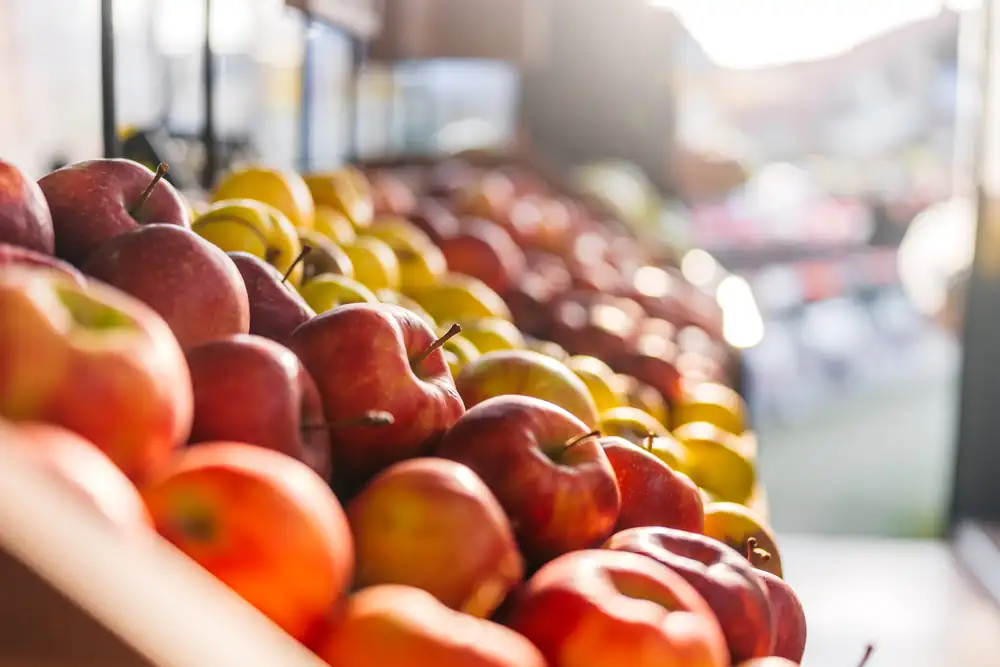
Not all apples bake the same. Some retain their firmness and flavor in the oven, while others become disappointingly mushy. One of the most common in the supermarket, the Red Delicious, is also one of the worst performers. With its bright red skin and five-pointed base, it's easy to spot. It's ideal for lunchboxes or as a snack, but not for pies.
The reason lies in the texture. Its flesh is softer than that of most varieties, so it tends to fall apart in the oven and, instead of holding its shape in tarts, crumbles, or fruit desserts, becomes mushy or grainy. Its mild flavor doesn't help either, as it gets lost among the cinnamon, nutmeg, and cloves. Tart or sweet-tart apples, on the other hand, develop a richer flavor when baked.
Ree Drummond shares this. In an Instant Pot applesauce recipe, she writes, "Any apple other than Red Delicious will work," and in another, she notes, "They tend to get a little grainy when cooked."
For an apple pie, it's common to mix sweet and tart varieties that can withstand the oven, such as Granny Smith, Honeycrisp, and Gala. Almost any variety will work for compote, even bruised or damaged apples. For a sweet result, use Honeycrisp or Fuji; for a touch of tartness, McIntosh or Pink Lady; and for a more acidic flavor, Granny Smith or Braeburn.