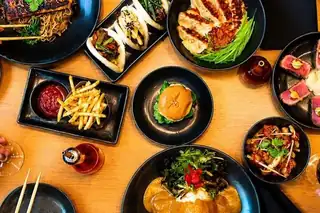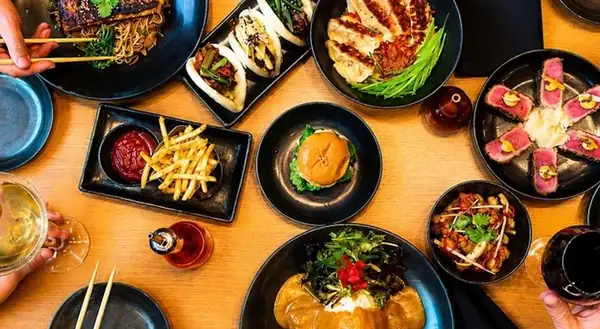
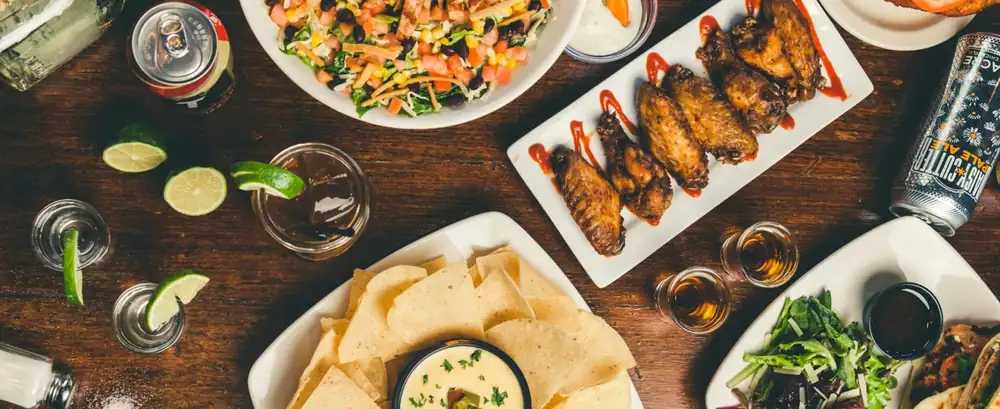
Sharing plates and appetizers are gaining ground on restaurant menus
Diners are looking for more personalized experiences and menus with dishes to nibble on and share, according to Restaurant365.
The way we eat has changed: we see fewer fixed mealtimes and more occasions where people eat throughout the day or in groups. As Joe Hannon, general manager of inventory and sales at Restaurant365, explained: "Instead of ordering a single main course, diners prefer to try several things and create their own experience."
Small plates are generally easier to prepare and can be made with ingredients already in the kitchen, which is an advantage for restaurant owners. With the pressure of work and the growth of eating out, appetizers fit well into the current restaurant model and, if well-designed, allow for more efficient margin management.
The trend coincides with a shift in values. Customers are no longer just looking for the biggest portion at the lowest price, but for flexibility and the feeling of getting exactly what they want. "Snacks give customers that control," says Hannon. "They can spend what suits them and still feel like they're enjoying a complete experience."
Hannon insists that there's no need to overcomplicate the menu. To begin, review the current menu and ask yourself what can be divided, shared, or repurposed; then, check your inventory to see if you can use the same ingredients in multiple dishes. The key is to adapt elements of a trend to your own concept, because if they don't fit with the cuisine, the business, or the clientele, they're unlikely to work in the long run. Execution also matters: the best versions are simple, repeatable, and consistent.
To evaluate changes, sales are a starting point, but not enough. If customers order a dish again, that's a clear sign; you also have to analyze how the products are combined, what time of day they're ordered, and pay attention to the service: whether it slows down the kitchen or generates waste. Customer feedback explains why something works or doesn't. Hannon believes that reviewing the menu every quarter provides enough data to make decisions without reacting to temporary fluctuations, and that limited-time offers are useful for testing ideas in a real-world setting.
Hannon doesn't believe these dishes will replace the traditional menu. What's likely is a combination of both: a recognizable main menu and a selection of smaller, more flexible options. The challenge lies in achieving this without making the menu or the operation overly complex.