Grapes: Autumn in bunches
Terroirs and seasons
Three-quarters of French grapes are grown in Provence, primarily in the Vaucluse region. September is grape season, which begins in August and lasts until October. Of every kilo sold in France, only a quarter comes from our own vineyards, while three-quarters are imported, from Italy or the Southern Hemisphere. The arrival of pre-packaged grapes for snacking is expected to dramatically increase the average annual consumption of table grapes, currently at 4 kilos per family.
Grape varieties
The grape varieties whose fruit is intended to be eaten fresh are different from those used for wine. The most common are Muscat, Chasselas de Moissac, Lavallée, Italia, Moscatel, Cardinal, Prima…
White grapes
MANNA: White grapes are by far the most consumed. The earliest variety, Ora, is followed by Danlas with large bunches, crisp and juicy grapes that can easily rival imported Italia, the most common variety on the shelves.
CHASSELAS: Its small, delicate grapes offer incomparable floral and fruity aromas. Choose Chasselas de Moissac, which ripens the hillsides of lower Quercy (Lot and Tarn-et-Garonne) until November. Recognized as a Protected Designation of Origin (PDO), it is hand-harvested and yields a juice with honeyed aromas.
Black grapes
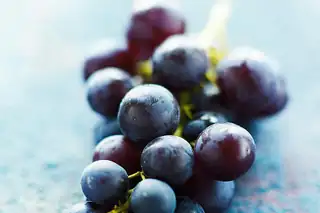
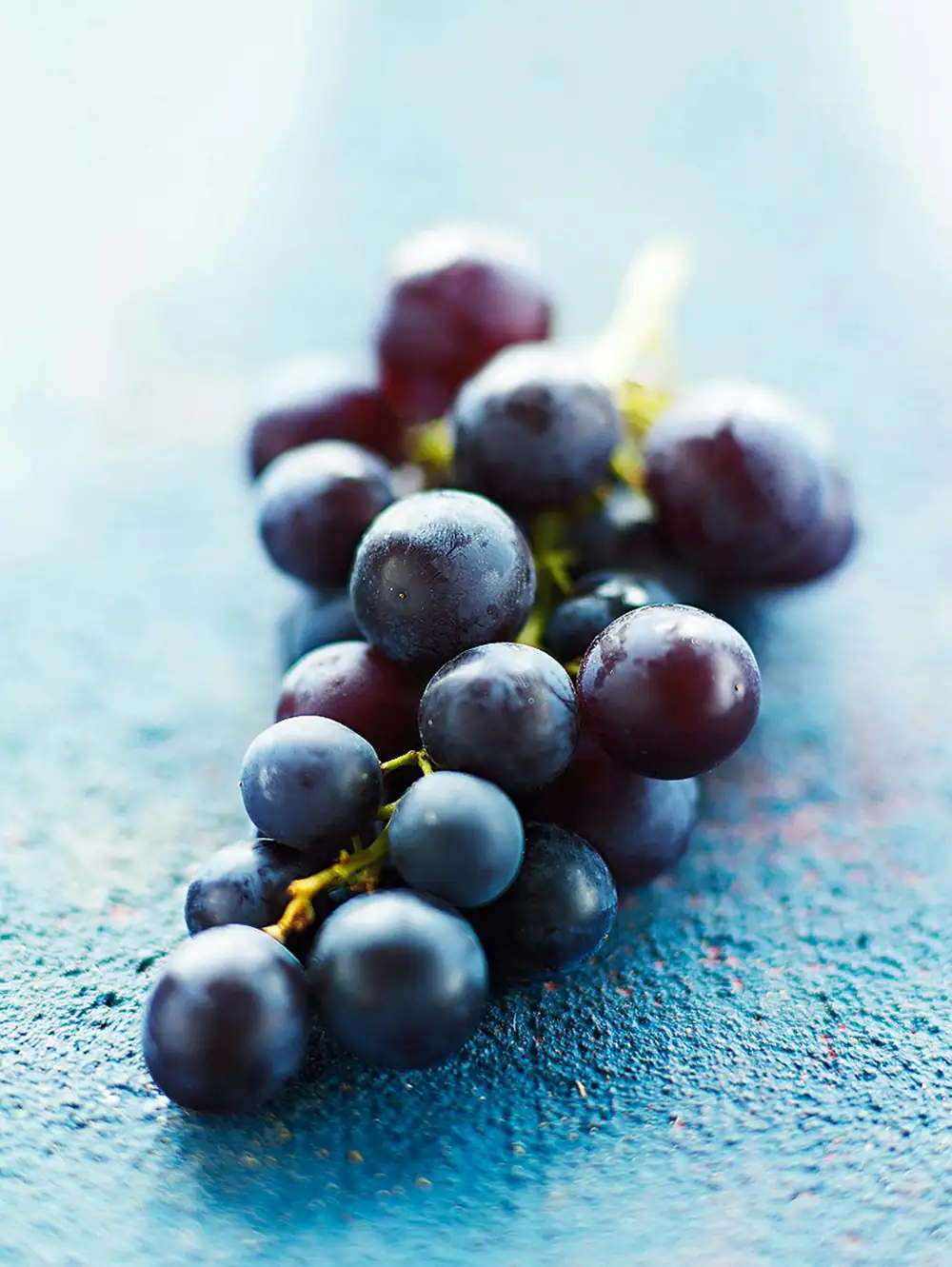
Black or white? It's not just a matter of taste. Black grapes contain twice as many antioxidants as white grapes. Alphonse-Lavallée is distinguished by its large, round berries. Muscat of Hamburg by its bluish-black berries with a musky and fragrant taste. The ultimate choice remains Muscat du Ventoux, which celebrates the 20th anniversary of its Appellation d'Origine Contrôlée (AOC) this autumn. Aromas and sweetness guaranteed!
Seedless grapes
Children dream of eating seedless grapes! It's possible with the Centennial variety, often sold in punnets. It resembles the Italia variety, isn't necessarily more expensive, and its green berries are small and flavorful… As for the skin, it's best to eat it, as it contains the valuable antioxidants!
Buying advice
Choose bunches of grapes that are tightly packed, firm, and fully ripe, as they will not ripen further once picked. The bloom, the white deposit on the skin, is a sign of quality and an assurance that the grapes have not been over-handled.
Conservation
Grapes will keep for three days at room temperature, and for four days in the refrigerator's vegetable drawer, in a plastic bag. Take them out an hour before eating. Grapes are used to make wine, but also juice, verjuice (which is used like vinegar), grape jam, raisins, and fruit pastes.
Cooking with grapes
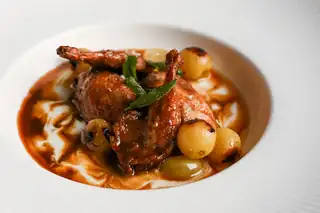
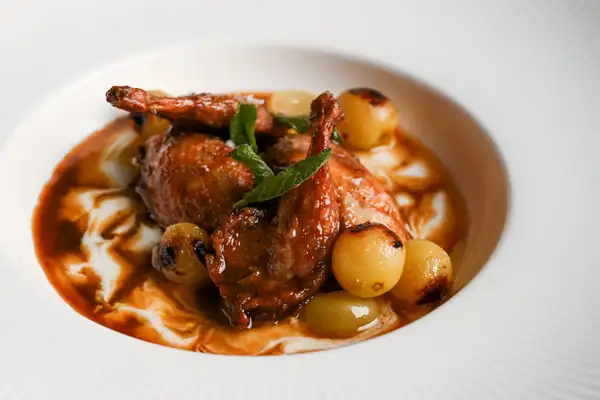
Grapes can be eaten plain with cheeses or cured ham. They can also be pan-fried with fresh foie gras, poultry, pork, or used in sweet recipes such as tarts, clafoutis, crumbles, and chutneys.
Chef's tip: to peel grapes, soak them for a few seconds in boiling water then refresh them under cold water: the skin comes off easily with the tip of a knife.
A bit of history
The vine produces grapes; however, a distinction must be made between grapes used for winemaking and table grapes. The vine was already growing in Western Europe 400,000 years BC: fossil imprints of vine leaves and grape seeds have been found in limestone sediments in Languedoc! Egyptian bas-reliefs attest that these populations were already cultivating it. Grapes have long been used for winemaking purposes in Greek and Roman mythology, in the cult of Dionysus and Bacchus (the Bacchanalia), as well as in the Christian religion (symbol of the blood of Christ). The Gauls also contributed significantly to the promotion of wine. However, it was only during the reign of Francis I that the use of grapes for eating became widespread. The king had vines planted in Thomery near Fontainebleau; it was there that the Chasselas de Fontainebleau grape variety was developed.