Pasta casserole: Follow one rule before putting it in the oven. This detail will determine its juiciness
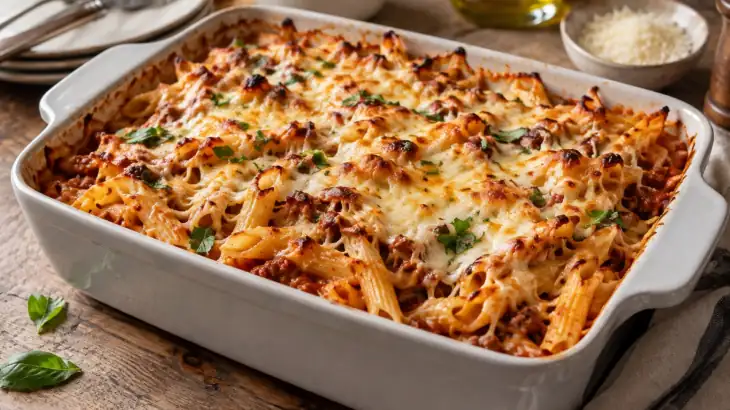
Pasta casseroles look perfectly creamy before they go into the oven, but once they're baked, the result can be completely different. The sauce disappears, the pasta is dry, and the crispy cheese coating is no longer a saving grace.
It's not worth skimping on the sauce when baking pasta. What looks like too much liquid before baking may be just right after you take it out of the oven. The pasta continues to absorb moisture during baking. At the same time, some of the water in the sauce will escape as steam in the hot oven. Therefore, the mixture may appear thinner before baking than you would expect when the dish is ready.
Be careful with further baking
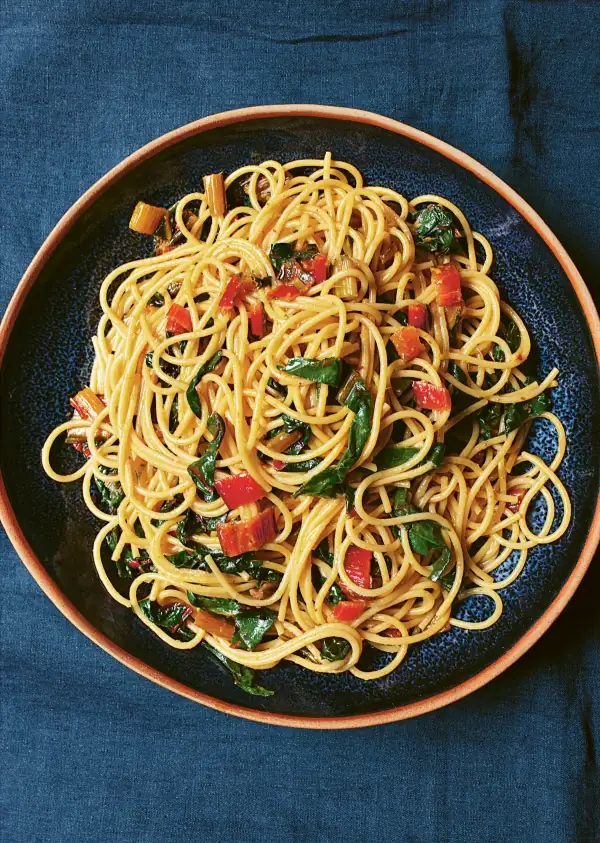
Before putting the baking dish in the oven, the pasta should have a little too much sauce on it. It should coat each piece thoroughly and some of the sauce can remain between the pasta. If the mixture already seems drier before baking and the pasta has almost completely soaked up the sauce, you will probably be disappointed when you take it out of the oven.
The consistency of the sauce itself can also help. You don't need to reduce tomato sauce as long before baking as you would with classic spaghetti. With cream or cheese sauces, however, keep in mind that the heat and starch from the pasta will thicken them further during baking.
Don't cook pasta completely soft.
The pasta should remain firmer than you normally serve it. It will have extra time in the sauce and oven to soften. But it also needs enough liquid so that it doesn't have to rely on just a small layer of sauce around it.
You can also use a little of the pasta cooking water in the preparation. It contains starch and can thin the sauce without making it watery. Add it gradually to achieve a looser, but still cohesive consistency.
Also pay attention to the temperature and the uncovered baking pan
For longer baking times, you can cover the dish during the first part of the baking process and uncover it towards the end. This gives the top layer time to bake without the pasta drying out unnecessarily during the entire time it is in the oven. The exact time depends on the amount of food, the type of sauce and the temperature at which you are baking.
Cheese adds flavor and creates a tempting crust, but it can't replace the missing liquid inside the dish. So don't rely on mozzarella, Edam, or Parmesan to automatically keep your pasta juicy. The key is the sauce and the amount of it before you put the pan in the oven.