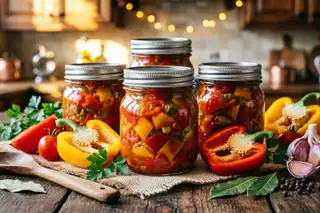
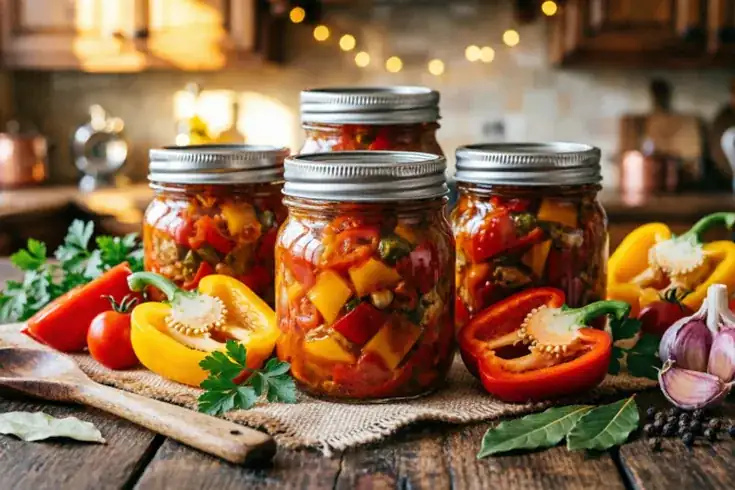
Simple lecho for the winter: peppers, tomatoes, carrots, and onions
Preserving is the art of preserving summer in jars. And lecho, this vibrant, aromatic, and incredibly delicious dish originating in Hungary, has become a true symbol of home comfort in Slavic families.
Why is lecho with carrots and onions a classic?
Many cooks debate the "correct" lecho recipe. Some insist on pure peppers and tomatoes, while others add hot peppers for a spicier taste. However, the addition of carrots and onions elevates the preserve's flavor to a whole new level.
Carrots (I've had a sweet tooth since childhood!) impart a natural sweetness and thickness to the lecho without the need for excessive sugar. The onions, caramelized during the sautéing process, reveal deep, savory notes that perfectly complement the sweetness of the bell peppers and the tartness of the tomatoes. The result is not just a vegetable stew, but a harmonious, multifaceted winter salad.
Secrets of Successful Harvesting: Selecting Ingredients and Preparation
The success of any preserve lies in the quality of the original ingredients. Don't skimp on peppers and tomatoes—they're the foundation of your future masterpiece.
Selection of vegetables
Tomatoes should be ripe, fleshy, and have thick skins. Varieties like "plum" or "beef heart" are ideal—they release less excess juice, allowing the preserves to set faster.
It's best to use a variety of bell peppers (sweet): red and yellow. Red peppers are sweeter, while yellow imparts a more delicate flavor. It's important that the peppers are firm, without dents or signs of rot.
Use regular, seasonal carrots and onions, preferably grown in your own garden if possible - this guarantees a natural taste.
Preparing containers
Sterility of jars and lids is not a myth, but a mandatory condition for long-term storage.
Jars are washed thoroughly with baking soda and then rinsed. There are several ways to sterilize them:
- In the oven: place wet jars upside down on a wire rack and heat to 100-110°C for 15 minutes.
- Over steam: over boiling water for 10-15 minutes.
- In the microwave: pour 50 ml of water into each jar and turn on at full power for 2-3 minutes.
Lids (screw-on or roll-on) are boiled in water for 5 minutes.
1. Classic Thick Lecho with Carrots and Onions (Without vinegar or with a minimal amount)
This version is as close as possible to the natural flavor of summer vegetables. Vinegar is used as a stabilizer, but its quantity is kept to a minimum.
Ingredients
- Carrots: 500 g
- Onions: 400 g
Preparation
- Prepare the tomato base. Blend the tomatoes or put them through a meat grinder. If you want clear juice and remove the skins, strain the mixture through a sieve after blending. Pour the juice into a large, heavy-bottomed saucepan.
- Stewing the juice. Add sugar and salt to the tomato mixture. Place over medium heat and bring to a boil. Reduce heat and simmer, stirring, for 20 minutes. The juice should reduce slightly and darken.
- Preparing the vegetables: Slice the onion into thin half rings. Grate the carrots coarsely or cut them into thin strips (stripes look more appealing, but take longer to cook). Remove the seeds and stems from the peppers and cut them into large strips (approximately 2 x 3 cm).
- Sauté. Heat vegetable oil in a separate frying pan. Fry the onion until translucent. Add the carrots and sauté until soft and lightly golden (about 10 minutes).
- Combine. Add the sautéed onions and carrots to the pot of simmering tomato sauce, then add the chopped pepper.
- Main braising. Once boiling, reduce heat to low. At this point, the lecho should simmer gently, not boil. Simmer, covered, for 40-50 minutes. The peppers should be soft but not falling apart.
- Finishing touches. Taste the lecho 5 minutes before it's ready. Add more salt or sugar if needed. If using vinegar, pour it in now and stir quickly.
- Pouring. Ladle the hot lecho into sterilized jars, leaving a 1-1.5 cm gap from the rim. Seal the lids immediately. Turn the jars upside down, wrap them in a warm blanket, and let them cool completely (usually 24 hours).
2. Quick Lecho "Assorted" in its own juice (Minimum cooking)
This recipe is ideal if you want to preserve the freshest flavor of your vegetables without spending half a day at the stove. It uses a thinner tomato sauce.
Ingredients
- Bell pepper: 1.5 kg
- Tomatoes: 1.5 kg
- Onion: 300 g
- Carrots: 300 g
- Sugar: 100 g
- Salt: 1 tablespoon
- Vegetable oil: 80 ml
- Black peppercorns: 5-7 pcs. per jar
Preparation
- Juice. Chop the tomatoes as in the first recipe (you don't even have to strain them if you like the vegetable bits). Bring the juice to a boil. Add salt and sugar. Cook for 15 minutes.
- Slicing. Chop the pepper and onion coarsely: the pepper into strips, and the onion into rings (or large half-rings). You can slice the carrots into thin circles—this looks nice in the jar.
- Add the carrots and onions immediately to the boiling tomato juice. Cook for 10 minutes. Then add the pepper.
- Braising. After returning to a boil, simmer briefly—25-30 minutes—over low heat. It's important to prevent the vegetables from turning into a puree.
- Into jars. Place 5-7 black peppercorns in the bottom of each sterilized jar. Fill the jars with boiling lecho.
- Sealing. Roll up the jars, turn them upside down, and keep them insulated until cool.
Helpful tips from an experienced chef
Creating the perfect lecho requires attention to detail. Here are a few tricks to help you achieve the perfect result.
Adjusting the density
If the lecho seems too runny after stewing, don't panic. To thicken it, you can do the following:
- Adding tomato paste: At the end of cooking, add 2-3 tablespoons of high-quality thick tomato paste and cook for 5 minutes.
- Using starch (a controversial, but quick method): Dissolve 1 tablespoon of cornstarch in 50 ml of cold water. Pour it into the boiling lecho 5 minutes before the end of cooking and stir quickly. The starch will thicken the preserves, but may slightly alter their clarity.
- Simmering: The most natural way is to simply increase the simmering time, removing the lid to allow excess moisture to evaporate.
Enhancement of taste and aroma
To make lecho reminiscent of summer in winter, use aromatic additives:
- Garlic: Crush 4-5 cloves of garlic and add to the lecho 5 minutes before jarring. It will add a piquant kick and aroma (be careful not to overdo it, or the flavor will be too strong).
- Bay leaf: Place 1 small leaf in each jar before sealing.
- Carrot Proportions: If you prefer a more pronounced sweetness, increase the amount of carrots to 40-50% of the pepper's weight.
Balance of sweetness and acidity
The ideal taste of lecho is achieved by a balance of sweetness, salt and acidity.
- Try tomato juice: If the tomatoes are very sour (for example, store-bought ones in winter), increase the sugar intake by 30-50 grams.
- Taste after adding salt: Salt brings out the sweetness. It's best to add it in two stages—half into the juice, half after adding the pepper.
Storage
Lecho should be stored in a cool, dark place: a basement, pantry, or refrigerator. If sterilized and sealed properly, lecho will keep well for up to two years.
Lecho Variations: For the Thrill-Seeker
Classic dishes are great, but sometimes your soul craves a little fire. Adding a little spice to lecho with carrots and onions is easy.
1. Spicy Lecho with Hot Pepper
This recipe is perfect for those who love sauces with a bit of spice.
Ingredients
- All ingredients from Recipe No. 1 (basic set).
- Chili pepper (fresh): 1-3 pcs. (depending on desired spiciness).
Preparation
- Preparing the chili. Wash the hot pepper. If you want a medium heat, remove the seeds and membranes, and slice into thin rings. If you want maximum heat, leave the seeds in.
- Adding a spicy kick. Hot peppers are added along with sweet bell peppers during the simmering stage.
- Braising. The braising time remains the same—40-50 minutes—to allow all the flavors to meld and the hot peppers to release their heat into the tomato juice.
2. Using red curry paste
For an exotic twist and a subtle spiciness, you can substitute curry paste for the chili. Add 1-2 teaspoons of red curry paste, along with salt and sugar, to the tomato juice as it's simmering. This method subtly alters the traditional flavor profile, giving the lecho an Asian depth.
Summing Up: Lecho as a Versatile Dish
Prepared according to these simple yet tried-and-true recipes, lecho will become the star of your winter table. It's more than just an appetizer to be served as a side dish with meat or potatoes. Lecho with carrots and onions is a wonderful base for:
- Soups: Add a jar of lecho to meat broth, some rice and you will have a thick, hearty tomato soup in 15 minutes.
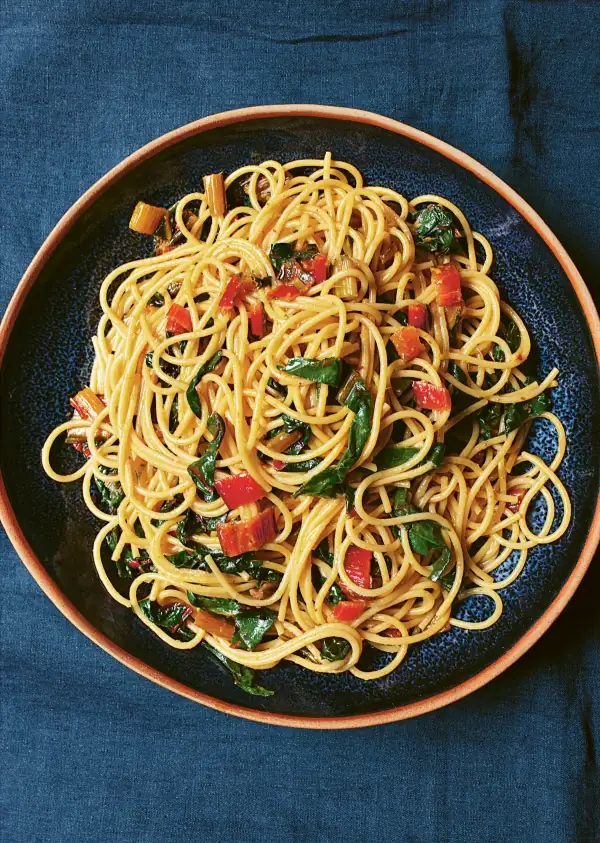
- Pasta sauces: Heat the lecho, add a little olive oil and serve over spaghetti.
- Stewing: Replace some of the tomato sauce with canned lecho when stewing chicken or meatballs.
The key to canning is love and attention to the process. Take your time, let the vegetables simmer thoroughly, and enjoy the taste of summer preserved in jars while a snowstorm rages outside. Your garden bounty, seasoned with onions, carrots, and sunny tomatoes, will turn into a true culinary treasure.