Crispy Masala Kairoli
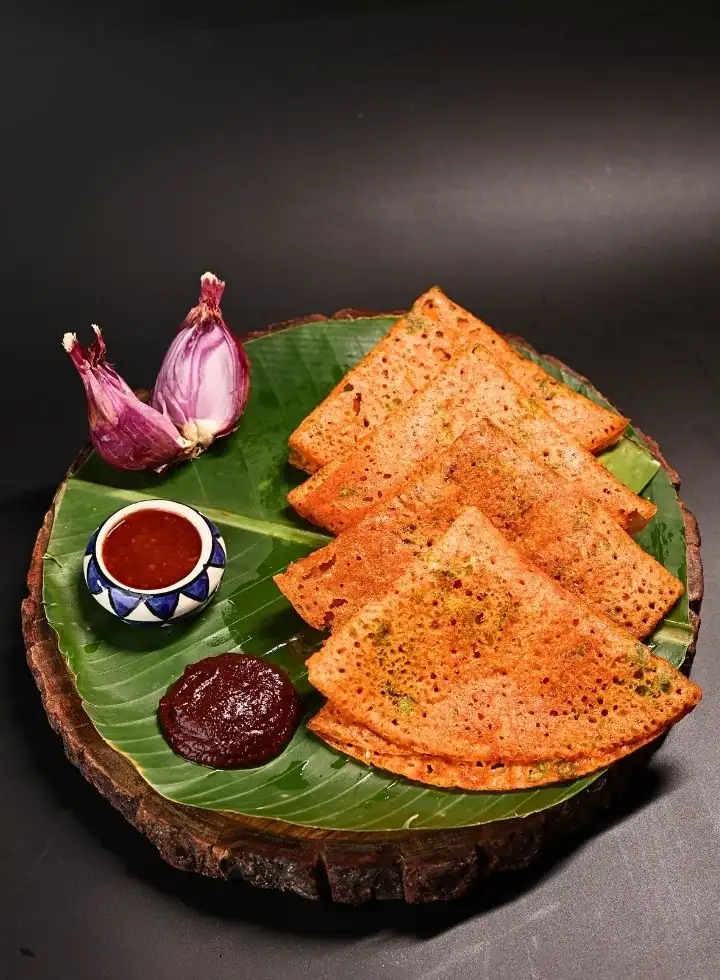
Maharashtrian cuisine features thousands of traditional breakfast dishes beyond standard poha or upma options. This quick recipe combines crisp rice crepes with a digestive kokum chutney. The flavorful chutney keeps well in the refrigerator for up to a month.
Many Maharashtrian households remember grandmothers making thin crepes on heavy iron pans. The batter sizzles as it hits the hot griddle surface. Simple kitchen aromas filled the home during early morning hours. These quick breakfast preparation moments remain vivid in daily routines.
Some Interesting facts about Crispy Masala Kairoli:-
Unlike South Indian dosas, Kairoli and Ghavne use a completely unfermented rice flour batter, making them instantly ready to cook without long overnight prep times. The iconic lace-like net texture comes entirely from pouring a very watery batter onto a piping hot iron griddle—the rapid steam expansion creates natural holes in the crepe. Aamsul (Kokum) chutney isn’t just tasty—it’s a traditional Ayurvedic remedy naturally used in coastal Maharashtra to cool the stomach and prevent morning acidity. Traditional coastal households originally developed these thin rice crepes as a quick, efficient way to use up finely ground surplus rice without wasting fuel or extra ingredients.