The color of wine does not indicate its taste.
The color of wine depends on the winemaking process and contact with the grape skins, so it says little about its flavor.
Faced with a long wine list, the choice can be overwhelming. There are many aspects to consider, such as the grape variety, the region, tasting notes, and the vintage, although there are few hard and fast rules. It all depends on your palate and the flavors you enjoy, not just the appearance. Choosing a wine based on its color is a common mistake, because it rarely reflects its flavor.
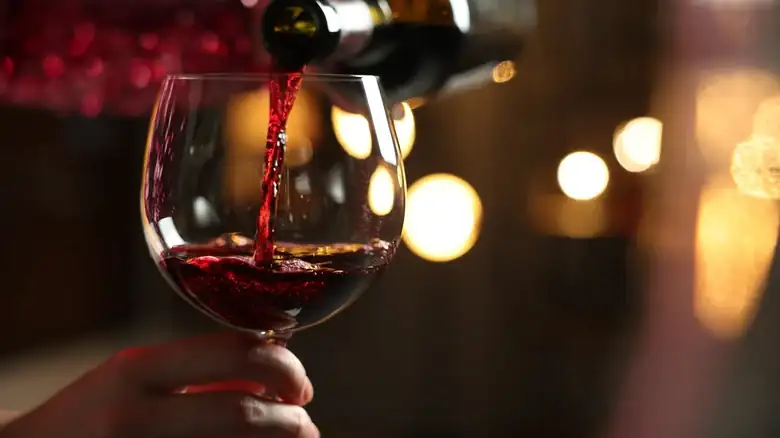
It might seem that color indicates flavor, like orange juice is orange. But the color of wine depends on the winemaking process and the grape skins: the longer they remain in contact with the must, the darker the color. The main difference between red and white wine is that red wine mixes the skins with the must, while white wine separates them before fermentation, the process that converts the must into alcohol. Longer contact intensifies the color, but it doesn't indicate whether the wine is sweet, dry, or spicy; that depends on the tannins and other chemical compounds.
You don't need to be an expert to make an informed choice. A sommelier is the best source of information on tasting notes and food pairings, and can help you choose the variety that best suits your palate. Without a sommelier, it's a good idea to consider whether you prefer sweet or dry wines, fruity wines or wines with earthy notes, and whether you're looking for full-bodied, robust wines, like a rich Cabernet Sauvignon, or lighter wines, like a Pinot Noir or Pinot Grigio.
It's almost always possible to request a tasting glass before deciding. To get the most out of the sample, swirl the glass, which releases aromas that mix with the oxygen. Wine isn't valued solely for its color, label, or price, but for the experience of enjoying it, whether it's red, white, or rosé.