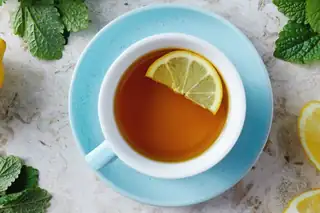
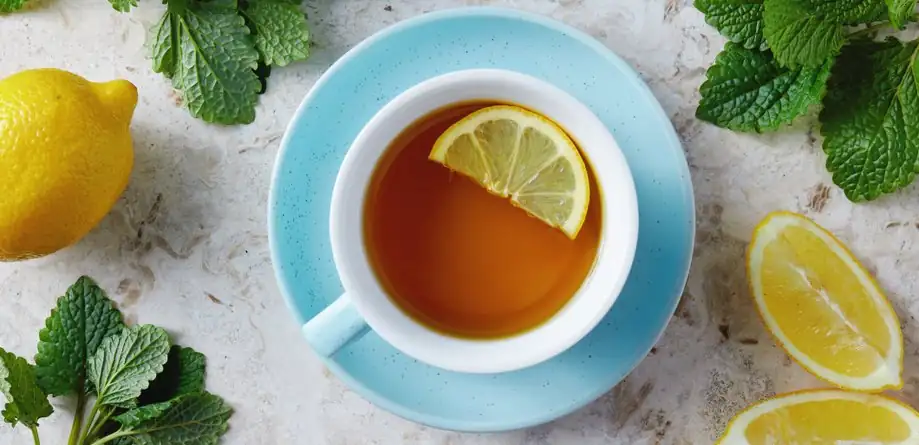
A hot drink can help you cool down in certain hot conditions.
Although it may seem strange, science explains that a hot drink can help you cool down in certain circumstances, thanks to sweating.
At first glance, it seems logical that a cold drink would refresh us and a hot one would make us even hotter. However, the body has a very effective mechanism for regulating temperature: perspiration.
When we drink something hot, the body detects an additional source of heat and may begin to sweat more. As the sweat evaporates from the skin, it dissipates heat and cools us down. Therefore, in certain situations, hot tea can help the body cool down more effectively.
For sweating to work, it's crucial that the sweat evaporates. If the air is dry and there's some circulation, the sweat evaporates quickly and the body cools down effectively. If the air is very humid or we're in a closed room, the sweat remains on the skin and the effect isn't as pronounced. In that case, an iced drink is usually more refreshing than hot tea. Therefore, hot tea isn't a miracle solution for every hot day: its effect depends on the environment.
In many warm countries, the air is often very dry, so sweat evaporates quickly. That's why hot drinks have been a part of daily life for centuries in countries like Morocco, Algeria, and others in the Middle East. Customs also play a role: mint tea is a symbol of hospitality in Morocco and is usually sipped slowly, which helps people drink more fluids throughout the day.
This doesn't mean that cold drinks are a bad option. They provide an immediate cooling sensation in the mouth, throat, and stomach, which is very welcome during the hottest hours of the day. According to experts, the best choices are water, unsweetened teas, water with lemon, mint, or cucumber, electrolyte drinks if there is excessive sweating, and foods with high water content, such as watermelon, melon, or cucumbers.
However, it is advisable to limit the consumption of large amounts of alcohol and very sweet drinks, as these can contribute to dehydration.