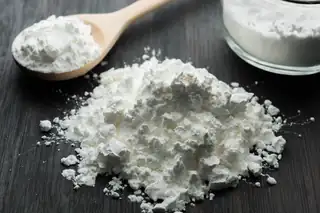
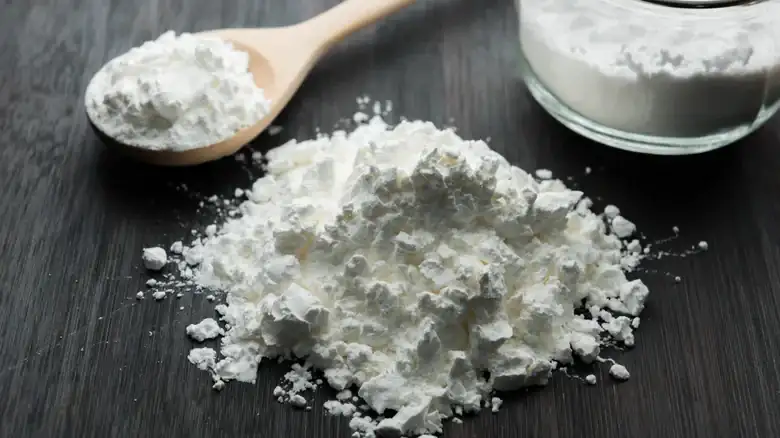
Tapioca is the starch from the root of the cassava plant.
Found in boba tea pearls and many gluten-free products, tapioca is obtained from the starchy liquid of cassava, not from cassava flour.
Among gluten-free alternatives to wheat, tapioca is one of the most popular, according to Eating With Food Allergies. It appears in the ingredient list of some gluten-free products and in tapioca pudding, as well as being the base of boba tea pearls.
According to Healthline, tapioca is the starch extracted from the root of the cassava plant, a tuber that grows underground, similar to a sweet potato but longer, with a rind-like outer layer. This root is processed into flour, pearls, or flakes for various culinary uses.
Once the liquid is extracted and the water evaporated, a fine tapioca powder remains, composed almost exclusively of starch. It is a cereal-free, gluten-free substance with a neutral flavor, used as a wheat substitute in bread, as an ingredient in snacks and desserts, or as a thickener or binder in soups, sauces, and even hamburgers.
Nutritionally, tapioca has little to offer. According to Healthline, it's composed almost entirely of carbohydrates, with 544 calories per cup, and provides hardly any fat, protein, or fiber, leading it to be described as "empty calories." Cassava, on the other hand, is nutritious, and according to Clean Eating Kitchen, tapioca is one of those foods that isn't necessarily bad, but isn't necessarily good either.
For a more nutritious alternative to wheat, the text recommends coconut flour, quinoa, or almonds. For thickening or cooking without added flavor, however, tapioca works well.







