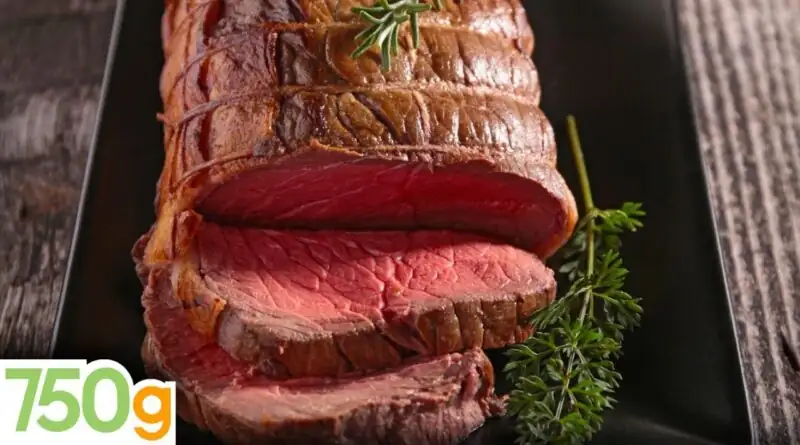
Easy and juicy roast beef recipe to prepare at home
If you're looking for a practical and delicious way to enjoy a meat dish that will stand out on any occasion, this recipe for preparing roast beef at home is just what you need.
What type of meat should I use for a juicy roast beef?
To prepare a melt-in-your-mouth roast beef, selecting the right cut is essential. In Peru, the most recommended cuts for this dish are sirloin, rump roast, or top sirloin tip. These cuts have just the right amount of intramuscular fat, ensuring the meat remains tender and juicy after roasting.
Furthermore, if you want an even tastier result, choose a cut with some fat on the outside, as this will melt during cooking and add juiciness and flavor to the meat. Avoid very lean cuts or those with too much surface fat, as these can turn out dry or overly fatty.
Essential ingredients for a homemade roast beef
Before starting the preparation, make sure you have the following ingredients on hand, which are the pillars to achieve that traditional flavor with a Peruvian touch:
- 1 kg of beef for roast beef (smooth loin or peceto)
- 3 finely chopped garlic cloves
Step-by-step preparation for a perfect roast beef
Making homemade roast beef requires patience and attention to detail. Here's how to do it so you end up with a juicy dish, a golden crust, and a tender interior.
1. Cleaning and initial preparation: Remove the meat from the refrigerator about 30 minutes before cooking to allow it to reach room temperature. This helps ensure even cooking. Then, thoroughly pat the meat dry with paper towels to remove any surface moisture.
2. Basic Marinade: In a bowl, mix the minced garlic, coarse salt, black pepper, rosemary, and ground yellow chili pepper if using. Add a drizzle of oil and balsamic vinegar or lemon juice. This mixture will infuse the meat with an intense and distinctive flavor.
Rub this mixture all over the piece of meat, making sure to coat all sides well. You can let it marinate in the refrigerator for an hour or more to allow the flavors to penetrate, although if you're short on time, 20 minutes will be enough for good results.
3. Searing the meat: Heat a large skillet over high heat with a little oil. When it's very hot, place the meat in the skillet and sear it on all sides, about 2 minutes per side. This step is essential to form a crust that will seal in the juices during baking.
4. Baking: Preheat the oven to 180°C (350°F). Place the seared meat on a baking sheet and put it in the oven. The cooking time will depend on your preferred level of doneness.
- For medium (juicy and pink): 25-30 minutes.
- For medium-well doneness (less pink, more cooked): 35-40 minutes.
- For well cooked: more than 45 minutes.
A trick to know when it's ready is to use a meat thermometer; the ideal internal temperature for medium is approximately 60°C.
5. Resting: Once out of the oven, let the meat rest for 10 to 15 minutes before slicing. This step is key to allowing the juices to redistribute and prevent them from being lost when slicing.
Tips for serving Peruvian-style roast beef
Roast beef is a versatile dish that can be accompanied by a variety of typical Peruvian side dishes that enhance its flavor and texture. Some ideal options include:
- Golden potatoes: boiled potatoes then browned in a pan with garlic and parsley.
- Fresh salad: a mixture of lettuce, tomato, onion and olives, dressed with lemon and oil.
- White rice or Peruvian chaufa: to give the dish a more substantial touch.
- Creole sauce: thinly sliced red onion with yellow chili pepper, lemon and salt, which provides freshness and a slight spiciness.
Variations and tricks to enhance the flavor
If you want to give your roast beef a special twist, you can try some of these ideas that will give it a unique and original touch:
Alternative marinades: Experiment with different herbs and spices like thyme, bay leaf, or even a touch of cumin for a more Peruvian flavor. You can also use dark beer or chicha morada to marinate the meat for a deeper, more aromatic taste.
Slow cooking: If you have the time, you can cook the meat at a low temperature for a longer period, either in the oven or in a slow cooker. This will make the meat extremely tender, almost falling apart, ideal for those who prefer a more tender roast beef.
Use a good knife: When serving, cut the meat into thin slices across the grain to maximize tenderness when eating.
Benefits of preparing roast beef at home
Besides being a tasty and nutritious option, preparing roast beef at home allows you to control the ingredients, avoiding the excess saturated fats and preservatives often found in processed or ready-made meats. Furthermore, you can adjust the salt, spice, and other seasonings to suit your and your family's tastes.
It's also a very versatile dish that suits different occasions: from a family lunch to a special dinner. You can prepare large quantities in advance and keep the meat in the refrigerator for several meals during the week, making your menu practical and delicious.
Common mistakes when preparing roast beef and how to avoid them
To make your dish perfect, avoid these common mistakes:
- Not searing the meat: Skipping the searing step can cause you to lose essential juices, leaving the meat dry.
- Bake without preheating: The oven should be at the correct temperature for even cooking.
- Cut the meat immediately: Cutting without resting causes the juices to escape and the meat to become dry.
- Using inappropriate cuts: Choosing a cut that is too lean or too fatty affects the final texture.
How to store and reheat roast beef without losing flavor
If you have leftover roast beef, don't worry, you can keep it and enjoy it later without losing its juiciness. Store the meat in an airtight container in the refrigerator for up to 3 days. To reheat, it's best to do so at a low temperature in the oven or in a pan with a little broth or water to prevent it from drying out.
Another option is to cut the roast beef into strips and use it in sandwiches, salads or stir-fries, giving it a delicious and practical new use.
Practical conclusion for meat lovers at home
In short, preparing an easy and juicy roast beef at home isn't complicated if you follow these steps and tips. The key is choosing a good cut, seasoning it well, searing the meat, and controlling the baking time to achieve that ideal balance of juiciness and intense flavor. Furthermore, the possibilities for side dishes and variations allow this dish to adapt perfectly to Peruvian cuisine, making it a versatile and delicious option for any occasion.
So don't hesitate to try preparing this classic meat dish at home; you'll surprise everyone with a dish full of flavor, tradition, and lots of love.