Do you really have to hit the watermelon?
Watermelons don't get sweeter after being harvested, so it's important to know how to choose the fruit well before buying it.
The first thing to know explains why choosing a watermelon is so important. Sugar content is primarily formed in the field, and the weather also plays a significant role. For example, a drier period around harvest can result in a sweeter harvest. Watermelons don't accumulate more sugar after being picked, unlike peaches or pears, which can change as they ripen, becoming sweeter and softer.
While harvested watermelons do ripen a little more, this mainly means they soften and then spoil over time. In other words, a moderately sweet watermelon won't get any sweeter just by leaving it on the kitchen counter for a few days.
Tapping really does work, but the tone matters. Everyone's probably familiar with the classic scene: someone stands in front of a bunch of watermelons and taps them one by one. While it might seem a bit comical, experts say it actually makes sense, and is even considered one of the most important clues. Instead of tapping gently, you should tap the watermelon with your open palm and then pay attention to how it resonates. A good watermelon produces a full, resonant sound, similar to a drum. If the tap almost bounces off the fruit, that's a good sign. A dull, muffled sound, on the other hand, can indicate that it's overripe and mushy inside. This is comparable to hitting a deflated basketball.
It's also important not to experiment with just one watermelon: hitting several in succession allows you to quickly distinguish between those with a higher, more defined sound and those with a lower, deeper sound. Generally, it's best to aim for a sound that's balanced between these two extremes.
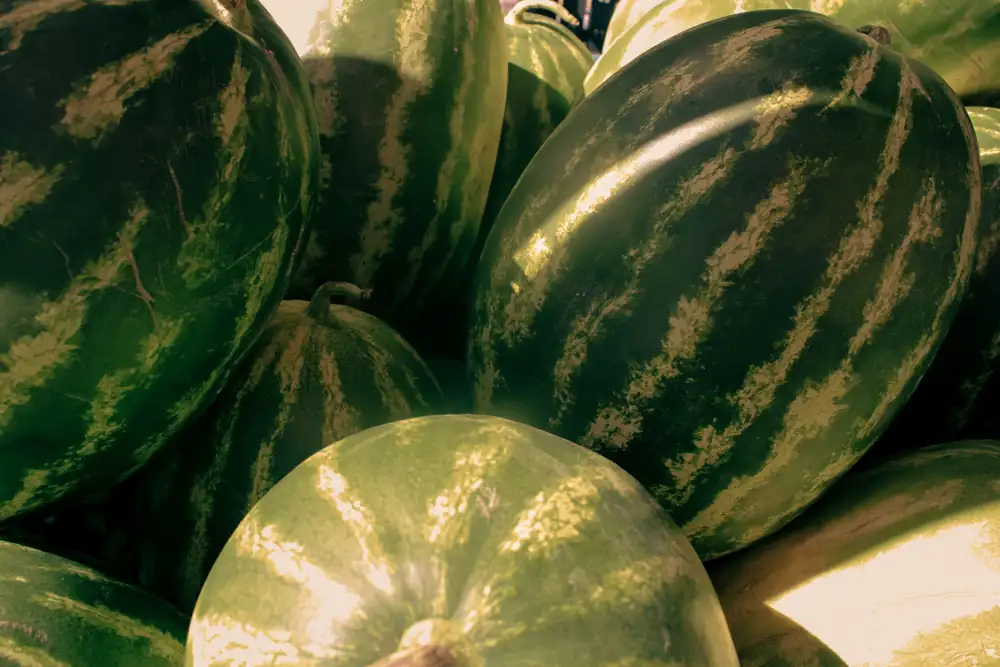
Besides hearing, sight is also crucial: the rind of a ripe watermelon lightens, whether striped or solid-colored, so it's best to look for those with lighter rinds when buying. The so-called "ground spot" at the base can be even more revealing, as the fruit spends a considerable amount of time on the ground during its growth, and this is when a characteristic discoloration develops. The spot is initially white and then turns a creamy yellow as it ripens. Therefore, it's advisable to choose watermelons with a yellow underside, as the ground spot indicates that the fruit has had enough time to ripen properly on the vine.
Once you've selected the watermelon, checked its color, and found the right yellow spot, it's best to cut it quickly. It won't get any sweeter after picking, waiting doesn't offer much benefit, and if it's overripe, it can lose that firm, juicy texture that everyone loves.
The ideal watermelon is juicy, sweet, and crisp, without being too hard or too soft. If you choose one like that, you won't need anything else to enjoy it.
A touch of salt enhances its sweetness, and watermelon's mild flavor makes it an ideal ingredient for salads, drinks, and desserts. Besides the classic feta and watermelon combination, it can also be used to make ice cream, margaritas, spicy Indian chaat, or even a dessert in a glass.







