Nine techniques for perfectly cooked onions
Caramelized onions
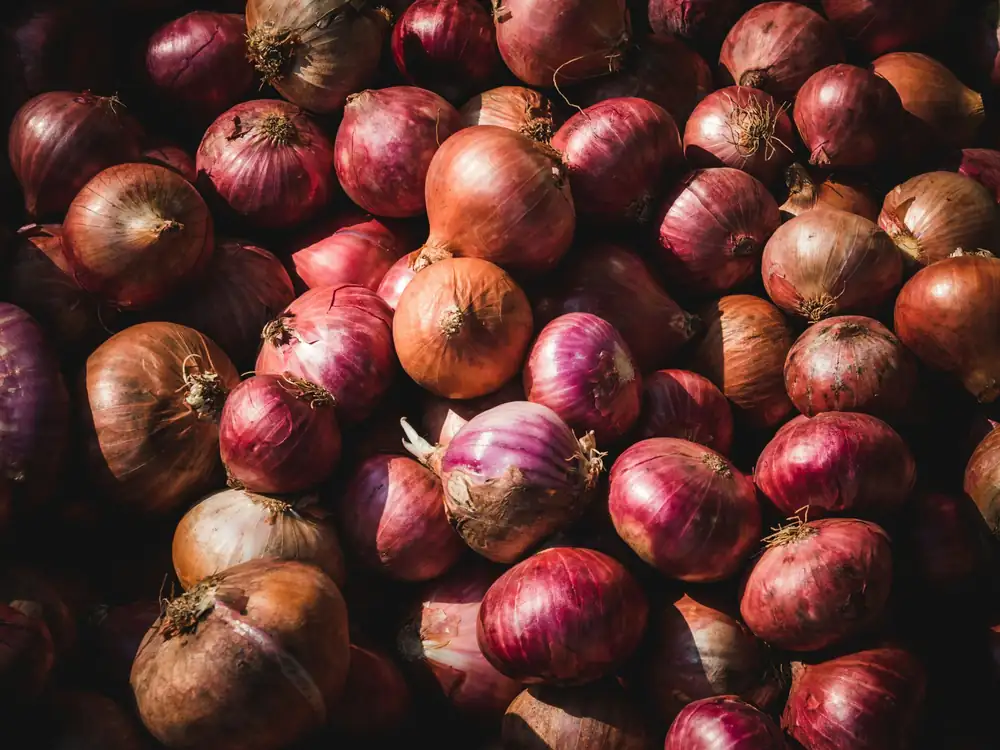
Uses: for omelettes, frittatas, onion tarts, pizzas. Technique: Sauté sliced onions over low heat in a mixture of oil and butter, optionally with a little brown sugar. The goal is to caramelize the natural sugar content over the slow heat, giving the onions a golden brown color and a sweet, intense flavor. Tip: Red onions work especially well for this, as they are richer in color and naturally sweeter.
Sautéed onion
Uses: for pasta, hamburgers, pizzas, single-dish meals. Technique: Thinly slice the onion and fry it in hot oil or butter, over high heat, stirring quickly. The result is a slightly caramelized onion, but still with a distinctive texture. Recommended variety: Shallot, which browns particularly well due to its milder, sweeter flavor and thinner texture.
Fried onion (sliced)
Use: with grilled meats, sausages, steaks. Technique: Cut the onion into pieces and bake in the oven at a medium temperature (approx. 180–200°C) until soft and golden brown. The Maillard reaction that occurs during baking creates a complex, sweet-umami flavor. Recommended variety: Yellow or white onions, the flavor of which deepens with baking.
Sweated onion
Use: for risotto, white sauces, purees. Technique: Simmer the finely chopped onion under a lid, over low heat, in fat (butter or oil), but do not fry it - the goal is to preserve the onion's natural moisture content. Result: translucent, soft texture, mild, sweet aroma. Tip: Simmering with butter results in a silkier taste.
Cooked onion
Use: for vegetables, stews, e.g. boeuf bourguignon. Technique: Place the onion whole (or cut in half) in boiling water and cook until completely soft. Recommended variety: Pearl onions or smaller red or white onions – they cook easily whole and go well with juicy meat dishes.
Grilled onions
Use: as an addition to grilled meats, hamburgers, hot dogs. Technique: Cut the onion into thick rings, brush with a little oil and place on a grill grate. Cook over medium to high heat until lightly charred streaks appear. Result: smoky, caramelized flavor. Recommended variety: Red onions are a particularly good choice, but yellow ones are also excellent.
Whole fried onion
Use: as a garnish for meat dishes, tacos, sandwiches. Technique: Bake the onion, peeled and whole, in the oven (at 180°C for 45–60 minutes) until the skin is blackened and the inside is spreadable. Result: buttery, sweet onions that are excellent for spooning or spreading. Tip: The onion is baked under its own skin – this gives it extra depth of flavor.
Pickled onion
Uses: fish & chips, ploughman's lunches, sandwiches, burritos. Technique: Soak the onions in a vinegar, sugar, and salt marinade for at least a few hours (or even days) until the flavors meld. Recommended variety: Pearl onions or thinly sliced red onions – the latter will have a beautiful color and a pleasantly crunchy texture.
Health benefits
Onions are not only tasty and versatile, but they are also extremely healthy. They are high in antioxidants (especially red onions), which may protect against certain cancers. According to some research, regular onion consumption can: reduce the risk of heart disease, help regulate blood pressure, have a beneficial effect on cholesterol levels, and have an anti-inflammatory effect.