Carioca way: the spirit of Rio de Janeiro (I)
However, almost all the images of Brazilianness that exist in the global collective imagination belong to a very specific place: Rio de Janeiro, with the sole exception, in recent decades, of the Amazon. The quintessential Brazilian identity is that of Carioca, that which springs from the country's former capital.
Rio is a dream destination for millions, a place they dream of visiting at least once in their lives, ideally during the world's most famous carnival. South Americans, Americans, Asians, and Europeans alike consider going to Rio to experience its stunning scenery, dance until dawn, attend a rock concert on the beach with over a million people, or devour the caipirinhas. However, few of its millions of visitors list gastronomy as a primary reason for their trip, at least not yet.
The city of Rio has over six million inhabitants, and its metropolitan area more than thirteen million. It's a melting pot of cultures and races, not a city of separate communities, but of continuous blending visible in its music, language, aesthetics, daily life, and also its food. Indigenous Tupinambá and Guarani people live alongside the descendants of Africans, Portuguese, Italians, Spaniards, and Germans, and there are also large Jewish, Syrian-Lebanese, and Japanese communities. Rio residents are white, black, brown, or indigenous, and their cuisine is an overwhelming diversity, although unfortunately, as we mentioned earlier, it's not yet one of its main tourist attractions.
All the social, ethnic, and cultural expressions that make up the region and the city have adapted to the land and the vast wealth of its produce, giving rise to unique culinary styles found nowhere else in the world, such as the popular bar-restaurants called 'botecos' and the Carioca tapas or 'petiscos'. But also to hearty stews, some of the best feijoadas in the country, and the most traditional Brazilian churrascarias.
The reader will wonder if all these very different culinary manifestations have something in common, I am referring to the bolinhos de bacalhau of Portuguese origin, or the picadinho, pure mestizaje, with the espetinhos, passing through the baurus or boteco sandwiches, the bobó de camao, of African roots and Bahia origin and the açai na tigela, the modern carioca breakfast, the caipirinha or the mate gelado to go to the beach.
It has existed for a very long time, but it is only now that the awareness of 'jeito' is beginning to emerge in the culinary world because its power is being recognized. Furthermore, this unique spirit connects perfectly with the major current trends in international cuisine: more informality, high-quality street food, open gastronomic experiences, sharing and socializing… the playful and the authentic.
In the following articles, we'll analyze how this 'jeito carioca' manifests itself in more than a dozen Rio de Janeiro restaurants of varying styles and market positions. Here's a taste of Rio's diversity.
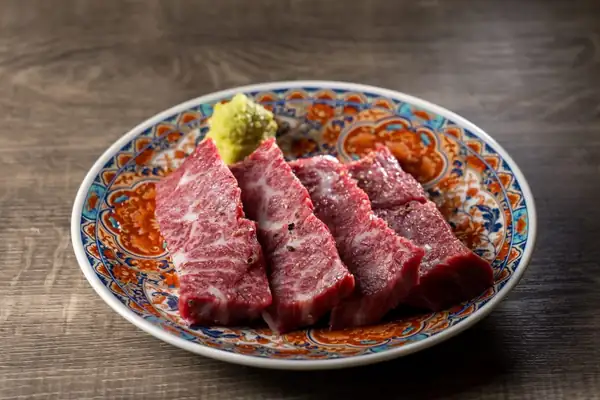
In the Basque Country, a restaurant whose heart is a grill is called an asador; in Texas, a BBQ joint; in Argentina, a parrilla; in Japan, a yakitori; and in South Africa, a braai. In Rio, however, there are three different types: a churrascaria, a rodízio, or a braseiro. The churrascaria, the most gastronomic of all, is a restaurant specializing in grilled meats with prime cuts, where you can order à la carte or from a set menu. The rodízio is often a tourist establishment with all-inclusive service, featuring the typical skewered meats that are passed around the tables in unlimited quantities. The most unique and authentic, and least known to outsiders, is the braseiro, with its simple meats, chicken, offal, and some fish, served with broccoli rice, farofa (toasted cassava flour), and Portuguese bananas and potatoes—just as the locals eat them every day.
The three are different. In all of them, the lively fire prevails, but above all, the 'jeito carioca', this way of understanding the timing of food.