From carasau to cicci: the variety of breads in Sardinia
To understand Sardinia, it's best to start with bread, a simple food that the island has turned into a survival tool, a social symbol, and a ritual language.
In Sardinia, bread was for a long time a practical solution for feeding oneself for weeks away from home, without refrigerators, roads, or access to supplies. The island's agro-pastoral culture transformed it into a kind of empirical science, with its own bread-making grammar, featuring regional, seasonal, and social variations.
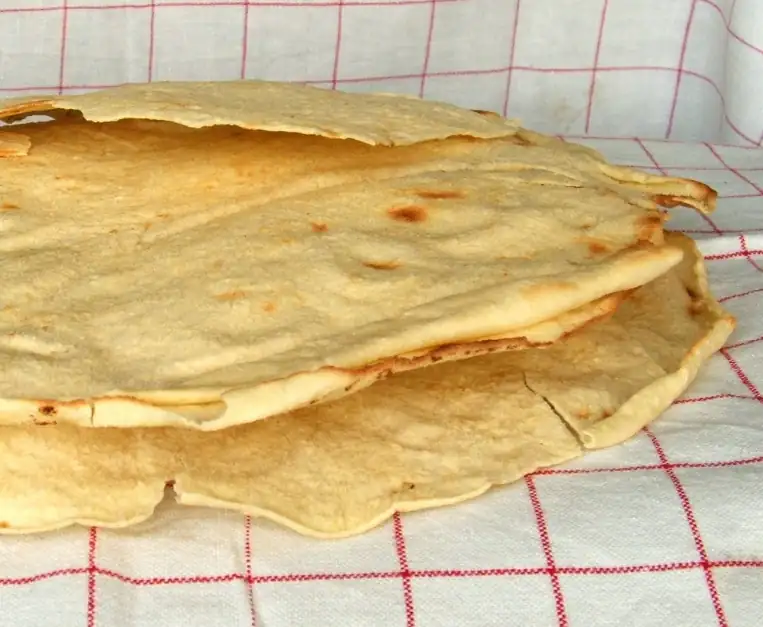
Within this culinary tradition, flatbreads occupy a central place. Carasau, guttiau, pistoccu, frattau, lentu, spianata, zichi, and cicci are not merely decorative variations, but rather solutions for preserving, transporting, and sharing bread. Each thickness and degree of baking serves a specific purpose. Few regions can boast so many varieties of bread, all of them delicious.
Carasau is the quintessential functional bread, typical of the Barbagia region, where transhumance required weeks of migration away from their villages. It is one of the oldest Mediterranean breads still made today. The dough is rolled out into discs and baked until it puffs up, then cut in half and baked again for the "carasadura," a second baking that dries it completely. The result is a sheet about a millimeter thick, crisp and light, which keeps for months. Its appearance has earned it the nickname "musical paper."
Guttiau is a variant of carasau, not a different type. It's made by seasoning pane lentu (bread left over after its first baking) with extra virgin olive oil and salt, and then toasting it again. Traditionally, it was heated over the embers of the fireplace to restore its crisp texture. Over time, it became the bread of choice for celebrations and special occasions.
Among the other breads, pistoccu, typical of Ogliastra, is thicker, three or four millimeters, and is also baked twice, resulting in a firmer texture. It is usually eaten soaked, as the base of a meal. Frattau is not a type of bread, but rather one of the most famous uses of carasau: layers of soaked bread, tomato sauce, pecorino cheese, and egg. Pane lentu, also called modde or fino, is carasau before the second baking: soft, elastic, and perishable, it is eaten immediately, like a piadina or pita.
Spianata, originating from the Ozieri area, is a fermented flatbread that puffs up when baked, forming a central cavity, similar to pita bread. Zichi, typical of Logudoro and Mejlogu, is a large, thin, round loaf that is sold puffed up like a pillow and was traditionally used as a substitute for pasta in first courses. Cicci, or Desulo bread, is smaller, golden brown, and about one centimeter thick, with a slightly firmer texture suitable for everyday consumption.