Pierogi y ravioles: las diferencias entre dos platos de masa rellena
Casi todas las culturas tienen su masa rellena, pero los pierogi y los ravioles se distinguen sobre todo por el relleno y la masa.
Empanadas, gyozas, samosas, wontons, pierogi, or ravioli: filled dough appears in almost every cuisine. Among them all, pierogi and ravioli have much in common, because both begin with a dough made from flour that is rolled out and filled.
Pierogi originated in Eastern Europe, particularly Poland and Ukraine, while ravioli are Italian. Pierogi are semicircular in shape, while ravioli are typically round or square. Both dishes are centuries old and remain important parts of their respective cuisines. The fundamental difference lies in the filling.
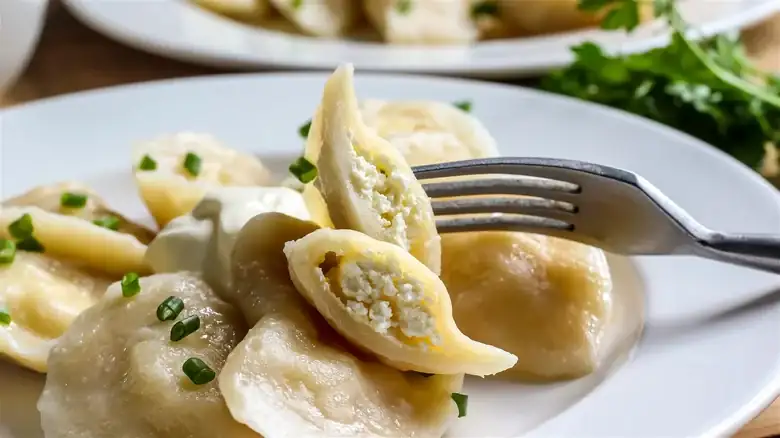
Unlike ravioli, pierogi typically have a filling of mashed potatoes with cheese, often served with sour cream, either on top or as a secret ingredient in the mashed potatoes. The cheese makes another difference: pierogi taste best with strong cheeses like cheddar, and are traditionally made with twaróg, a tangy, creamy Polish farm cheese that pairs well with both sweet and savory ingredients. Some are filled with fruit, such as blueberries, resulting in a sort of dessert pastry. Other common fillings include onions, minced meat (often pork), mushrooms, and cabbage.
The dough also changes. Instead of egg, Polish cooks often make it with just oil, water, salt, and flour, then fold and seal it by hand or with a fork to enclose the filling. Furthermore, pierogi are often fried, not just boiled, which makes them similar to Chinese dumplings.
Ravioli are made with the same dough as most Italian pasta, a mixture of egg and flour, which is filled, sealed, and cut with a pasta cutter to create their characteristic edges. The filling is usually cheese, with Mediterranean ingredients such as tomato, spinach, mushrooms, and sometimes meat. Unlike pierogi, they use milder cheeses like ricotta, Parmesan, mozzarella, or provolone. They are almost always served boiled and rarely fried.
Pumpkin ravioli pairs well with butter sauce, while cream or tomato sauce is ideal for spinach and ricotta ravioli. Older recipes suggested serving them in broth, before tomatoes arrived in Italy.
Although they sometimes appear almost identical, both dishes reflect the flavors and techniques of their cultures.