
El momento de añadir las hierbas frescas cambia el sabor del plato
Las hierbas frescas aportan un toque ácido y refrescante, o notas dulces y florales, pero su sabor depende de cuándo se añaden a la cocción.
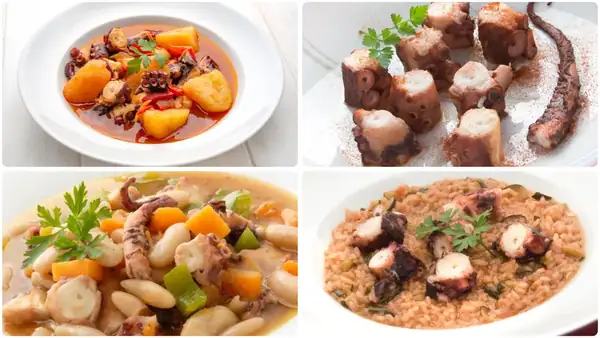
There are well-known herbs, such as cilantro and basil, and it's not always easy to know when to use them. A common mistake is the cooking time, because heat greatly affects the flavor. Therefore, it's usually best to add chopped herbs at the end, as a garnish with vibrant flavor and color. This helps preserve their delicate oils and complex nuances.
Not all fresh herbs should be added at the end. The firmer the herb, the faster it integrates into the cooking process. Woody rosemary not only withstands the heat but enhances it, as in rosemary and garlic roasted potatoes or grilled meat. Thyme works similarly and blends well into roasts, stews, and broths.
Dill can also be added to broths, but it's delicate and best incorporated at the end to enhance its aroma in a soup. Basil, on the other hand, usually ends up in a pesto that's then combined with pasta, so its fresh flavor is enjoyed in a different way. Cilantro, parsley, and mint are mainly used in intensely flavored sauces, so it's a good idea to consult specific recipes to make the most of them.