
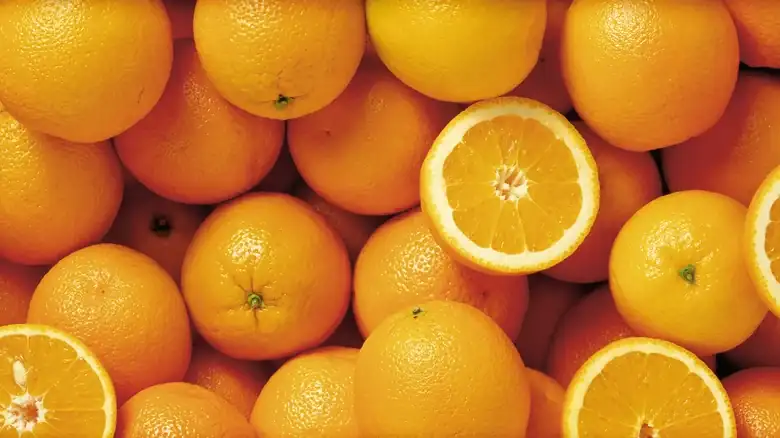
What is the pith, that white, spongy part of peeled oranges?
That white, fibrous membrane that remains between your teeth when you eat an orange is called the pith, and it's more interesting than it seems.
The pith is the connective tissue of the orange: a network of fibers that binds the pulp to the shiny peel. It is completely safe to eat, and although it is somewhat bland and more chewy than anything else, it is not a worthless part. Lemons, limes, and other citrus fruits also have pith.
Most of the time it's discarded along with the peel, but it's rich in fiber and contains a surprisingly high amount of vitamin C, almost as much as a whole orange. It also has various flavonoids which, according to the American Heart Association, can improve blood vessel health and reduce inflammation.
According to Dr. Andrew Weil, other flavonoids in the marrow may have antioxidant properties and even help reduce carbohydrate absorption in the intestinal tract. It's best eaten with fruit, not only for the combined vitamins and minerals, but also because it's much easier to enjoy that way.
The peel also contains nutrients, such as fiber, plant compounds, and vitamin C: one tablespoon of peel provides 14% of the recommended daily intake of vitamin C. However, the main obstacle is how to consume it correctly.
It's best to start slowly. You can chop it into very small pieces for smoothies or salads, or make a candied treat. Eating it raw all at once could upset your stomach, so it's best to start in moderation.







