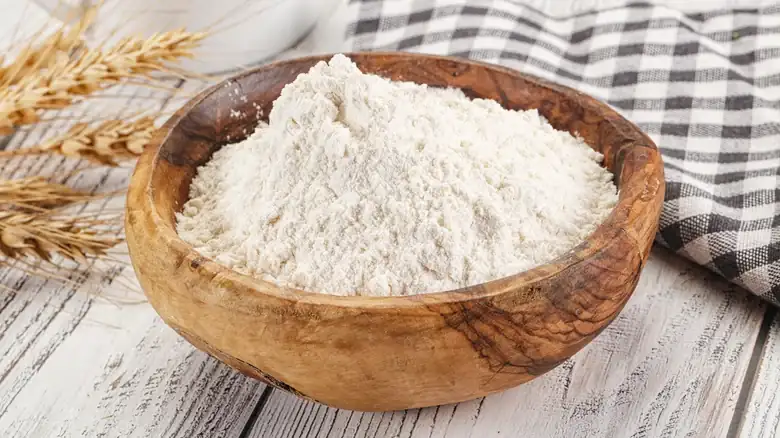
Harina blanqueada vs. harina sin blanquear: ¿Cuál es la diferencia al hornear pasteles?
Harina es harina, ¿verdad? No tan rápido. El tipo de harina que uses puede marcar la diferencia entre un pastel delicioso y un desastre total. No todas las recetas requieren harina para pasteles. Muchas veces, se puede usar harina común. Aun así, es importante elegir el tipo adecuado.
Flour is flour, right? Not so fast. The type of flour you use can make the difference between a delicious cake and a total disaster. Not all recipes call for cake flour. Often, all-purpose flour will do. Even so, choosing the right kind is important. Even something as seemingly insignificant as whether the flour is bleached or not can affect the outcome.
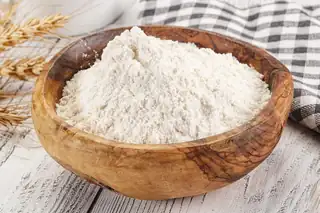
Why is this important? It all comes down to how refined wheat flour is treated after the milling process. According to Sandy Folsom, director of Wilton Sweet Studio, "bleached flour is all-purpose flour treated with chemicals to speed up the ripening process; it's whiter, shinier, and finer than its unbleached counterpart and is ideal for baking because it has a softer texture."
All flour sold in stores undergoes a maturation process, a period that allows the product to rest and oxidize. Oxidation whitens the flour. Bleaching alters the absorption capacity, pH, and flavor of refined flour.
How does bleaching (or not bleaching) flour affect cakes?
In short, bleaching flour improves baking results. The chemicals give the flour a finer texture and make cakes fluffier. Bleached flour is perfect for cakes with a delicate structure, such as angel food cake, a berry sponge cake, or this light and airy Chantilly cake.
With consumers increasingly seeking natural or organic products, why is flour still being bleached? Because the primary goal of commercial millers is to sell their products. Bleached flour is ready for shipment to stores much faster than if it were allowed to mature naturally. This natural maturation process can take anywhere from a few weeks to a month. Because of this extended maturation time, unbleached flour is more expensive.
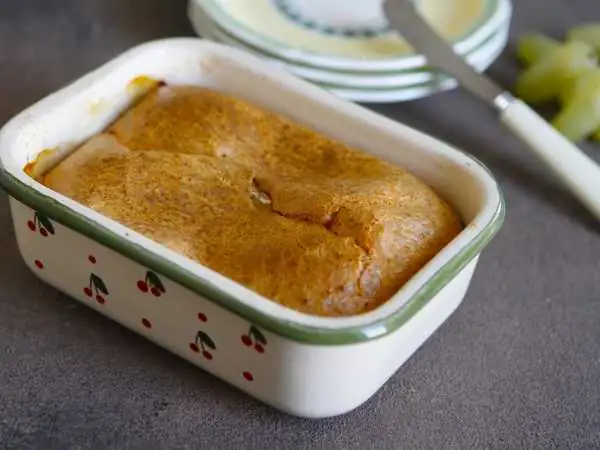
Why would a baker choose a more expensive ingredient? If they're making a cheesecake, like this ricotta dessert, unbleached flour would be a good choice. Folsom explains: "Unbleached flour has been naturally aged and has an off-white color and a denser texture. It's generally ideal for breads and cakes, although both flours can be used interchangeably without much noticeable difference."