A simple storage mistake is ruining the freshness of your cake
Cakes are enjoyed year-round, sweetening birthday parties, anniversaries, and other celebrations. Whether you bake a cake from a ready-made mix—with a few special touches—or a homemade sponge cake like Mary Berry, knowing how to store it to keep it fresh is essential.
This also applies when trying to store unfrosted cake layers. Storing them in the refrigerator can dry them out, as the cold air can cause the starch in the crumb to crystallize. Additionally, the humidity in the refrigerator also draws moisture from the cake. However, storing a whole, uncut, frosted cake in the refrigerator will not affect its moisture content, as the frosting acts as a protective barrier.
Most cakes can be left out of the refrigerator, unless you live in a very hot area with poor ventilation in the kitchen (temperatures above 24°C). Cakes with fresh fruit in the filling or decoration, as well as those with cream cheese frosting or whipped cream, should be refrigerated. Other cakes can be kept at room temperature for four or five days without spoiling. To further protect the cake, you can cover the exposed part with frosting or plastic wrap before storing it, thus reducing its exposure to air.
When should you refrigerate your cake?
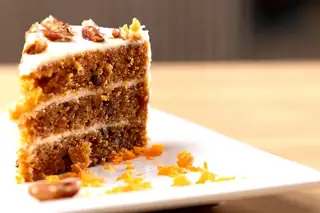
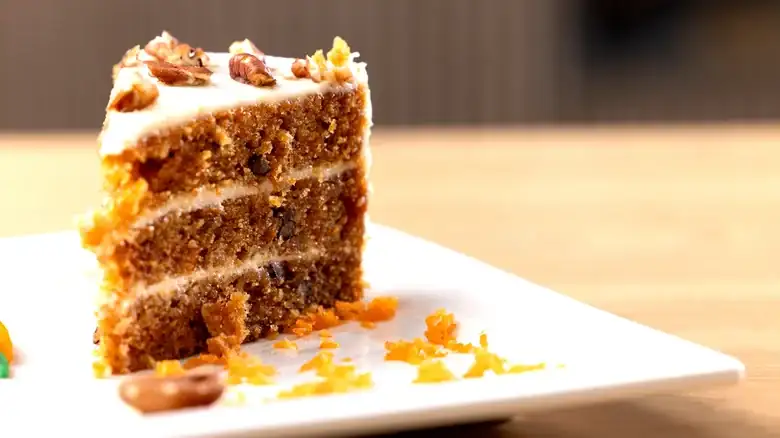
While most cakes don't need refrigeration, some do. Cheesecake, for example, should always be kept in the refrigerator, as its dairy ingredients are perishable and will spoil if left at room temperature for too long. The same applies to cakes with whipped cream or cream cheese frosting. So, if you make a strawberry shortcake, a carrot cake with cream cheese frosting, or a classic vanilla cake with mascarpone frosting, these desserts should be refrigerated after serving.
In addition, cakes that incorporate fresh fruit should also be refrigerated. However, if the fruit is baked inside the cake, it's fine to leave it at room temperature, as long as it meets the other requirements. To properly refrigerate a cake, wrap it in plastic wrap or aluminum foil before storing it. If you want to protect the frosting design, place the cake in the refrigerator uncovered until the frosting hardens before wrapping it.
Finally, you can also freeze cakes. Many people do this to preserve individual portions and satisfy a last-minute sweet craving or to celebrate special occasions, such as weddings. Cakes can be frozen for three to four months if stored properly. Portions should be covered with several layers of ice or plastic wrap to prevent freezer burn. All cakes can be frozen; however, those that require refrigeration (such as cheesecake) should be thawed in the refrigerator. Others can be thawed at room temperature.