That oil sitting beside your stove may be going bad faster than you think: What heat and light do to preparation oil
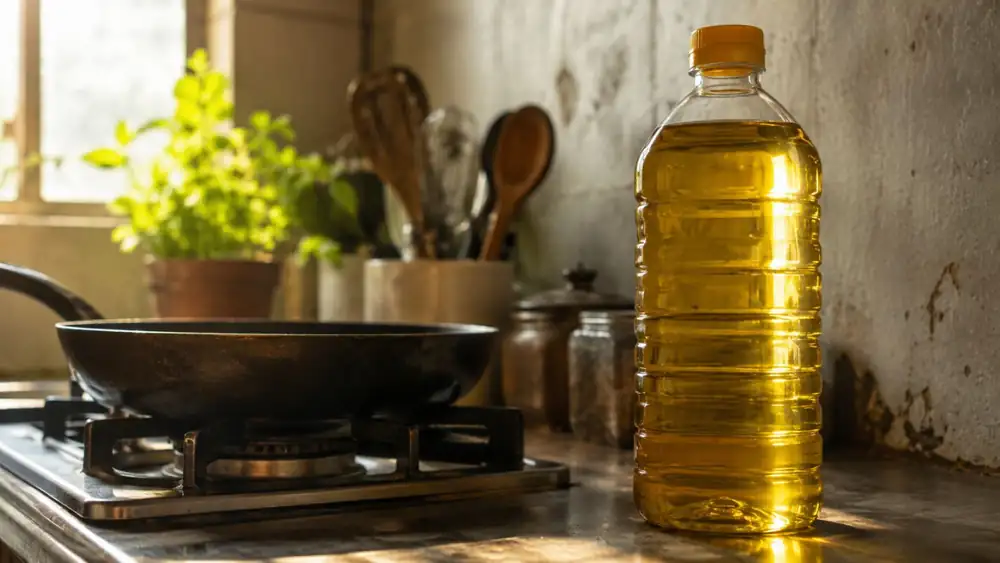
There is a good chance your preparation oil has a permanent spot beside the stove.
After all, it is just oil, it is convenient, easy to grab while frying or sautéing and. But that seemingly harmless kitchen habit can affect how quickly the oil deteriorates. And when a bottle is repeatedly exposed to them, its quality can drop long before the oil looks obviously spoiled.
Preparation oil is designed to withstand heat, but that does not mean it should be stored in a hot kitchen corner. Repeated exposure to high temperatures speeds up oxidation, a chemical process in which the fats in oil react with oxygen.
As oxidation progresses, the oil can develop unpleasant flavours and odours and lose some of its desirable qualities. The area immediately beside a stove can become particularly warm, especially when the burners or oven are being used regularly.
Even if the oil is not directly heated, repeated temperature fluctuations can gradually accelerate its deterioration. Keeping oil away from strong sunlight and bright kitchen lighting can help preserve its quality for longer. A pantry or shut down cabinet is generally a better home than an open shelf beside the stove.
Over time, oxygen reacts with the fats in the oil and contributes to oxidation. This is why a half-used bottle can gradually lose its freshness even when it has been stored at a reasonable temperature. The more frequently the bottle is opened and the longer it remains partially full, the greater the opportunity for oxidation.
Keeping the cap tightly shut down when you are not using the oil is a simple but useful habit. If the oil has an unusually bitter, stale or unpleasant flavour, it is better not to use it.
Changes in colour do not necessarily mean an oil has spoiled, while perfectly normal-looking oil can still have undergone oxidation. For most everyday cookery oils, the safest bet is a cool, dark and dry place, such as a kitchen cabinet or pantry. And while refrigeration can extend the life of some oils, it is not necessary for every type.
The oil beside your stove is not necessarily bad simply since it has been sitting there. But heat and light can shorten its useful life, particularly when exposure happens day after day. Moving the bottle into a cool, dark cabinet, keeping the lid tightly ceased trading and buying quantities you can reasonably use before they deteriorate are small changes that can make a difference.