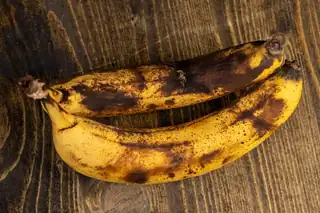
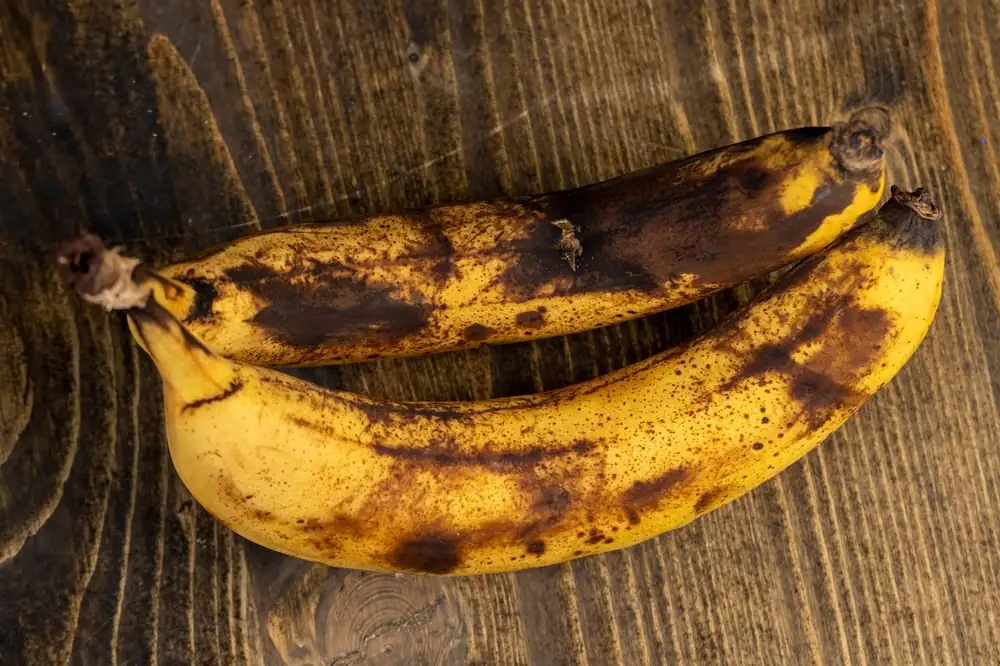
Bananas quickly turn brown and mushy when stored in a common area of the kitchen.
Bananas are a popular fruit, but they can be difficult to store properly.
Bananas are a popular fruit, but they can be tricky to store properly. A food expert has shared a simple tip to help keep them fresh longer and prevent them from turning brown and mushy.
Bananas are a much-loved fruit, but keeping them fresh can be quite a challenge; that's why many people are constantly searching for suitable storage methods. However, what you may not know is that following a basic food preservation principle can make a big difference, as a common mistake causes the fruit to turn brown and soften quickly.
A food expert has revealed that storing bananas in a specific place in the kitchen could be causing a problem you're unaware of. According to experts, where bananas are stored is crucial to ensuring they stay fresh and in optimal condition for eating and cooking.
This isn't the only recommendation that has recently emerged on the subject. It was previously suggested that bananas can stay fresh longer if stored in a specific place.
The mistake to avoid
Mimi Morley, senior recipe development manager at HelloFresh, shared an essential tip on how to store bananas. She explained that it's common to make mistakes that can cause the fruit to ripen much faster than necessary.
She said, "To prevent bananas from ripening too quickly, keep them away from other fruits, direct sunlight, and heat. Bananas release a ripening hormone called ethylene, and fruits like apples, pears, and avocados are especially good at both producing and absorbing it, so keeping them separate prevents that ripening effect from being passed on."
"Heat also speeds up the process, so it's worth remembering that a hot kitchen countertop will make bananas ripen much faster than you'd expect."
Bananas ripen at their natural rate when left on a work surface at room temperature, much faster than if stored in a cooler place. Room temperature accelerates the ripening process, converting internal starches into sugars.
Therefore, they should never be placed near excessively warm areas. While this is a common practice in many kitchens, it should be avoided if you want to preserve their freshness for longer.
As Mimi pointed out, it's equally crucial to keep them separate from other fruits. Placing bananas next to other ethylene-producing fruits, such as apples, pears, or avocados, on the countertop will cause them to ripen even faster.
If you want to extend their shelf life, avoid storing them in a fruit bowl with other products. This seemingly harmless mistake can lead to unnecessary waste.
Do they belong in the refrigerator?
While Mimi didn't address this issue, others have already offered advice. As a general rule, bananas should only be refrigerated once they are fully ripe.
The cold environment prevents green or firm bananas from ripening properly, but effectively extends the shelf life of yellow bananas. Although the peel may darken to black, the flesh inside should remain perfectly edible.
Once they reach the desired sweetness and softness, refrigerate them. The low temperature will slow down their deterioration, allowing you to enjoy them for several more days.
For those who prefer sliced bananas, they can also be stored in the refrigerator in an airtight container. There are several helpful tips to keep in mind.
The key, however, is to keep them away from heat, direct sunlight, and fruit bowls. Following these recommendations will help preserve their freshness for longer.







