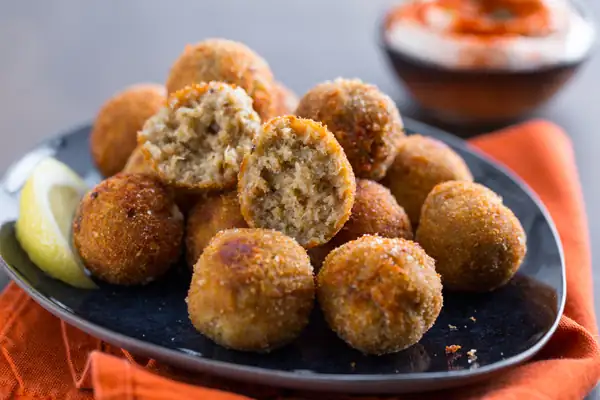
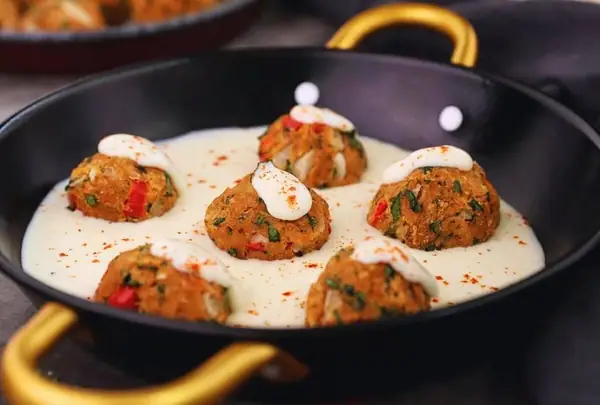
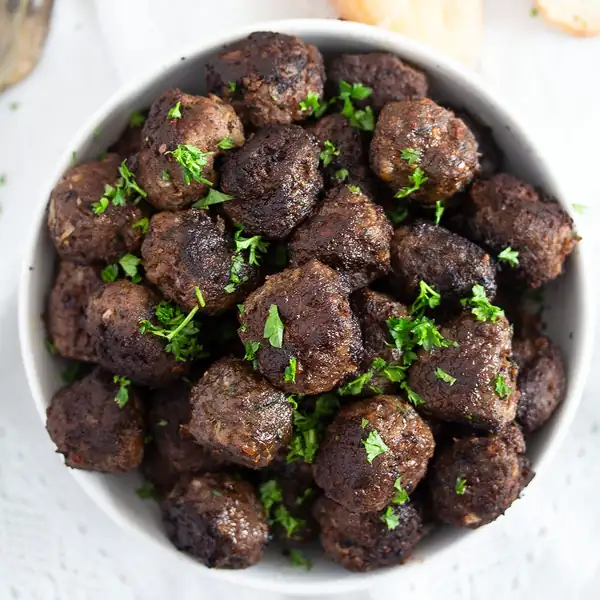
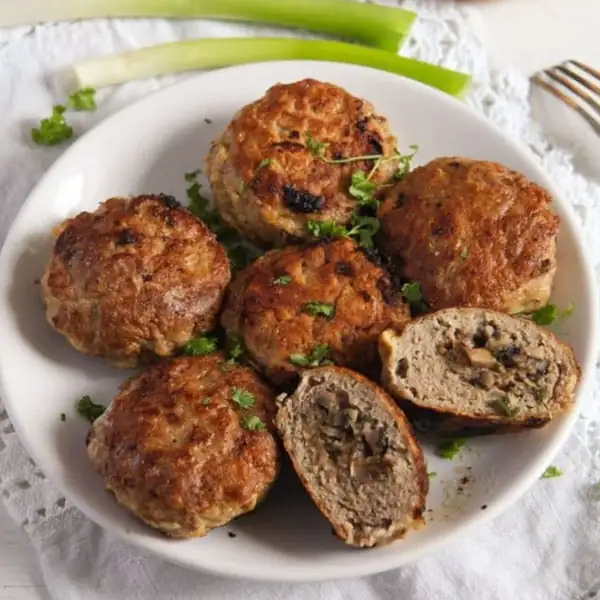
How to make the best meatballs. The perfect meatball recipe
Recently, while talking with Enri, my editor and friend at Larousse, he told me that he is a big fan of meatballs, one of the meat recipes he prepares most often at home and that is a hit with his children.
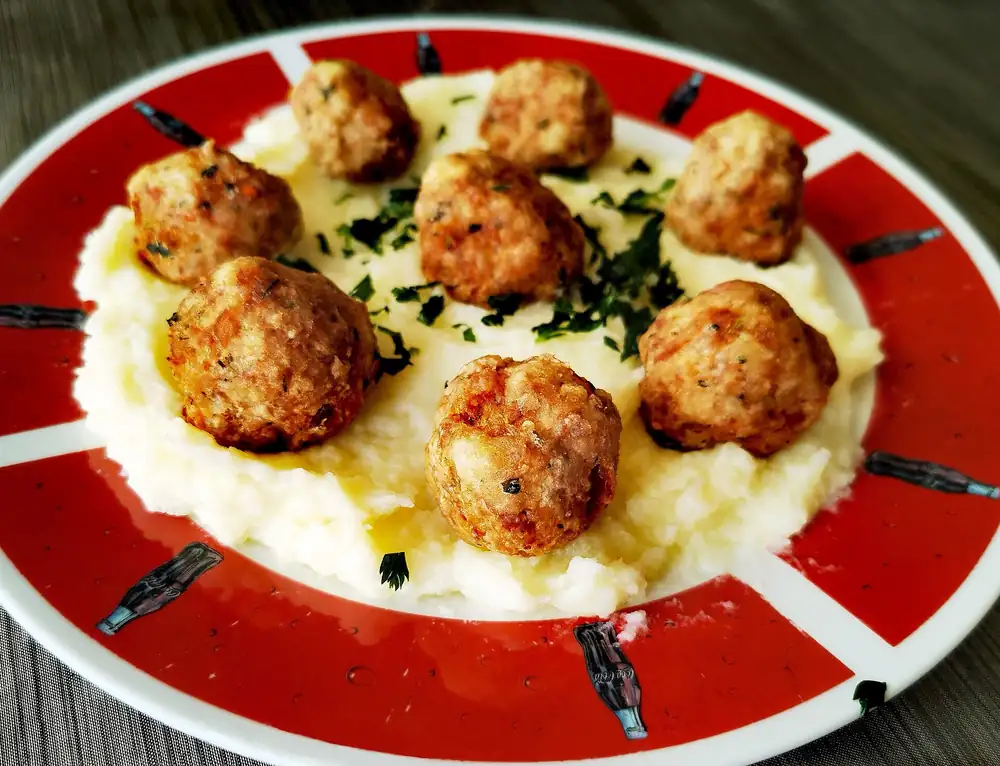
Meatballs are considered the quintessential home-cooked dish; they deserve to be elevated to a pedestal and prepared with the respect and dignity they deserve. That's why, after writing several emails answering questions about them, I've decided to write about how to prepare my perfect meatball, very similar to the one my mother taught me, but with touches I've picked up here and there.
After reading my tips, you'll be able to distinguish the quality of the meatballs they put on your plate and certainly surprise your grandmother with the ones you prepare yourselves.
- 10 tips for a delicious meatball
- Where can you find the best meatballs in Spain?
- Tips and tricks from our community
10 tips for a delicious meatball
- 1. The base of our meatball
Meatballs aren't a recipe for using up leftovers from other dishes; no cheap meat or fish, and no lots of sauce to mask flavors. Use quality ingredients, at least decent cuts, and ideally pieces that your trusted butcher or fishmonger will only grind once—no pink, mushy, over-ground meat.
The more finely ground the meat, the more compact and firm the meatball will be. And while meatballs are the most well-known, they're surprisingly not the most popular on the blog.
The most popular dish is the cod meatballs, and of course, we want to mince the fish just enough; we want to find cod inside, not just sense it. So, fish, seafood, or vegetable balls are a great option.
- 2. What if they're made of meat?
If you use meat, it must be freshly chopped or ground, preferably very finely minced, and never frozen and thawed, as it will lose many of its nutrients and some of its flavor. Not just any meat will do for meatballs, especially if they are cooked with sauce. It's best to choose cuts with a decent fat content; the ideal mix would be three parts beef and one part pork, resulting in more flavorful meatballs.
It's a recommendation, though not strictly necessary. Remember that not just any meat will do, although chicken is another option for keeping them juicy. Always use top-quality ingredients, and you'll be hard-pressed to go wrong.
- 3. What do we use to bind the meat? Binders
To prevent a meatball from falling apart during cooking, it needs edible glue: the fat and moisture from the egg yolk. However, if you're intolerant to eggs, there's a solution, as you'll see in our egg-free meatball recipes.
- 4. Is bread necessary in a meatball?
Another essential element is the combination of bread (gluten-free if you're celiac) soaked in milk or broth, crucial for a good meatball. Bread soaked in milk is a fundamental ingredient for achieving a perfect meatball, as the dairy softens the meat and the breadcrumbs provide texture. You can substitute reduced broth for the milk as a flavor enhancer, whether it's meat or fish, but my first choice is to soak the bread in milk.
When we use only flour or breadcrumbs (many of you, I know from your emails, do), the meatball will tend to be hard and dry as a rock, so it's not a great idea.
- 5. Add your own touch. Spices and flavorings
A meatball without a little zest isn't a meatball, and for that, it's essential to add more flavor with our friends the spices. The most commonly used are a touch of garlic, salt, and black or white pepper; this trio is enough, but we can also add thyme, parsley, rosemary, and oregano.
Of course, you can use any spices you like, as long as they go well with the other ingredients. You can also add spices to the broth or stew you'll be cooking the meatballs in, regardless of whether you've already spiced the meatballs themselves.
- 6. Kneading and shaping the balls
The mixture will be softer the less you knead it; ideally, use a good spatula to combine all the ingredients in the bowl. This technique helps the fat stay inside the meatballs and also allows the meat proteins to bind better, preventing the meatballs from cracking when frying. To form the balls, it's best to shape them with your hands—yes, your hands, not spoons like you would for croquettes.
It's meat, and you can wash your hands. It's best to moisten them occasionally so that too much doesn't stick to your hands and you don't have to throw any away. The resulting mixture should be more wet than dry.
Remember that if the dough we start with is too dry, it will dry out even more during baking.
- 7. What shape and size should a meatball be?
It all depends, as the song goes. The appeal of meatballs lies in their flavor, their tender and juicy texture, and of course, their size, which always matters (don't be fooled). The ideal size is bite-sized, making them easier to incorporate into any dish or serve on their own, to store and freeze, and to modify as we please.
The meatballs have to be spherical, of a small size (if they are very large they are called "big balls"), they must maintain their shape at all times, otherwise something is wrong (reread the previous steps).
- 8. What should the batter be like?
For most meatballs, a light coating of just flour or cornstarch is recommended if you're gluten-free, as it helps them keep their shape. The coating acts as a binder and gives the mixture elasticity thanks to its gluten content, although I've tried it with flours like corn, chickpea, or soy, and the results are also excellent.
- 9. Cooking: Pan or oven?
The meatballs must be thoroughly cooked; otherwise, they will release blood into the sauce, giving it an unpleasant taste and compromising its quality. It's best to fry them over medium heat, not high, so they don't burn on the outside and remain raw on the inside.
While frying isn't essential for good meatballs, baking them is a great option and helps make them lighter. In any case, the key is not to overcook them: a quick fry followed by a short braise/bake (around 30 minutes) at a gentle temperature makes all the difference.
- 10. Meatballs are always better in sauce
There are hundreds of stews that can include meatballs, and hundreds of variations of these, although the most popular and successful ones on the blog are the following. With sauce, whether Spanish, onion, or the classic tomato sauce, their enhancing effect complements and helps give them the perfect touch.
On the blog, you'll find meatball recipes with exotic flavors like coconut milk and curry sauce, the famous green sauce with parsley, or marinara sauce (for fish), as part of a stew, broth, or soup, alongside spaghetti, on their own, pan-fried, or grilled… as you can see, there are plenty of options to keep things interesting. My recommendation is to serve them in sauce with some white rice or French fries, but it's up to you.
Recently, while talking with Enri, my editor and friend at Larousse, he mentioned that he's a huge fan of meatballs, one of the meat dishes he makes most often at home and a huge hit with his children. Meatballs are considered the quintessential home-cooked dish; they deserve to be celebrated and prepared with the respect and dignity they deserve.
That's why, after writing several emails answering questions about them, I've decided to write about how to prepare my perfect meatball, very similar to the one my mother taught me, but with touches I've picked up here and there. After reading my tips, you'll be able to distinguish the quality of the meatball on your plate and, of course, impress your grandmother with the ones you make yourselves.
- 10 tips for a delicious meatball
- Essential meatball recipes
- Where can you find the best meatballs in Spain?
- Tips and tricks from our community
10 tips for a delicious meatball
- 1. The base of our meatball
Meatballs are not a recipe for using up leftovers from other recipes; there's no question about using bad meat or fish, and lots of sauce to mask flavors.
Use quality meat, at least decent quality, and ideally pieces that your trusted butcher or fishmonger will only grind once—nothing like that pink, pureed, extra-fine meat. The more finely ground the meat, the more compact and firm the ball will be.
The most well-known meatballs are made with meat, although curiously they aren't the most popular on the blog. The most visits come from the cod meatballs, and of course, we're only mincing the fish; we want to find cod inside, not just sense it.
So fish, seafood or vegetable balls are a great option.
- 2. What if they're made of meat?
If you use meat, it must be freshly chopped or ground, preferably very finely chopped, and never frozen and thawed, as it will lose many of its nutrients and some of its flavor. Not just any meat will do for meatballs, especially if they are cooked with sauce.
It's best to choose cuts of meat with a decent fat content; the ideal mix would be three parts beef to one part pork for tastier meatballs. This is a recommendation, though not strictly necessary. Remember that not just any meat will do, although chicken is another option for keeping them juicy.
Always use top-quality products and it will be difficult for them to turn out badly.
- 3. What do we use to bind the meat? Binders
To prevent a meatball from falling apart during cooking, it needs edible glue: the fat and moisture from the egg yolk. However, if you're intolerant to eggs, there's a solution, as you'll see in our egg-free meatball recipes.
- 4. Is bread necessary in a meatball?
Another essential element is the combination of bread (gluten-free if you're celiac) soaked in milk or broth, crucial for a good meatball. Bread soaked in milk is a fundamental ingredient for achieving a perfect meatball, as the dairy softens the meat and the breadcrumbs provide texture. You can substitute reduced broth for the milk as a flavor enhancer, whether it's meat or fish, but my first choice is to soak the bread in milk.
When we use only flour or breadcrumbs (many of you, I know from your emails, do), the meatball will tend to be hard and dry as a rock, so it's not a great idea.
- 5. Add your own touch. Spices and flavorings
A meatball without a little zest isn't a meatball, and for that, it's essential to add more flavor with our friends the spices. The most commonly used are a touch of garlic, salt, and black or white pepper; this trio is enough, but we can also add thyme, parsley, rosemary, and oregano.
Of course, you can use any spices you like, as long as they go well with the other ingredients. You can also add spices to the broth or stew you'll be cooking the meatballs in, regardless of whether you've already spiced the meatballs themselves.
- 6. Kneading and shaping the balls
The less you knead the mixture, the smoother it will be. Ideally, use a good spatula to combine all the ingredients in the bowl. This technique helps the fat stay inside the meatballs and also allows the meat proteins to bind better, preventing the meatballs from breaking down when frying.
To make the little balls, it's best to shape them with your hands—yes, your hands, not spoons like you would with croquettes. It's meat, and you can wash your hands. It's best to dampen them occasionally so too much doesn't stick to your hands and you don't have to throw any away.
The resulting mixture should be more wet than dry. Remember that if the dough you start with is too dry, it will dry out even more during baking.
- 7. What shape and size should a meatball be?
It all depends, as the song goes. The appeal of meatballs lies in their flavor, their tender and juicy texture, and of course, their size, which always matters (don't be fooled). The ideal size is bite-sized, making them easier to incorporate into any dish or serve on their own, to store and freeze, and to modify as we please.
The meatballs have to be spherical, of a small size (if they are very large they are called "big balls"), they must maintain their shape at all times, otherwise something is wrong (reread the previous steps).
- 8. What should the batter be like?
For most meatballs, a light coating of just flour or cornstarch is recommended if you're gluten-free, as it helps them keep their shape. The coating acts as a binder and gives the mixture elasticity thanks to its gluten content, although I've tried it with flours like corn, chickpea, or soy, and the results are also excellent.
- 9. Cooking: Pan or oven?
Meatballs must be thoroughly cooked; otherwise, they will release blood into the sauce, giving it an unpleasant taste and compromising its quality. It's best to fry them over medium heat, not high, so they don't burn on the outside and remain raw inside. However, frying isn't essential for making good meatballs.
Baking is a good option, as it helps make them lighter. In any case, the important thing is not to overcook them: a quick fry followed by a short braise/bake (about 30 minutes) at a gentle temperature makes all the difference.
- 10. Meatballs are always better in sauce
There are hundreds of stews that can include meatballs, and hundreds of variations of these, although the most popular and successful ones on the blog are the following. With sauce, whether Spanish, onion, or the classic tomato sauce, their enhancing effect complements and helps give them the perfect touch.
On the blog, you'll find meatball recipes with exotic flavors like coconut milk and curry sauce, the famous green sauce with parsley, or marinara sauce (for fish), as part of a stew, broth, or soup, alongside spaghetti, on their own, pan-fried, or grilled… as you can see, there are plenty of options to keep things interesting. My recommendation is in sauce with some white rice or French fries, but it's up to you. Where can you find the best meatballs in Spain?
Let's make meatballs fashionable again! Yes, don't hold back, don't just make them at home, go out and eat them too. The meatball cult deserves awards and praise.
- Of all the meatball places I've tried in Madrid, I prefer the "A Tu Bola" and "Bolero Meatballs" restaurants, and the classic "De La Riva," where they pay deserved homage to their most traditional version, very similar in flavor to the meatballs at "Tasquita de Enfrente," where Juanjo López takes tradition to its highest expression. However, I'm truly in awe of the ones served at "Comala," made with Iberian pork in Mexican sauce—small, spiced, and incredibly tender meatballs.
- In my hometown, Ourense, of course, with the ones from Casa Toñita, which are the traditional ones, and the venison meatballs, a great tapas experience at "A Casita del pulpo".
- The ones from "Monkeys Burger Bar" in Sant Joan Despí or the "A tu bola" balls from chef Shira, which you'll find in the Raval neighborhood of Barcelona. There are many more that I'm sure you'll recommend to me on Facebook.
Tips and tricks from our community
If you're celiac, gluten-free breadcrumbs won't have the same texture as regular bread, no matter what you dip them in. I mix minced meat with mashed cooked potatoes; roughly, for half a kilo of minced meat, I use a couple of medium-sized potatoes. Then I add salt and any spices I like (I don't use egg) and coat them in cornflour (yellow flour) before frying.
I saw Arguiñano do the potato trick many years ago, and when I started experimenting with gluten-free dishes, I remembered it, and at least in this family, they're the ones we like best. Then, simply because we like them, I often add chopped olives or gherkins to the meat mixture.
Sonia Calvo
In Morocco I found some divine meatballs with shredded sardines, with garlic and parsley or cilantro and a mixture of spices that only they know how to combine.
José Manuel Barro
A trick for rolling meatballs without getting your hands messy and ensuring they all turn out the same size is to shape them in a small glass. Put some flour in a glass, take a portion of the meat mixture, place it in the glass with the flour, and roll it around inside the glass, gently shaking it.
They turn out perfectly and you use half the flour.
Carlos
I cook both meatballs and hamburgers in the oven at 180 degrees Celsius (350 degrees Fahrenheit), 10 minutes on one side and 5 on the other. They turn out perfectly, juicy, and I don't need to coat them in flour.
The best binder for meatballs is potato. It gives them a soft texture so they melt in your mouth almost effortlessly.
No eggs or bread because they make them tough. If you really want to take your meatballs to the next level, make them with potatoes; this is the big secret you'll love for the rest of your life.
Categories: Recipes with minced meat, Meatball recipes, Recipes for every occasion