Vitamin B: A ranking of foods where you can find the most of it
What is vitamin B and what role does it play? Vitamin B is essential for the body's well-being, but it isn't stored in the body for long. This makes it crucial to know which foods are best rich in vitamin B to incorporate into your daily diet.
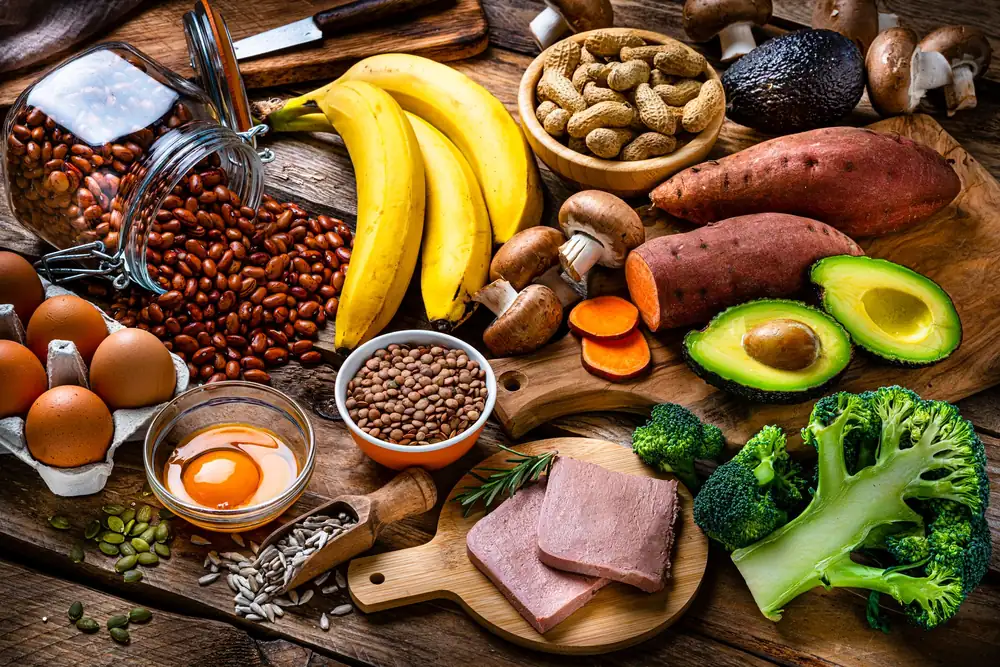
Often considered a single molecule, vitamin B is actually a group of eight micronutrients (B1, B2, B3, B5, B6, B8, B9, and B12) that are water-soluble, meaning they dissolve in water. These nutrients should be consumed regularly to maintain not only physical but also mental health. B vitamins perform vital functions for our well-being.
They help convert carbohydrates, fats, and proteins from food into ATP, the energy our cells need. When we think of vitamins, we almost always think of their association with physical health, rarely with mental health.
Yet, foods rich in vitamin B are also among the most important for mental well-being: some, such as B6, B9 (folic acid), and B12, participate in the synthesis of serotonin and dopamine, the neurotransmitters that regulate mood; a deficiency has been linked to fatigue, irritability, stress, and even depression. Furthermore, they are essential for maintaining neurons, improving concentration and supporting cognitive function. Biotin (B8) is among the best known in this field, contributing to the maintenance of normal skin, hair, and nails and supporting tissue cell renewal.
B12 and folic acid are essential for red blood cell production and to prevent anemia. The ranking: the 10 foods richest in vitamin B.
No single food contains all the B vitamins. Not even brewer's yeast, which is among the most complete sources, covers B12, which those following a plant-based diet must supplement.
Let's see what the richest sources of this group of vitamins are, from animal to plant sources. For each of these foods, we've provided the indicative value of B vitamins per 100 grams, so you can understand how much it contains compared to the daily reference requirement, shown in the table.
In the table, I've only listed values for adults, leaving out those for children and adolescents, pregnancy, and breastfeeding. Perfect for adding to hot soups and broths, or flaked on salads and vegetables to add a savory, cheesy flavor, brewer's yeast is the most concentrated source of vitamin B1 (almost 11 mg per 100 g) and also contains good amounts of B2, B3, and B6. However, it has one drawback: it's low in vitamin B12, which means it alone isn't enough to meet the needs of those who don't eat animal protein.
If brewer's yeast is low in vitamin B12, liver is the exact opposite, being the richest food in vitamin B12 in nature: up to 110 micrograms per 100 g, a huge amount! Excellent for vitamins, also containing folate (B9), B2, and B6, as well as vitamin A and minerals such as zinc and iron, it should be consumed in moderation due to its high cholesterol content.
An additional tip: it's best to buy it the same day you plan to cook it, choosing a uniform color and a delicate, non-pungent aroma. Of all seafood, clams are the richest in B12 (about 99 micrograms per 100 g).
A plate of spaghetti with clams, low in calories and high in protein, already more than covers your daily requirement. The facts are clear: rich in vitamin B1 (1.48 mg per 100 grams, above the daily reference value), B6, B9, and B5, sunflower seeds are extremely versatile. They're excellent nibbled as a snack, added to salads or yogurt for a vitamin boost, or used in soups and cream soups for that tasty crunch.
Besides being an unparalleled source of omega-3 fatty acids and vitamin D, oily fish (such as mackerel, sardines, and anchovies) is a veritable powerhouse of vitamin B12, with levels ranging from 4 to 7 micrograms per 100 grams. Whether fresh, baked, grilled, or even conveniently preserved in oil, it's a valuable ally for heart and nervous system health, perfect for serving at least twice a week. Whole grains, unlike refined versions, retain the bran and germ, the parts of the grain where most B vitamins, particularly B1 and B3, are concentrated.
Refining, in fact, eliminates most of it, along with fiber and healthy fatty acids. Replacing a serving of pasta with whole-wheat pasta a few times a week is already an excellent way to increase your overall B vitamin intake. A major plant source of folate (B9), B1, B2, and B6, as well as protein and fiber, a plate of legumes such as chickpeas, beans, lentils, and peas 2-3 times a week is, not surprisingly, the foundation of our Mediterranean diet.
They're also delicious as a snack. However, they don't contain B12.
The body cannot do without cobalamin (B12), so although it is needed in small amounts, those following a plant-based diet cannot meet their needs with legumes alone, just like brewer's yeast. Egg yolks are especially rich in B12 (about 0.5-0.6 micrograms per egg), B8, and B5, as well as B2.
Eggs are one of the few nearly complete animal sources that are also suitable for vegetarians. Among the best plant sources of folate (B9), asparagus, spinach, and broccoli should be eaten lightly cooked for optimal absorption.
This is because folates are easily lost in water (remember, B vitamins are water-soluble) and with prolonged heat. A 20-30 gram serving per day (about a handful) of pistachios, almonds, or walnuts is an excellent way to get B6 and B1, especially for those who eat little meat.
Some tips in the kitchen
B vitamins are easily lost in cooking liquids; of all vitamins, B1 is the most sensitive to heat. To minimize loss, it's best to steam (even using a pressure cooker) or microwave, use little water when boiling, reduce cooking times, and, when possible, reuse the cooking water from vegetables for broth or soup, thus recovering at least some of the lost liquid.
Purchasing fresh, seasonal foods and consuming them within a few days is undoubtedly the simplest strategy for maximizing the vitamin content, as well as being a more sustainable choice: short supply chains and seasonality reduce transportation and storage times, which are precisely when the most "fragile" vitamins begin to degrade. Vitamin B tends to decrease over time and with prolonged exposure to light and air; therefore, storing fresh foods away from light sources can undoubtedly help preserve their content longer, reducing the oxidative degradation of vitamins. Even with a daily intake of vitamin B, certain factors can reduce its absorption.
Alcohol, for example, inhibits its absorption, as do raw fish and shellfish containing certain enzymes (thiaminases) that easily degrade B1, another reason to prefer these foods cooked. Even tea and coffee, if consumed close to a meal with foods rich in vitamin B1, can slightly interfere with its absorption.
Precisely because vitamin B is not a single substance, but a heterogeneous group of different molecules, the best way to get your fill is not to rely on a single superfood but, once again, to vary your diet across different sources, whether plant-based or animal-based, bringing the greatest possible variety to the table. The trick is right here: variety is not only the most effective strategy for truly covering all the B vitamins, but also the simplest habit for transforming our diet into a true path to well-being.