NYC Baking Star Explores Her Afro-Caribbean Ancestry With New Restaurant
New York City is familiar with Camari Mick’s pastry work — she was whipping out rum cakes and beef patty croissants during her role as executive pastry chef of the Musket Room and Raf’s. Now the four-time James Beard Award semifinalist in the Outstanding Pastry Chef category is ready to go out on her own with a brasser…
“I want them to leave feeling that they learned a little bit more and that they can take whatever they got from here and put it into their own work,”
Calabash is opening in the West Village at 183 Christopher Street, near Weehawken Street, in the fall. The new name stems from a double-sphered gourd that was dried and used as a musical instrument or vessel, often throughout the African diaspora. She grew up seeing calabashes in her home in Pennsylvania, and during her research and development travels across Africa and the Caribbean, they kept appearing.
Calabash’s daytime menu will showcase Mick’s pastry skills, with laminated pastries, fermented breads, and savory dishes, like the cornbread pancake with a salted maple sabayon. The coffee is sourced from across Africa, and the tea is from Kenya. At night, the restaurant switches to a prix fixe dinner menu.
On the food lineup, the suya steak frites is Mick’s take on the Nigerian grilled meat skewer. She’s making long, deep-fried fries from ripe plantains; using whatever cuts of steak are available from Prince Abou’s, a Black-owned halal butcher shop in Harlem; and fashioning an au poivre sauce based on suya spices, all topped with peanuts. “Being in Michelin-starred restaurants, you’re cooking somebody else’s story,” Mick says. “Why wouldn’t I want the opportunity to cook mine?” She grew up in Pennsylvania; her father is Jamaican, her mother is from Brooklyn, and she recently discovered that she’s part Nigerian. “It’s time to learn about my own culture and be able to put that on the plate,” she says.
Mick talks about working on goat ragu with pappardelle and spicy pomodoro sauce, paired with a hard goat cheese. There’s also marinated sardines on a Trinidadian bake with a tomatillo chow For desserts, she’s turning gizzada, a Jamaican coconut milk tart, into a sticky bun.
The chocolate chip cookie is being baked with single-sourced chocolate from One One Cacao in Jamaica. She’s also bringing back that iconic beef patty croissant.
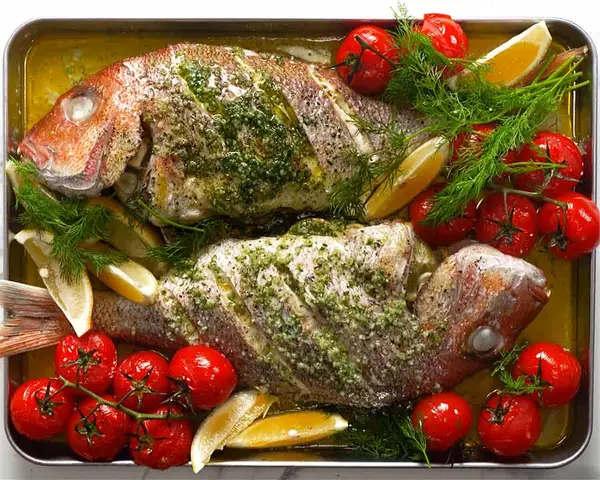
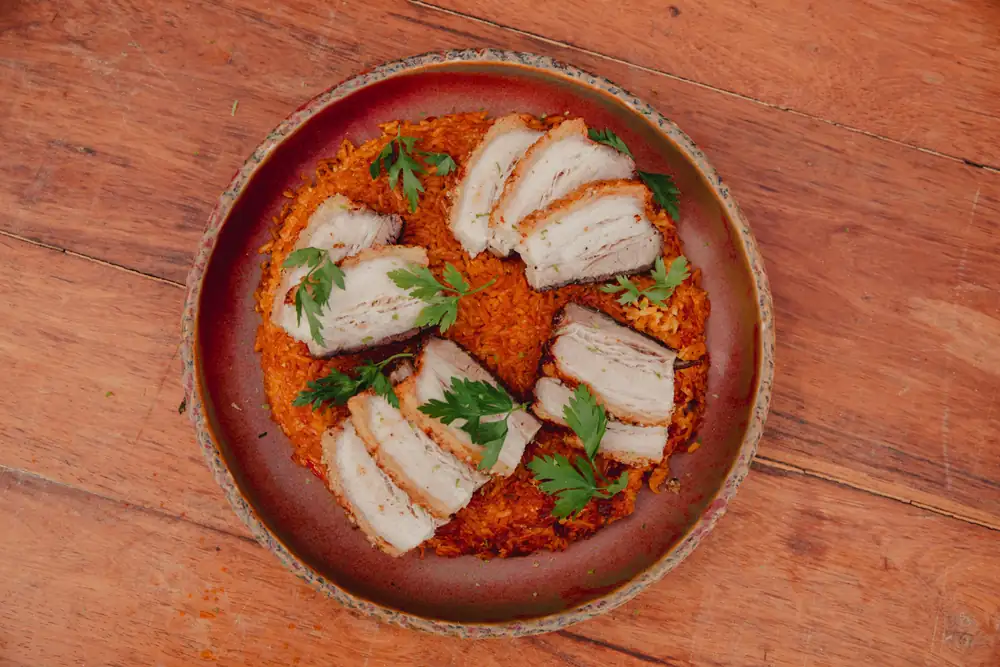
Camari previewed dishes during a pop-up at Riviera Maya hotel restaurant Etéreo in early August. That menu included grilled fish with collard greens salsa verde, crispy pork belly with jollof, and a smoked cheesecake.
There’s no liquor. Instead, Calabash will serve fermented drinks, nonalcoholic cocktails, and adaptogenic beverages using lion’s mane mushrooms and vitamins.
The space will feature art by Black and brown artists, curated by gallerist Cierra Britton. Mick excitedly talks about pairing specific bites of food to each artwork; the staff will be trained to talk about both the dishes and the art. “I want them to leave feeling that they learned a little bit more and that they can take whatever they got from here and put it into their own work,” she says.
D.C. architecture firm Drummond Projects designed the 1,300-square-foot, 30-seat restaurant. The space was Heermance Farm’s New York City event space, and actually, Calabash is a collaboration with the upstate New York-based farm. She’s even asking them to grow specific produce for her, teasing sweet potatoes for Thanksgiving.
Mick originally named her venture L’Atelier Ebenè, but decided to switch gears because it didn’t fit. She wanted to “decentralize European standards,” she says. ”It was almost an identity crisis. ‘If we’re doing this for us, shouldn’t the name represent us more?’”
This iteration of Calabash is what Mick calls a “proof of concept,” where she has the space for some time until she figures out what works, what doesn’t, and where the brasserie and bakery will ultimately land. For Mick, Calabash is only the beginning. Once it rolls out, she’ll grow the hospitality group that she’s creating, centered on uplifting Black and brown chefs. “I’m trying to build something legendary,” she says.
“This is something that I am really proud of, as a Black woman,” Mick says, which goes for the rest of her Black women team. Chef de cuisine Tajeh Porter joins from Nura; Jasmine L.
Pierce is her hospitality brand consultant. Calabash will be open from 8 a.m. to 4 p.m. with daytime service Thursday through Sunday.
Then the prix fixe dinner is served on Friday and Saturday. When the restaurant opens, book reservations on OpenTable.