Goji berries: The future market growth of a nutritional powerhouse
Goji berries, also known as wolfberries, have long been making rounds among health-conscious consumers thanks to their outstanding nutritional profile. This, Research Intelo foresees, is set to double their market value, from $1.8 million to $3.6 million by 2033.
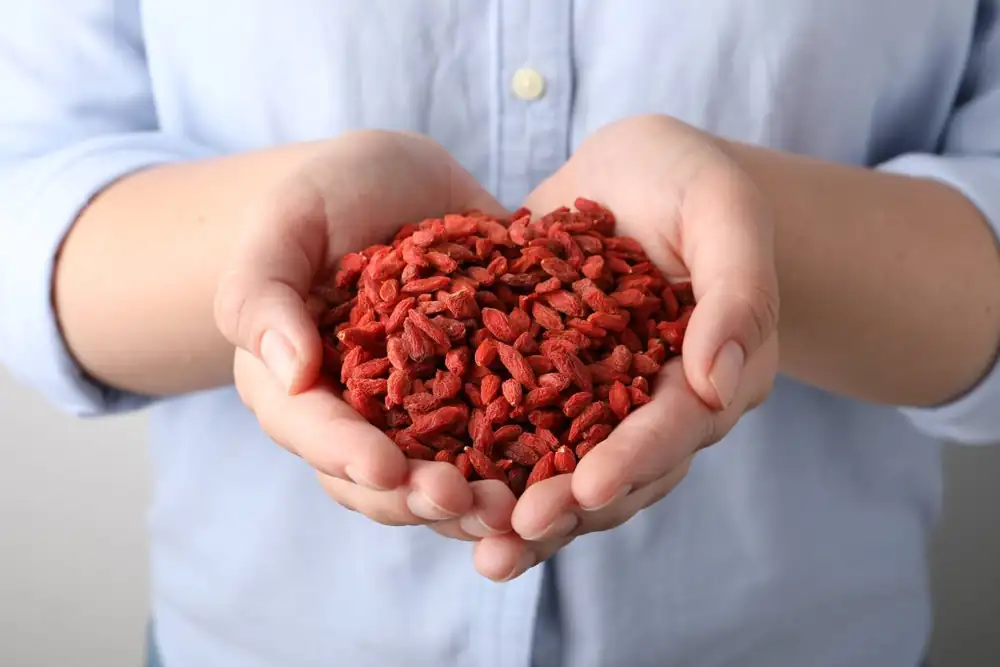
Currently, the dried format is the most widely available in international markets. It can be consumed directly or incorporated into preparations such as oatmeal, yogurt, granola, salads, smoothies, and baked goods. They can also be pre-soaked in warm water to restore some of their texture.
Goji berries: A tiny but mighty antioxidant Native to Asia and belonging to the species Lycium barbarum, goji berries have been used for centuries in traditional Chinese medicine.
One ounce of dried goji berries provides 3.6 grams of fiber, 1.9 milligrams of iron, and 13.6 milligrams of vitamin C, a recent publication by the Cleveland Clinic notes. They also contain zinc, vitamin A, and antioxidants. However, the component that has sparked the most interest is zeaxanthin, a carotenoid associated with protecting the retina and maintaining healthy vision.
Some studies have also examined the potential role of goji berries in protecting the macula, a small, delicate central area of the retina responsible for sharp, central vision. However, specialists warn that more research is needed to determine the berries’ long-term benefits.
The information also highlights the contribution of vitamin C and zinc in goji berries, nutrients that play an important role in proper immune function. Likewise, preliminary research has studied the polysaccharides present in these fruits and their potential relationship with immune function.
However, the results do not yet allow for definitive conclusions regarding their effects on everyday health. The antioxidant content is another attribute associated with goji berries. These compounds help protect cells against damage caused by free radicals.
Specialists emphasize that while no single food can prevent disease on its own, incorporating fruits and vegetables of different colors can increase the variety of antioxidants and other nutrients in the diet.
- Who: Goji · Research Intelo
- Money: $1.8 million · $3.6 million
- Figures: 1.8 million · 3.6 million