Brazil set to unlock the Chinese market for frozen pulps and fruits
Brazil just took a new step forward in exporting frozen pulps and fruits to the Asian giant after the Chinese General Administration of Customs (GACC) enabled the sanitary certificate model to be used by shipments to the Asian country. With this new development, exporters in the Latin American country can now register …
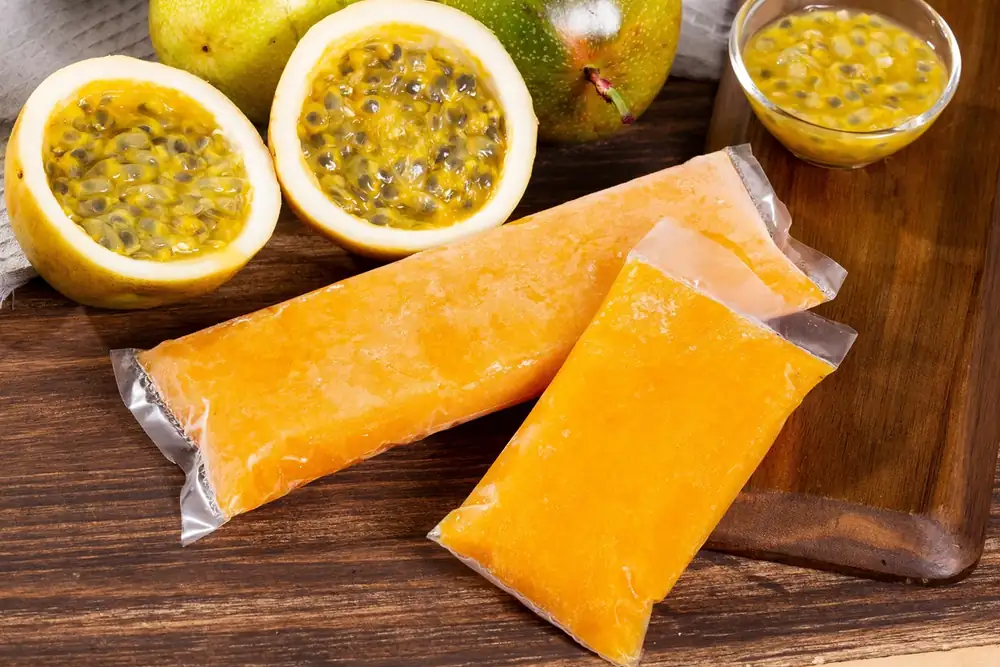
These include açaí, mango, guava, pineapple, and passion fruit, among others. In the case of species that do not yet have this recognition, they will remain subject to the specific regulatory procedures established by Chinese legislation for the approval of new foods, said the Brazilian agricultural ministry.
Brazil readies for frozen pulps and fruit exports
The CIFER registration process must be carried out directly by each exporter, which will be responsible for presenting the documentation required by the Chinese authorities. Once the application is approved, the GACC will assign a registration number to each exporter, a mandatory requirement for shipping products to the Chinese market.
Likewise, all exports must come with an official sanitary certificate agreed upon between both countries. The document supports compliance with the sanitary requirements demanded for the entry of these products into the Asian country.
- All images are referential.
- Who: Chinese · Brazil
- Percentages: 35 percent
- Figures: 35 percent