Insect farms and mock meat marketing: News from the alternative protein sector - hospitality
Despite Australians being among the world’s biggest meat-eaters, the demand for mock meats and sustainable alternatives continues to grow.
“While we may not see whole insect products on supermarket shelves anytime soon, processed powders and supplementary ingredients incorporated into existing foods are achievable,”
Interest in plant-based meat is growing rapidly, with sales nearly doubling since 2019 according to Adelaide University. Researchers at Adelaide University are looking at unconventional sources of protein, and they’re considering everything from the viability of insects in Australian kitchens, to how best to market plant-based meat to the public.
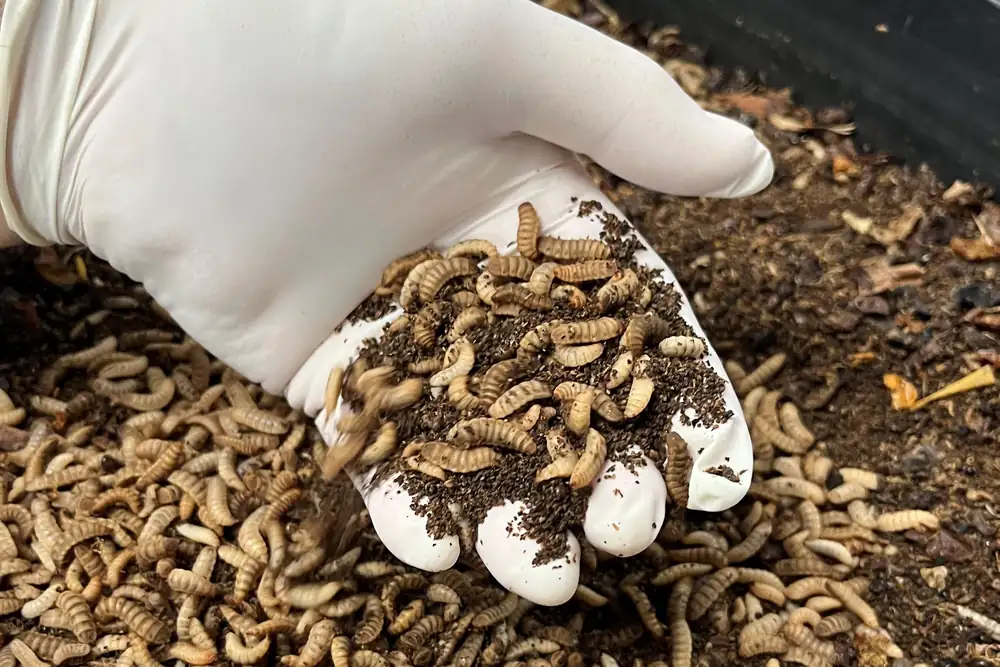
Larvae for lunch, anyone? Researchers are delving into how black soldier fly larvae could be farmed as a safe, nutritious, and protein-rich food source.
The study suggests that harvested larvae contain protein levels comparable to conventional meat sources alongside beneficial omega-3 and omega-6 fatty acids. For a country of meat lovers, the prospect of larvae becoming commonplace on menus seems unlikely.
But, says PhD researcher Sam Mallard, if we don’t diversify how we produce protein, we risk higher food prices, greater environmental pressures, and increased strain on our global food systems. “Exploring alternative sources helps build resilience into the way we feed people,” says Mallard.
He adds that the edible insect sector is “edging closer” for Australians —and it may not necessarily look like whole insects on supermarket shelves. “While we may not see whole insect products on supermarket shelves anytime soon, processed powders and supplementary ingredients incorporated into existing foods are achievable,” says Mallard.
“Australia has a strong agricultural legacy of producing high quality, nutritious food. By combining waste reduction with precision nutritional design, this research is helping position Australia at the forefront of safe, sustainable alternative protein production.”
Do diners have beef with plant-based meat? Looking away from alternative biomass and towards to alternative-meat mass marketing, Dr Cassidy Shaw and a team of Adelaide University researchers have been examining the willingness of consumers to buy and recommend plant-based meats.
The research, published in the Journal of Marketing Management, surveyed almost 1000 Australians on their perceptions of the product. It interrogated why many consumers remained hesitant to eat plant-based meat, despite growing awareness of sustainability and health issues with traditional meats.
The study examined different types of perceived risk of plant-based meats, including financial, psychological and time-related concerns, alongside perceptions of product quality and value for money. “This is consistent with what we know about established attitudes: once formed, they tend to be durable and difficult to change over time,” said Shaw.
Among vegetarian consumers, rational messages strengthened perceptions of quality and increased their willingness to purchase and recommend the product.” Looking to get your customers to try your plant-based proteins?
The research suggests tailoring the message to different consumer groups. For younger consumers and vegetarians, factual, rational messaging that clearly communicates product quality appears more effective.
For meat eaters, communications should focus on reducing perceived financial, psychological and time-related risks by reassuring consumers that plant-based products taste good and offer value for money.
Resources
Lorem ipsum dolor sit amet, consectetur adipiscing elit.
Fusce ac ornare lectus. Sed bibendum lobortis...
- Who: Adelaide University