Colombia Opens U.S. Market for Beef Tallow Exports Destined for Biofuels
Colombia took a new step toward diversifying its agricultural and industrial exports with the first commercial shipment of beef tallow to the United States, a product that will be used as a raw material for the production of biofuels and renewable diesel.
The export was carried out by Minerva Ingredients, a business unit of Minerva Foods, after meeting the sanitary, quality, and traceability requirements required to enter the U.S. market. The process made it possible to ship the product directly from authorized processing facilities in Colombia.
The United States is currently one of the world’s leading biofuel producers, accounting for approximately 45% of global production. As a result, access for Colombian suppliers to this market represents an opportunity to expand the country’s participation in international supply chains linked to the energy transition.
Colombian beef tallow enters the U.S. renewable fuels industry
Beef tallow is a byproduct obtained during the processing of animals destined for the meat industry. Although it has traditionally been used for different purposes within the production chain, demand has increased because of its potential as a raw material for renewable fuel production.
In the United States, this type of animal fat can be used to produce renewable diesel and other lower-carbon fuels. The expansion of these industries has generated greater international demand for raw materials that can be incorporated into energy transformation processes.
For Colombia, opening this market provides an opportunity to make use of a product that is already part of the livestock industry and give it a new commercial outlet. The ability to export tallow could also contribute to more efficient use of processed animals and generate additional revenue for the agricultural and industrial supply chain.
Access to the U.S. market required Colombia to demonstrate compliance with various sanitary and food-safety conditions. In addition to controls on the product itself, the operation requires systems capable of verifying its origin and tracking its journey from processing facilities to the international buyer.
These requirements are particularly important in the U.S. market, where animal-origin products intended for specific uses must meet established standards before they can be authorized for entry.
An opportunity to diversify Colombia’s agricultural exports
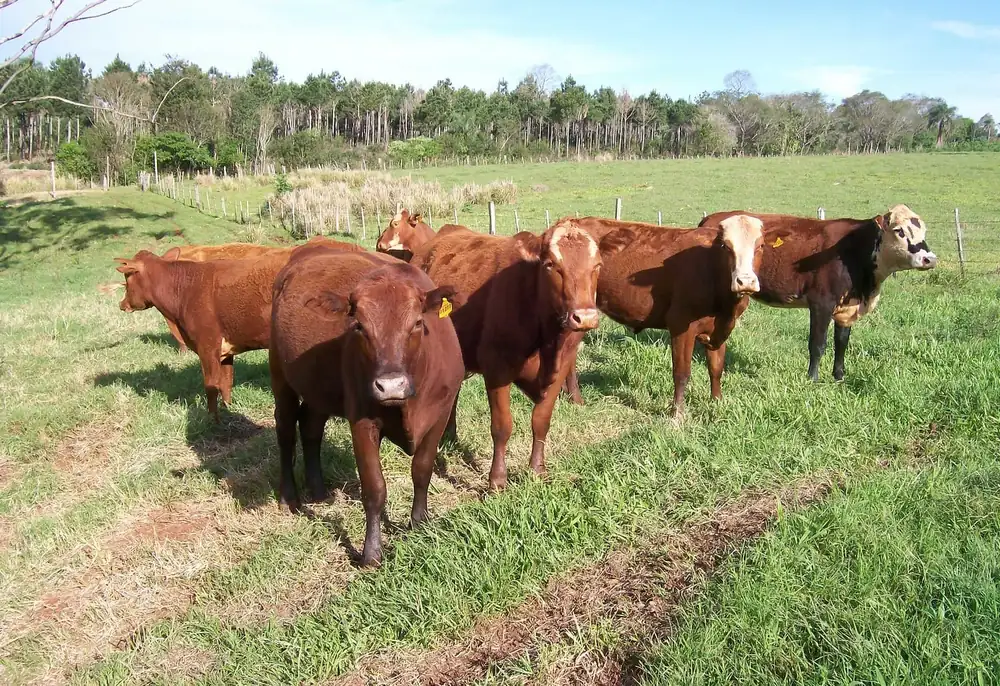
The market opening comes as Colombia seeks to expand the range of products it sells internationally. While beef remains one of the main products associated with the country’s livestock industry, the commercialization of byproducts creates opportunities to develop new sources of revenue and make more efficient use of domestic production.
In Colombia, annual beef tallow production is valued at approximately $60 million. Access to U.S. buyers provides an additional commercial opportunity for this industry and could support the development of a supply chain connected to the renewable fuels sector.
The new market could also encourage stronger processing and transformation capabilities in Colombia. As international demand grows, companies across the supply chain may have greater incentives to improve their storage, transportation, certification, and traceability systems.
Beef tallow exports to the United States are also connected to a broader global trend: the development of technologies aimed at reducing transportation-related emissions and partially replacing conventional fossil fuels.
For Colombia, participation in this supply chain represents a shift beyond traditional exports and toward raw materials associated with rapidly expanding industries. The new opportunity could strengthen the country’s role as a supplier of agricultural products while connecting its livestock sector with the growing international market for renewable energy.