Olive Council Revises Standard to Recognize Coratina’s Natural Sterol Profile
The International Olive Council has published the latest revision of its trade standard, formally recognizing that monovarietal extra virgin olive oils produced from Coratina may naturally contain lower concentrations of total sterols. Under the revised standard, COI/T.15/NC No. 3/Rev. 22 , Coratina extra virgin olive …
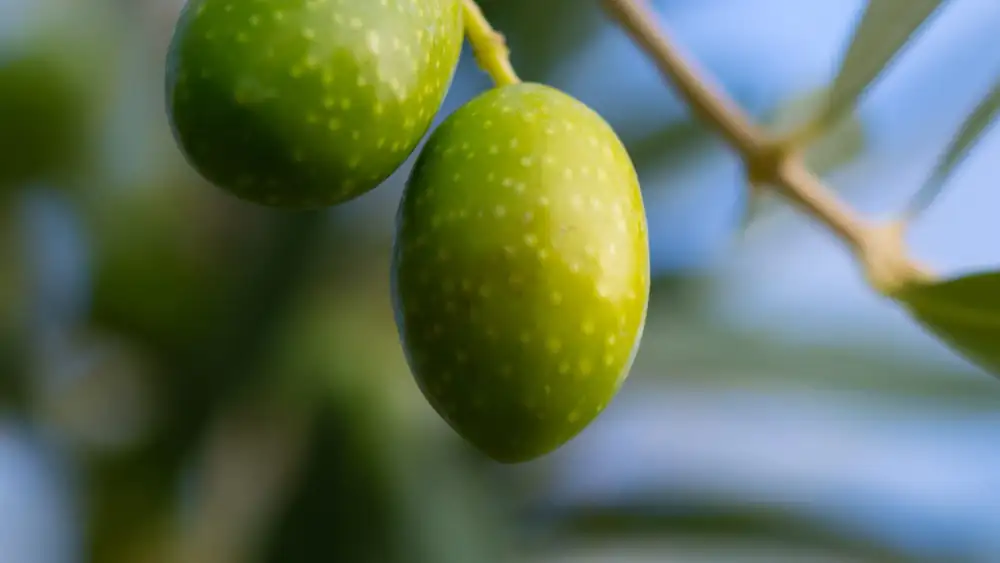
“are an authentic expression of nature and our territory, not an anomaly to be corrected.”
The minimum total sterol content for extra virgin olive oils produced exclusively from the three cultivars is now set at 800 milligrams per kilogram, compared with the general minimum of 1,000 milligrams per kilogram for virgin olive oils. Sterols are naturally occurring compounds whose composition and concentration are used in chemical testing to assess olive oil identity and authenticity. However, oils produced from some cultivars may naturally fall below the standard threshold.
For these cultivars, a total sterol content below 1,000 milligrams per kilogram does not, by itself, indicate adulteration or failure to meet other quality and purity requirements. The final wording states that, “pending further scientific studies and by way of exception,” the lower threshold applies to extra virgin olive oils produced exclusively from the three cultivars.
In an earlier proposal presented by the European Commission in January, the sterol exception for Coratina would have expired at the end of the 2026/27 crop year. The IOC has as well called for complementary tests to help laboratories verify that oils benefiting from the lower threshold are genuine monovarietal olive oils produced from Coratina, Koroneiki or Nocellara del Belice. Diacylglycerols are fat molecules formed naturally in olive oil and during the breakdown of triglycerides.
Their concentration and composition can provide information about an oil’s freshness and processing history. Their proportion relative to free sterols may provide further information about an oil’s varietal origin, processing history and authenticity.
The IOC working group will test and validate the methods and determine whether their results can be combined in a decision tree, a sequence of analytical checks laboratories could use to determine whether an oil’s profile is consistent with Coratina, Koroneiki or Nocellara del Belice. The revision follows years of scientific and regulatory work by researchers, administration laboratories. Agricultural organizations seeking to demonstrate that low total sterol concentrations may be a natural varietal characteristic rather than evidence of adulteration . Authentic Coratina extra virgin olive oils may fall below the general minimum while complying with all other analytical and sensory requirements for the category.
According to Welcoming the IOC decision, Italian Agriculture Minister Francesco Lollobrigida, italian olive cultivars “are an authentic expression of nature and our territory, not an anomaly to be corrected.” Several Italian farming and producer organizations in addition welcomed the revision. Alongside the sterol revision, the updated trade standard introduces two changes to analytical methods recognized by the IOC. Alongside other chemical and sensory indicators, peroxide value is used to assess whether an olive oil has begun to deteriorate.
The revision in addition introduces a section covering the determination of volatile compounds in virgin olive oils using solid-phase microextraction followed by gas chromatography with flame ionization or mass spectrometric detection. Volatile compounds contribute to an olive oil’s aroma and may be associated with both positive sensory attributes and defects.
Its addition expands the IOC’s internationally recognized reference methods without changing the sensory classification criteria for virgin olive oils.
- Who: Coratina