Steak 'will be tastier' if you add unexpected ingredient while it's resting
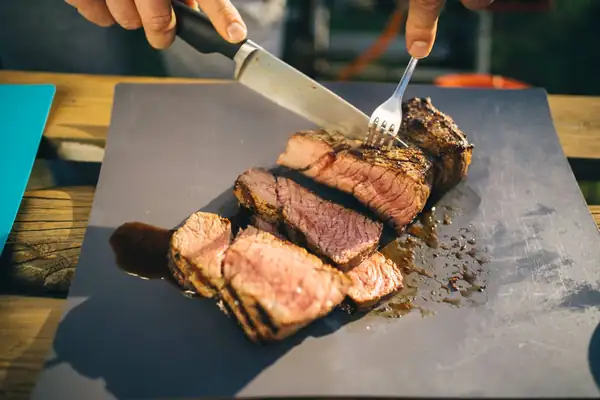
A specialist butcher has shared a simple tip to make your steak taste even better, and it's all about sprinkling one unexpected ingredient during the steak resting period
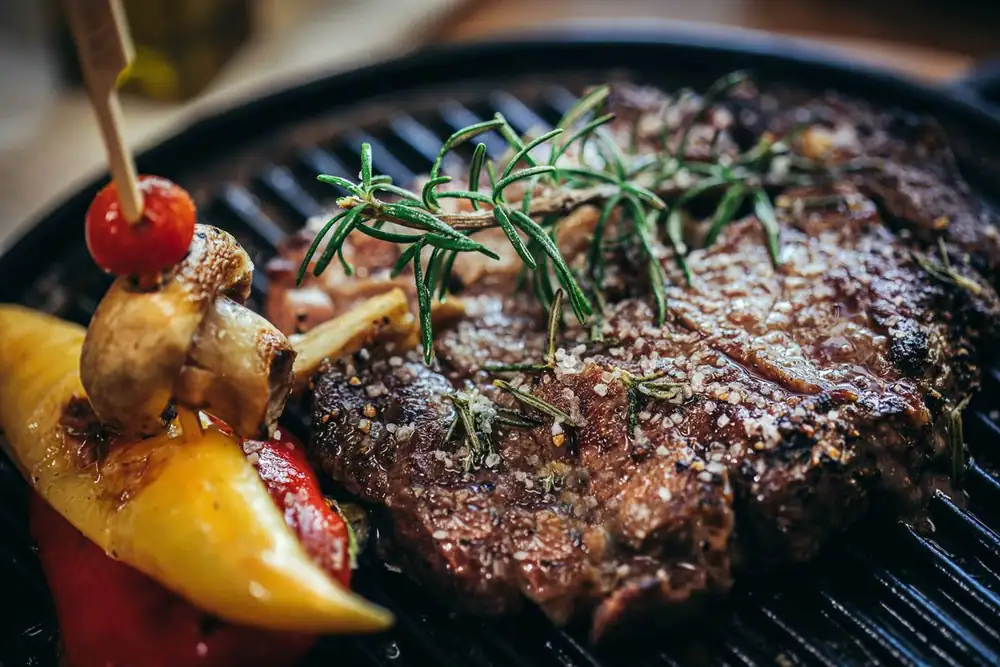
“Just a very light dusting, almost like you're seasoning it a second time. It melts into the steak and brings out a deeper, more savoury beef flavour.”
There are few meals more satisfying than a perfectly cooked steak. It has long been a favourite on dinner tables across the country, beloved for its rich flavour and the sense of indulgence it brings - whether you are cooking for a crowd or simply for yourself after a long week.
For all its reputation as a restaurant staple, steak is also one of the most rewarding things you can cook at home. Get the technique right and the results can rival anything you would find in a professional kitchen, which is perhaps why so many home cooks are eager to refine their approach. Yet plenty of people continue to search online for guidance on cooking the perfect steak.
With so much information now available, one particular tip from Niall McCusker, a specialist butcher at Campbells Meat, is certainly worth noting. He suggests there is one surprising final flourish that will deliver the meatiest-tasting steak - a fine sprinkling of grated parmesan during the resting stage. "We're not talking about the amount you would throw over a bowl of pasta," says Niall.
"Just a very light dusting, almost like you're seasoning it a second time. It melts into the steak and brings out a deeper, more savoury beef flavour.
"I didn't believe a steak could taste even beefier by adding one unlikely ingredient. Done properly, it instantly feels like a more premium or aged cut," he adds. What makes the cooking tip work?
Aged beef and aged parmesan both contain remarkably high concentrations of glutamates, the compounds that create intense savoury flavour. When combined, Niall explains that the two ingredients complement one another, resulting in the steak tasting more intensely beefy rather than cheesy.
"It works best on ribeye and sirloin rather than leaner cuts as the marbling helps carry the flavour, something a fillet doesn't have," he says. What's the best method for cooking steak?
There are strong debates and alternative schools of thought among top chefs and food scientists when it comes to cooking the best steak. While the pan-sear and butter-baste method is the restaurant classic, food scientists and modern chefs heavily push other techniques depending on how thick your steak is.
- 1. The master method: pan sear and butter baste
This is a classic, restaurant-grade cooking technique used to achieve a deeply caramelised, golden crust on the outside of a steak while keeping the inside incredibly juicy, tender, and evenly cooked. By first searing the meat in a high-smoke-point oil over high heat and finishing it with a continuous bath of foaming, herb-and-garlic-infused butter, you achieve a rich and dynamic flavour profile that rivals elite steakhouses.
- 2. The 'flip it once' vs. 'flip it constantly' debate
Chefs like Gordon Ramsay traditionally argue you should lay the steak down, leave it completely undisturbed to build a crust, and flip it only once. They argue moving it too much prevents a proper sear.
Meanwhile, food scientists at Serious Eats proved that flipping the steak every 30 seconds actually cooks it up to 30% faster and much more evenly. Because neither side is exposed to intense heat for too long, you avoid building a thick, overcooked "gray band" of dry meat just under the crust.
- 3. The reverse sear (best for thick cuts)
If your steak is thicker than 4 cm (1.5 inches), many experts say pan-searing alone is actually the wrong method. By the time the icy centre of a thick steak cooks to medium-rare, the outside will be charred and overdone.
For this method, you bake the steak at a very low temperature (around 105°C/225°F) until the inside is almost done, then flash-sear it in a hot pan at the very end. The gentle oven heat dries out the surface of the meat perfectly, meaning it forms a steakhouse-quality crust in a fraction of the time during the final sear.
- 4. Sous Vide
Purists and precision cooks bypass the stove or oven entirely for the initial cook, using a water bath. For this, you seal the seasoned steak in a bag and submerge it in a temperature-controlled Anova Precision Cooker bath at exactly 54°C (130°F) for 1 to 2 hours. Once done, you pull it out and sear it for 45 seconds per side.
When using this method, it is physically impossible to overcook the steak and will be perfectly pink from the absolute dead-centre to the very edge.
- Who: Niall McCusker · Campbells Meat
- Percentages: 30%
- Figures: 30%