Here’s the Best Way to Store Tomatoes So They Stay Fresh
Particularly when they are in season, the types of tomatoes out there range from those hefty, gloriously delicious heirloom varieties all the way to the little baby cherry tomatoes you find in containers at the supermarket.
- 8 Ways to Keep Ants Out of Your Hummingbird Feeder
- 5 Easy Tricks to Keep Dahlias Blooming Until Frost
- 7 Gardening Tasks to Tackle Before the Summer Ends
- 15 Bell Pepper Recipes Perfect for Family Dinners
- 12 Delicious Ways to Use Up a Bag of Cornmeal
- Let’s discuss how to store tomatoes and when to refrigerate them versus keeping them on the countertop.
- When should tomatoes be refrigerated?
But suffice it to say, all tomatoes are at their best when they're firm, with a little snap to their skin and a little give to their texture, without any mush. If you've ever wondered the best way to store tomatoes, you might have considered this question already: Does refrigerating a tomato prolong its shelf life or cause it to turn mealy and bland?
A perfectly ripe tomato makes all the difference, whether you’re picking out the best tomatoes for homemade salsa or baking a tomato pie. Let’s discuss how to store tomatoes and when to refrigerate them versus keeping them on the countertop.
Because though one method is far superior to the other, there are moments when you might need to switch it up. That way, no matter the tomato recipes you plan to try, you’ll always have the tomatoes that aren’t mealy or bland.
The Best Way to Store Tomatoes
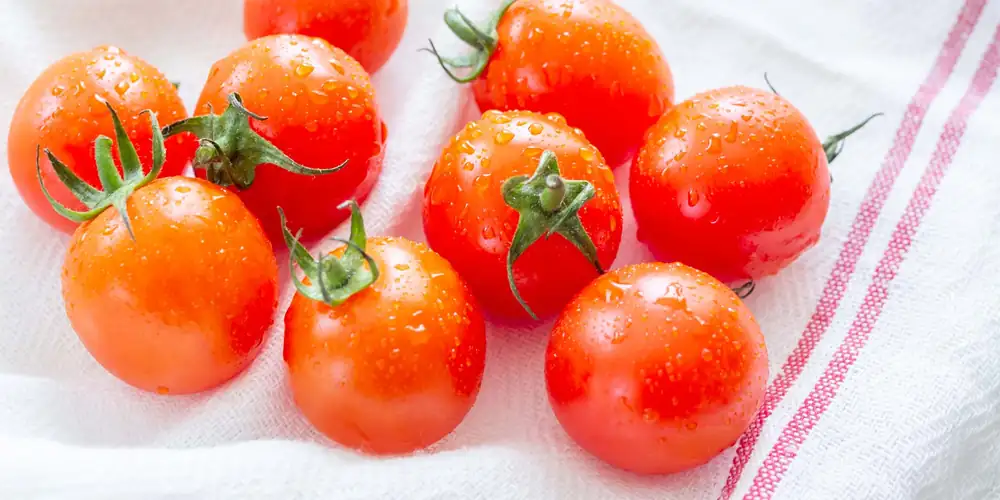
The easiest solution is to leave tomatoes on the countertop at room temperature, letting nature run its course.
If you grow tomatoes at home, you already know that the fruit will continue to ripen and age. So, they will only fully develop their flavor when they are allowed to be out of the cold.
Bonus tip: Store tomatoes stem-side down to prevent moisture loss. Moisture escapes from tomatoes via the stem end, while the skin helps retain it.
The reason why refrigeration is not the solution is that it changes the flavor and texture of tomatoes. It stops them from ripening, which is why they taste bland.
Also, the fridge’s low temperature can damage cell membranes and affect texture, which is why tomatoes can taste mealy after prolonged cold storage. When should tomatoes be refrigerated? This is where the refrigerator comes in handy—if a tomato has reached its prime and you have no plans to use it for dinner that day, move it to the refrigerator, where the chill will slow its aging and prevent it from spoiling early.
Also, a chilled tomato should always be given a chance to come back to room temperature, where its natural flavor and texture shine. And just to give you something else to think about when it comes to all things tomato, you never want to chill an underripe tomato.
This impedes the tomato's ability to ripen even after being brought back to room temperature. So the only time you want to refrigerate tomatoes is when they've reached their prime—and that's only to buy yourself some time, so you can eat it once you're good and ready.
How do you store cut tomatoes? Store a cut tomato with the cut side covered, wrap it tightly in plastic wrap, and refrigerate it.
Whatever you do, don't forget about it—a cut tomato begins to degrade immediately. It should keep for a day or two, but not much longer than that.