In Bogotá, El Chato Turns a Country's Biodiversity Into the Most Exciting Plate in the Andes
Álvaro Clavijo came home from the great kitchens of New York and Copenhagen with one idea: that Colombia had everything a cook could want. Nine years on, his bistro in Chapinero is proving him right, course by course.
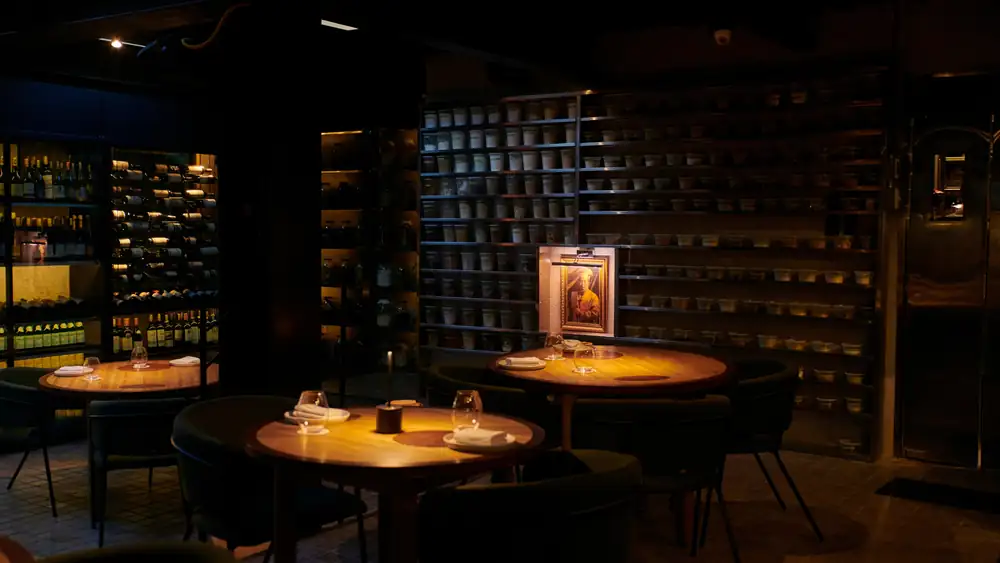
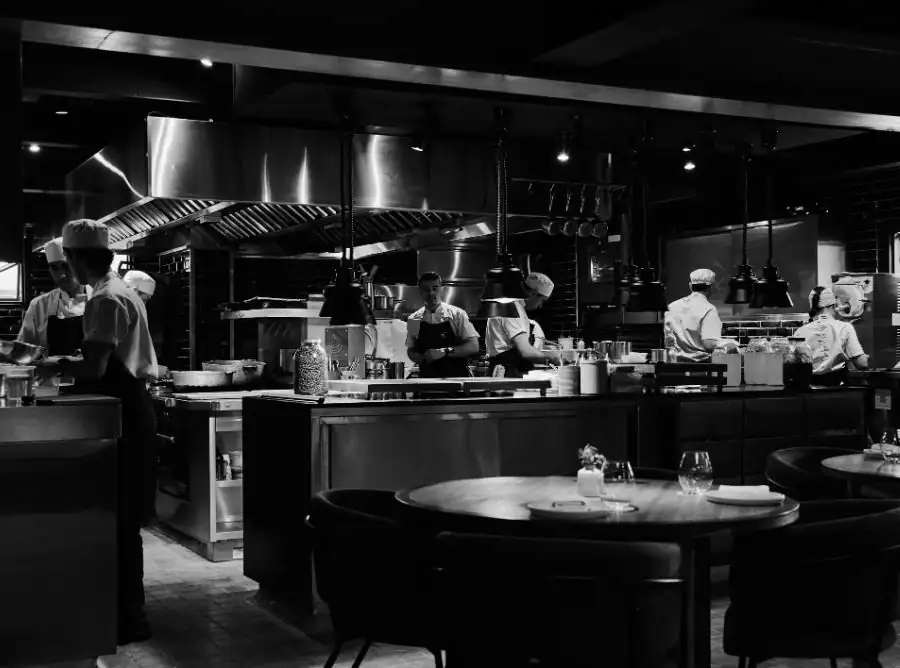
Bogotá sits at 2,600 metres, where the air is thin and the light is hard, and El Chato sits in the middle of it on a residential street in Chapinero, in a converted house with a bar downstairs and a dining room that feels like the living room of someone with excellent taste. Álvaro Clavijo opened it in 2017 after years cooking abroad, and what he built is not a temple to technique but a running argument that the most interesting larder in the world is the one outside the door.
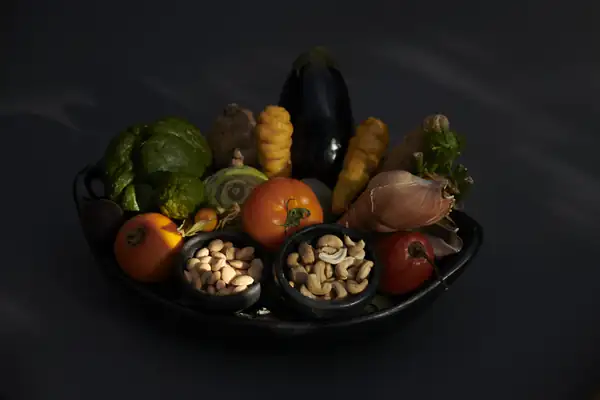
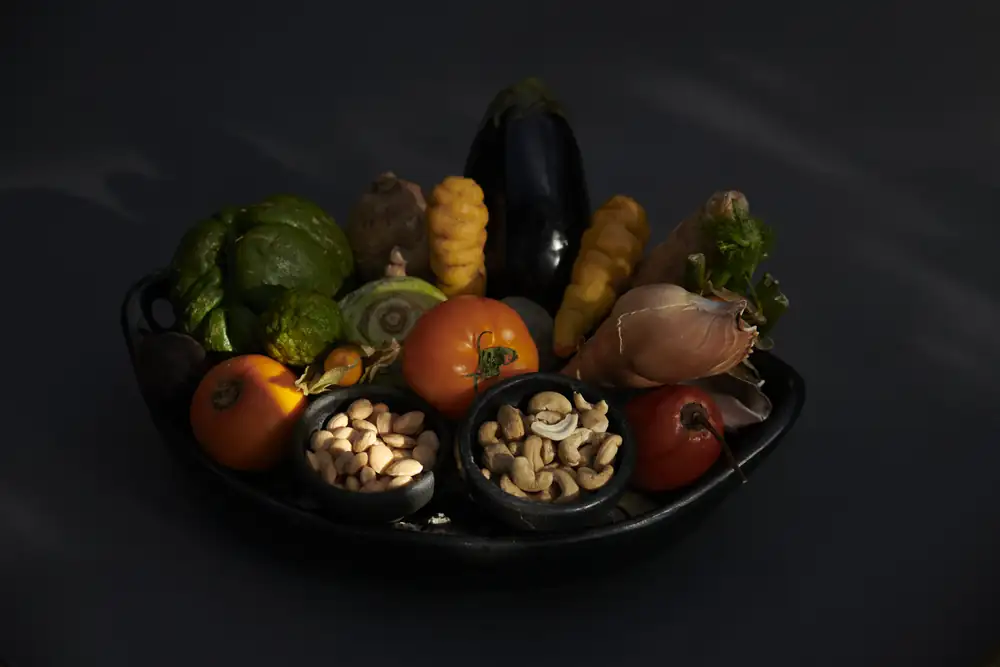
That larder is enormous. Colombia has more kinds of fruit than most continents, tubers nobody outside the Andes has heard of, coastlines on two oceans and a river system that reaches into the Amazon, and Clavijo's menu moves through it like a man showing you his house. On the night I ate, dinner opened with a small bread of yuca, warm and chewy, with a butter whipped with the salt of the Caribbean, and a broth of roasted corn that tasted like the smell of a village at dusk.
The kitchen's gift is for taking an ingredient you think you know and finding the part of it you have never tasted. A plate of arracacha, the Andean root that most Colombians eat boiled, arrived roasted until its edges had caramelised, glazed in its own juice, with a sauce of fermented ají that was hot in the way a good conversation is hot: gradually, and with warmth. A piece of duck was smoked over the wood of a coffee tree and served with a purée of plantain and a sharp little jam of corozo, the small purple palm fruit of the coast, and the whole plate had the balance of something composed by ear.
The bread deserves a paragraph. It is made from yuca and from a corn of the highlands, fermented slowly, and it comes to the table warm with a butter beaten with sea salt from the Caribbean coast. Tear it and it steams; the crumb is chewy and faintly sour and the crust cracks. With it, a small dish of a chilli oil the kitchen makes from ajíes I did not know, fruity and then hot and then fruity again. I ate three pieces and had to be stopped.
There is a course built around the mushrooms of the cloud forest that I have thought about since. They were roasted whole, slightly charred, and set in a broth made from their own trimmings and a little smoked cheese from the savannah; the broth was dark and meaty and the mushrooms had the texture of something between a scallop and a steak. It was a plate that could only exist here, from this forest, at this altitude, and it tasted like it knew that.
Fish comes up from the Pacific, and it is treated with a lightness that the altitude seems to demand. A slice of raw amberjack lay in a cold broth of lulo, the green-orange fruit that tastes like a citrus you dreamed about, and the acidity lifted the fish without touching its sweetness. Later, a whole crab from the Caribbean was picked and folded into a warm rice cooked in its shell, and I ate it with a spoon and did not speak.
The desserts stay in the country. A cheese from the savannah is served with a honey from stingless bees so floral it borders on perfume; a sorbet of guanábana arrives with a crumble of toasted panela. The wine list is short and sharp and there is a serious cocktail bar downstairs where the bitters are made in-house, but the drink to have is the coffee, which comes from a single farm and is poured with the care of a wine.
The service is young, quick and proud of what it is serving, which is the mood of the whole place: a kitchen that has stopped apologising for its geography and started celebrating it. Lists that rank the restaurants of the continent have had El Chato near their summit for years, and the reason is on the plate. You leave wanting to see the country, which is the highest thing a restaurant can make you feel.