Disfrutar Is the Most Joyful Meal in Europe, and It Is Serious About That
Three chefs from the old elBulli kitchen opened a restaurant in Barcelona whose name means 'enjoy'. A decade on, with every prize on the shelf, the instruction still holds. Here is what an afternoon there actually feels like.
Disfrutar is on Carrer de Villarroel in the Eixample, a stretch of Barcelona where the grid of the city is at its most orderly, and the restaurant's bright tiled entrance gives no hint of the length of the reservation list behind it. Oriol Castro, Eduard Xatruch and Mateu Casañas opened it in December 2014; the three of them had spent years at elBulli, the restaurant that changed cooking, and what they built here is the most convincing answer anyone has given to the question of what should come next. In 2024 it was named the best restaurant in the world and given its third Michelin star in the same season. It wears both lightly.
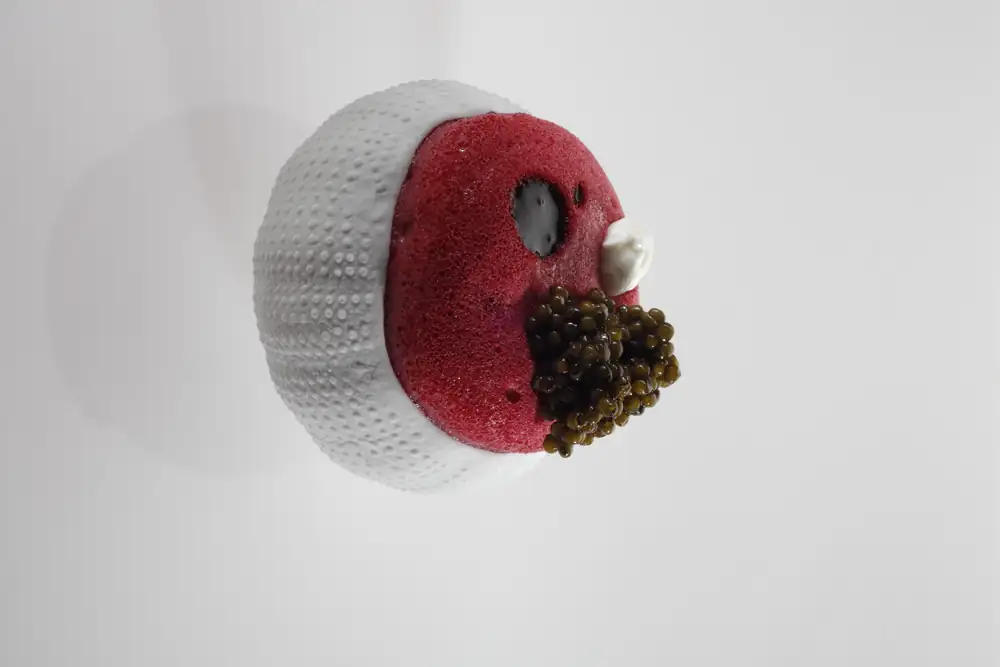
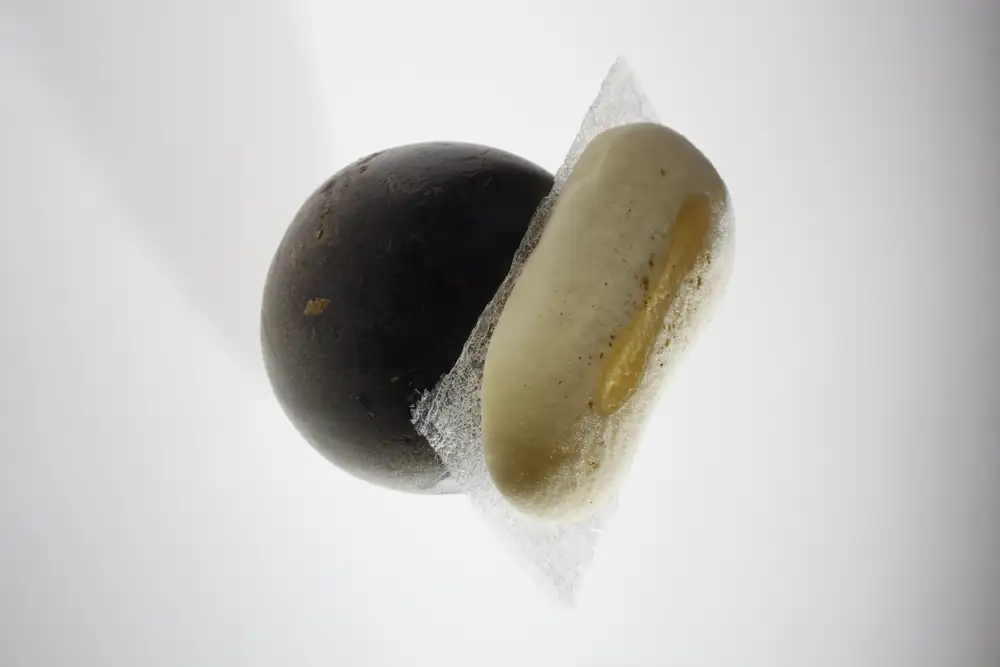
The menu is long, thirty or so courses, and it arrives at a pace that never feels like an assault. The kitchen's genius is that every dish is a small, complete pleasure: you laugh, or you close your eyes, and then the next one comes. A cold gilda, the Basque bar snack of anchovy and olive and pepper, reimagined as a single perfect bite that dissolves in the mouth. A ball of pesto that is not a sauce but a cluster of tiny spheres, each bursting with basil and pine nut so intensely that you taste the whole of a Ligurian summer in a second. A hollow bun, golden and warm, that they call a panchino, filled with sour cream and caviar, which is the single most delightful thing I ate this year and I have thought about it more than once at breakfast.
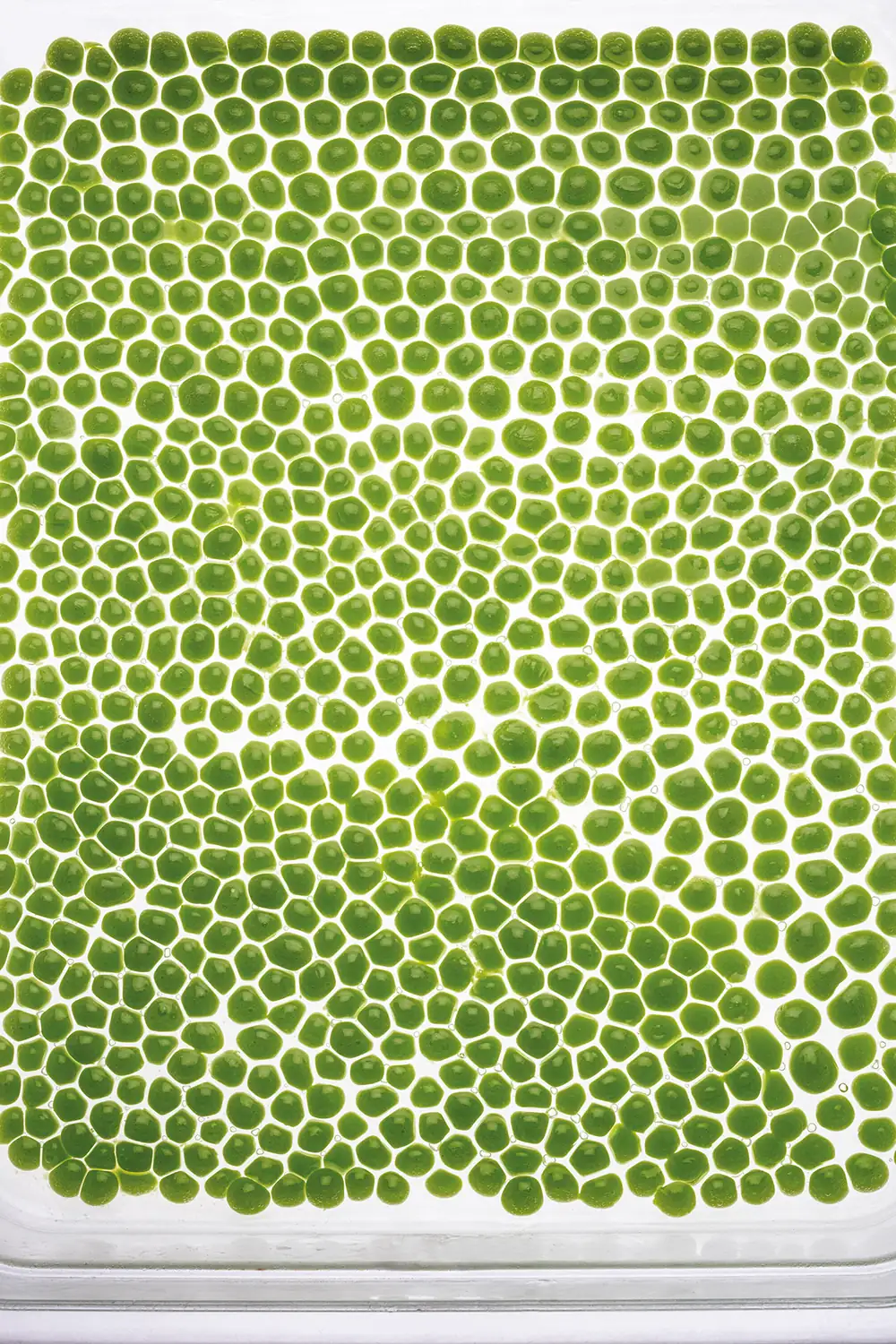
What separates Disfrutar from the many restaurants that inherited elBulli's tricks is flavour. The technique here is astonishing, but it is never the point; it is always in service of a taste that is clearer, brighter, more itself than it could have been any other way. A dish of peas, tiny and sweet and barely cooked, in a broth of their own pods, tasted like the moment in spring when everything is possible. A piece of fish in a sauce of its own collagen was so intensely marine that I looked around for the sea.
The kitchen tour, if you are offered it, is worth taking. The three chefs are usually there, and the calm of the place is astonishing given what is coming out of it: rows of cooks working in near silence, each station spotless, a research corner where the next season's ideas are being tried. It is the opposite of the theatrical open kitchen. It looks like a laboratory run by people who love lunch.
The wine pairing is a serious piece of work, not an afterthought. It moves through Catalan and Spanish bottles with a sense of humour that matches the food: a cava with the gilda, a sherry with a dish of the sea, a sweet wine from the islands with the dessert that looks like something it is not. If you prefer to choose, the list is deep and fairly priced by the standards of a restaurant at this level, and the sommeliers are generous with their time.
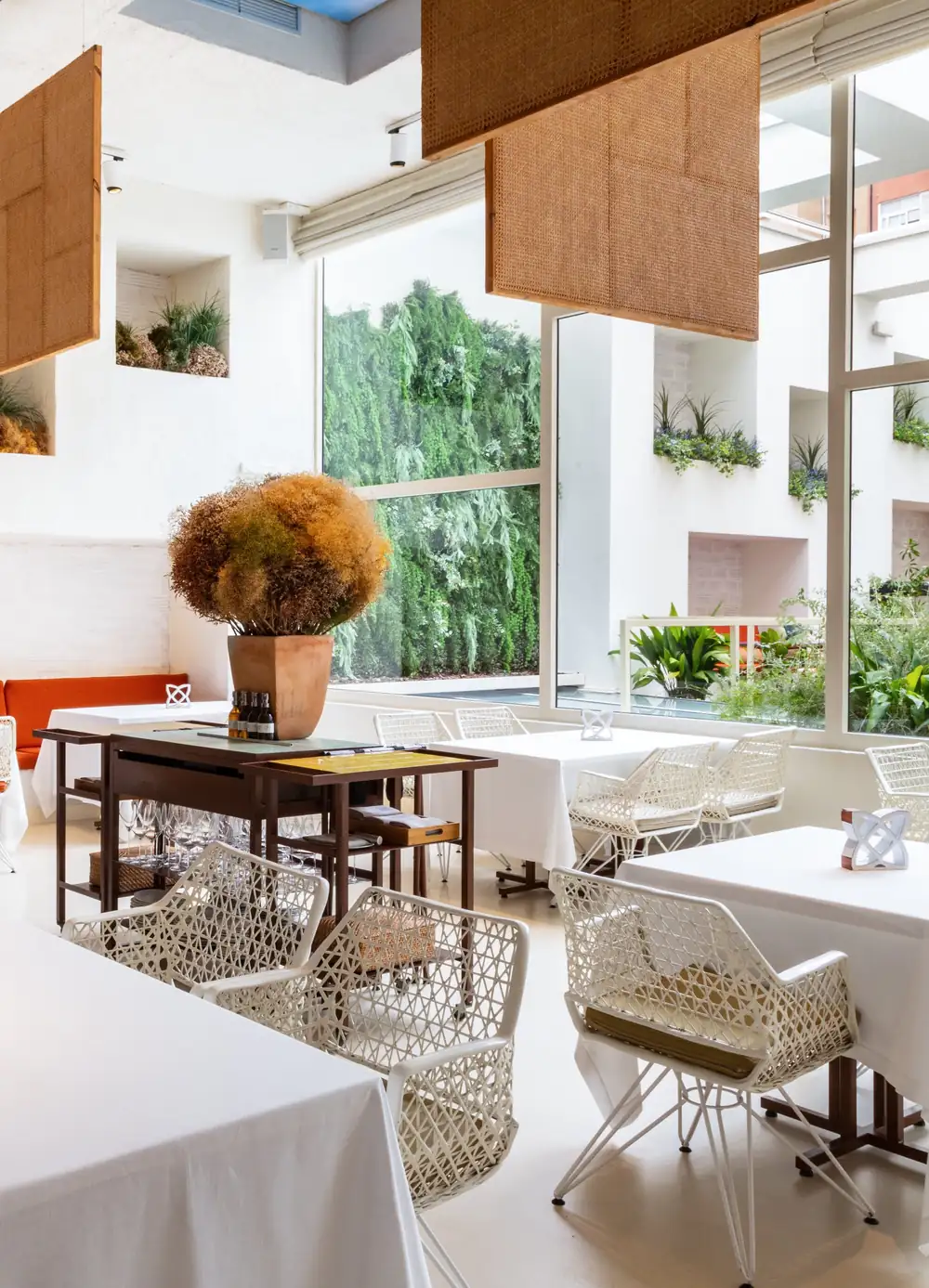
The famous living table, which you can request when you book, is a separate adventure: a table with drawers and hidden compartments that opens across the meal to reveal courses, as if the furniture were in on the joke. It is playful and it is expensive and it is worth doing once. But the ordinary dining room, white and bright with a view into a kitchen of extraordinary calm, is where most of the magic happens, and it happens without props.
Practicalities: two tasting menus, the Classic and the Festival, each at 325 euros, with a wine pairing at 180; reservations open months ahead through the restaurant's site and go within hours. Lunch is the way in if you can manage it; the light is beautiful and the afternoon afterwards, on the streets of the Eixample, is part of the pleasure. Allow four hours. Tell them everything about what you cannot eat when you book. Wear something you can sit in happily for a long time.
The name is an instruction, and it is followed. At some point, perhaps at the panchino, perhaps at the dessert that looks like a common object and turns out to be made of chocolate and air, you will notice that everyone in the room is smiling. That is rarer at this level than it should be, and it is the reason the world's rankings were right.