The Crab, the Pigeon and the Sauce Made in the Back: What to Order at Hong Kong's The Chairman
It has topped the region's rankings and it still feels like a family restaurant with very high standards. A working guide to the most important Cantonese table in the city, dish by dish.
The Chairman moved a few years ago to the third floor of The Wellington, a building on Wellington Street in the heart of Central, and the new room suits it: quiet, well-lit, unfussy, with the calm of a place that does not need to convince anyone. Danny Yip founded the restaurant in 2009 on an idea that sounds obvious and is not: that Cantonese food is at its best when the ingredients are impeccable, the technique is exact, and the sauces are made by the people serving them. Almost everything here that can be made in-house is.
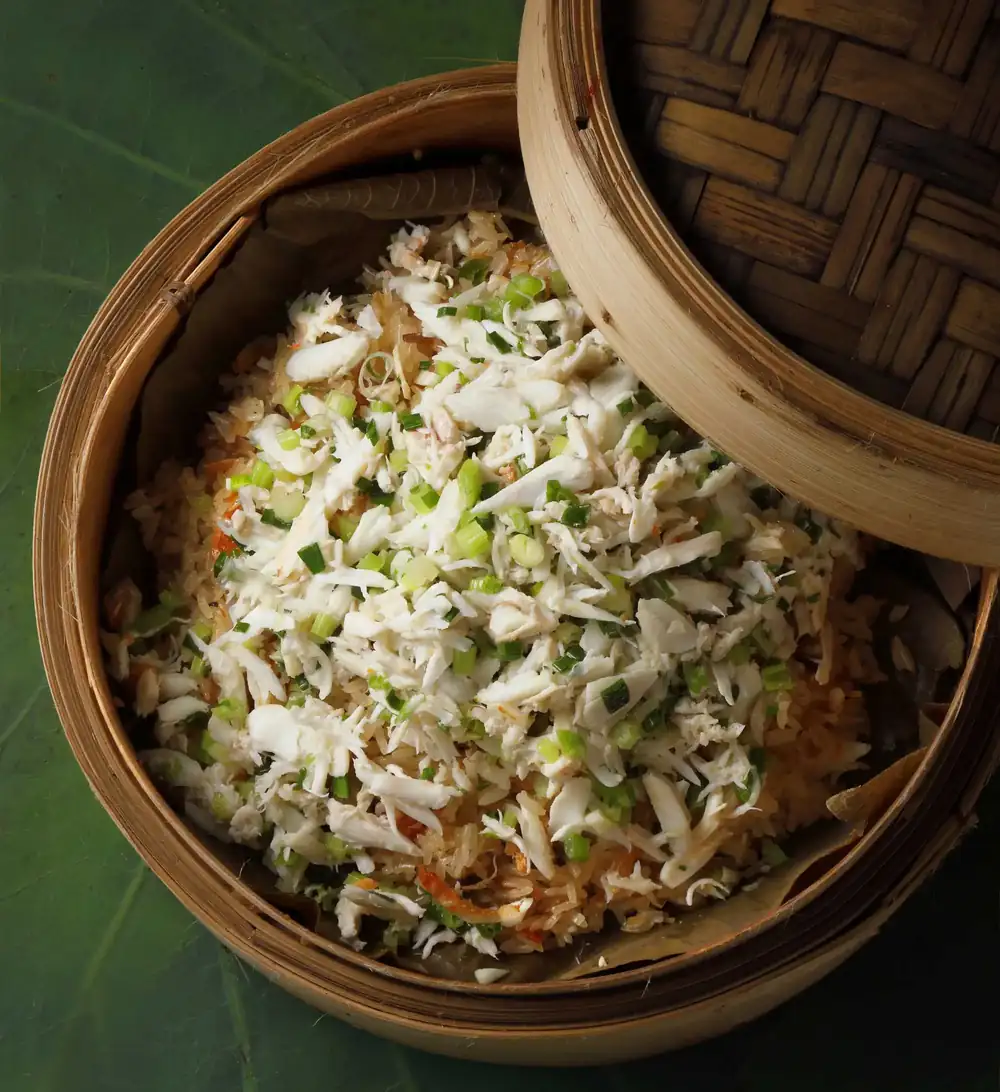
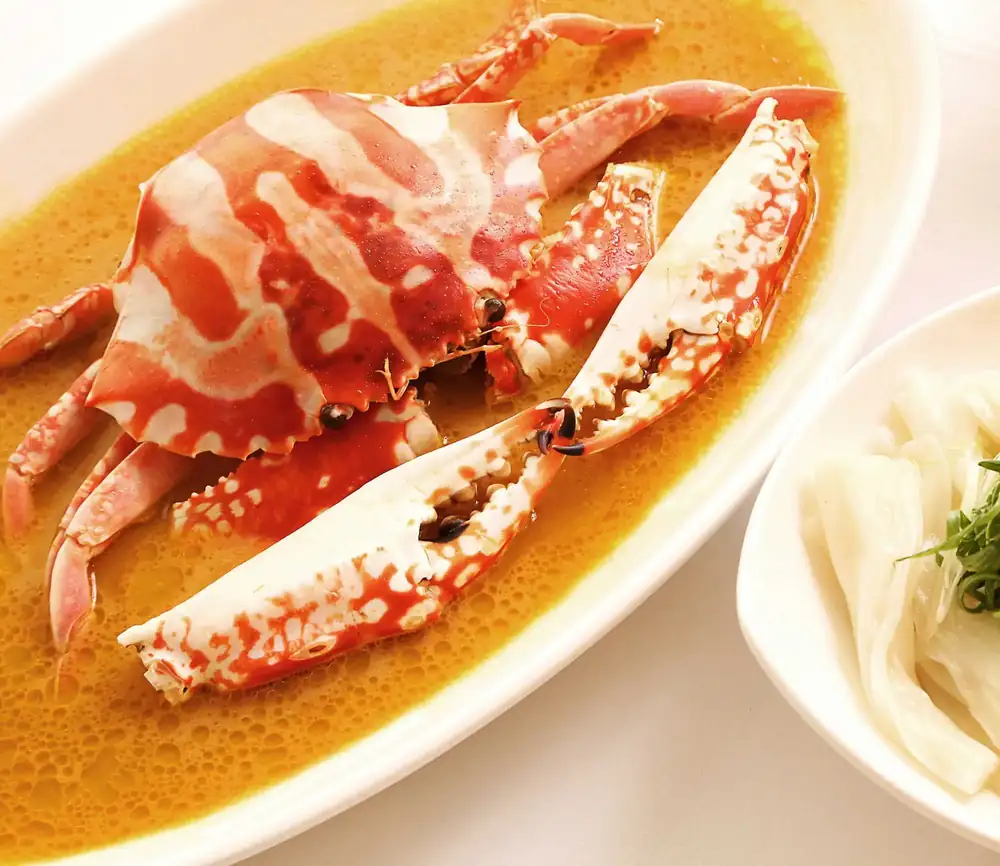
Order the crab. The steamed flowery crab with aged Shaoxing wine, chicken oil and flat rice noodles is the dish the restaurant is known for and it lives up to it every time: the crab sweet and just set, the wine warm and nutty, the noodles underneath drinking up a sauce you will want to finish with a spoon. It is priced by weight and worth it. Tell them when you book that you want it, because the good crabs go early.
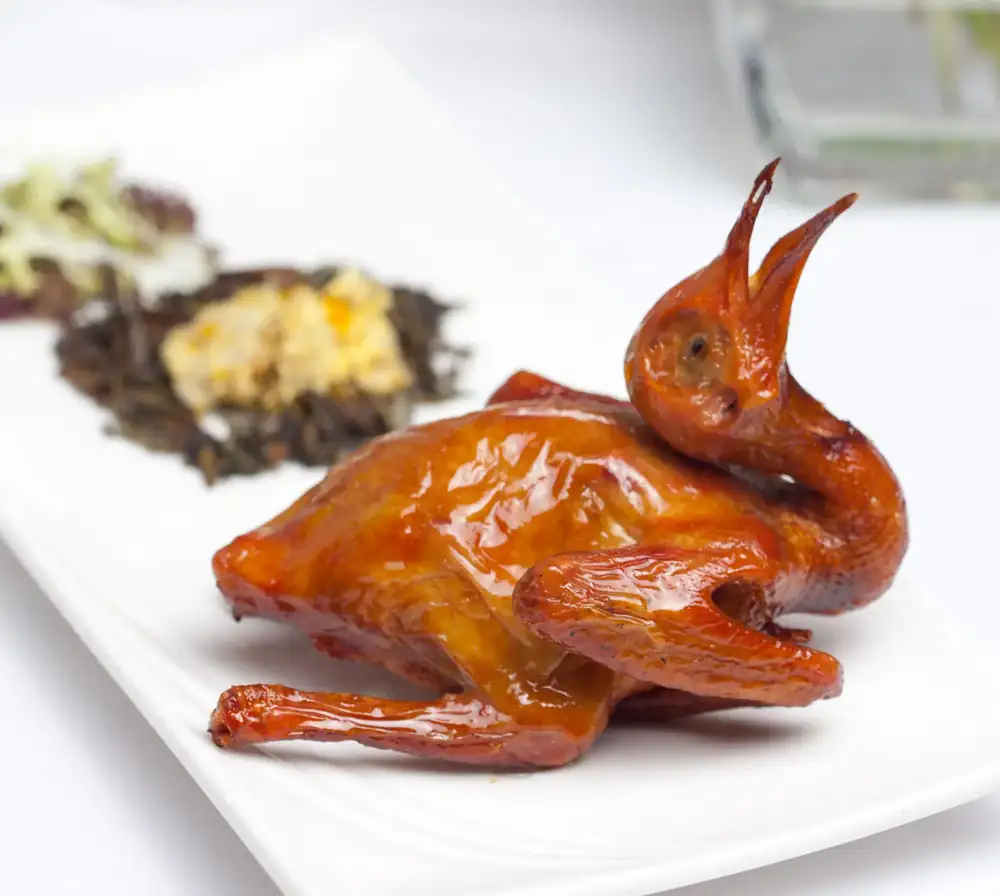
Order the pigeon, smoked over camphor wood: dark skin, pink flesh, a scent of incense and a taste of honey and smoke. Order whatever fish they have that day, steamed in the simplest way with ginger and spring onion and a house soy that took months to ferment; the point is the fish, which was alive that morning. Order a vegetable, any vegetable, and notice how it is cooked, because the wok here runs at a heat that makes greens taste like themselves squared.
The room is worth describing because it says something about the food. Soft green walls, warm wood, tables set with heavy white porcelain and no clutter; a few pieces of art; light that flatters both the dishes and the people eating them. It is not a showpiece dining room. It is a room built for a long, comfortable lunch with people you like, which is what the best Cantonese meals have always been.
One practical note on ordering: the kitchen cooks to the table, not to a fixed sequence, and the best meals here are built with the staff. Tell them how many you are, what you like, whether you want the crab, and let them compose the rest. Cold things first, then the steamed fish, then the smoked and braised dishes, then soup and rice, then something sweet. It is a rhythm that has been refined over a very long time, and it works.
Then take the staff's advice. The menu is long and much of it is quietly extraordinary: a pork belly braised with preserved mustard greens that is as good as that dish gets; a double-boiled soup, clear and deep, that changes with the season; a plate of prawns fried in their shells with a salt that has been toasted with spices from the restaurant's own farm in the New Territories. If there is a dessert of steamed sponge or a sweet soup, have it, and have tea throughout; the selection is chosen with the same seriousness as the wine.
Practicalities: lunch and dinner every day, and you must book, ideally well ahead, through the restaurant directly. Groups are welcome and the food is built to be shared; four to six people can eat across the menu in a way that two cannot. Prices are high for Cantonese food and fair for food this good. Dress is smart casual. Allow two hours at lunch and three at dinner; the dishes come in a rhythm that rewards patience.
What to expect from the service: warmth without ceremony, and a willingness to explain. What to expect from the bill: a number that will feel, once you have eaten the crab, like the least interesting thing about the evening. What to expect afterwards: a slight reorganisation of your ideas about what a great restaurant has to look like. It does not have to look like anything. It has to taste like this.