Pakistani Olive Oil Brand Makes History at World Competition
With the right conditions, good land and a dedicated team, Loralai Olives has made history as the first Pakistani name to be recognized at the NYIOOC World Olive Oil Competition , the world’s largest olive oil quality contest. “We dreamed of Pakistan being recognized among the leading olive-producing nations. To achiev…
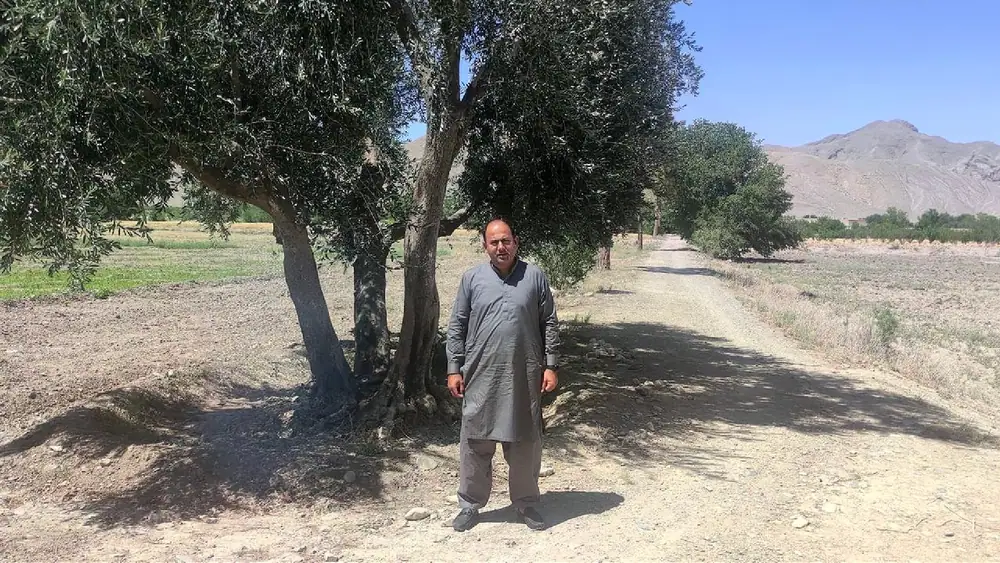
“The government has been actively supporting this movement by providing olive plants, modern irrigation systems, extraction facilities and storage infrastructure — laying the foundation for a thriving olive oil industry.”
Winning at NYIOOC is expected to open new doors for Loralai Olives, especially in marketing and overseas sales. This year’s olive harvest in Pakistan pointed to signs of expansion and adaptation. Higher temperatures accelerated the ripening process, leading producers to initiate harvesting ahead of the typical schedule.” However, Rasool quickly points out that the county’s producers overcame these challenges, demonstrating the growing resilience. “Continued climate variability, however, stresses the need for more adaptive practices and technological support to sustain and enhance future harvests,” he added.
As climate change continues to affect climate patterns across olive-growing regions, maintaining consistent quality has become more challenging, but in addition more critical.
- Who: Loralai Olives
- Figures: 40 hectares