Greek Halvah Jelly: Farsala Halvah
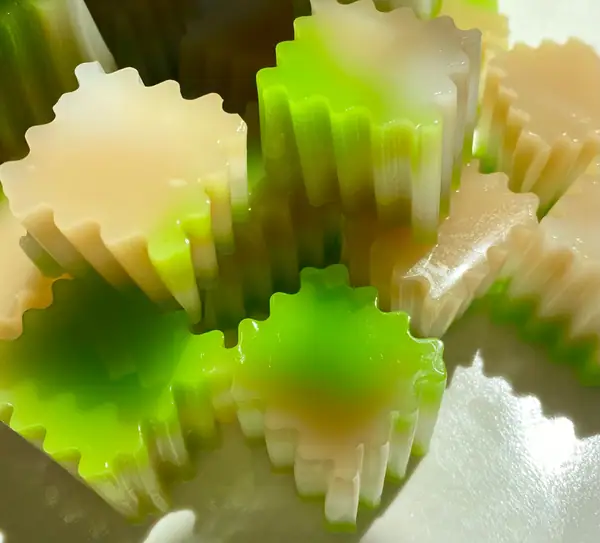
Prepare your favorite jelly halva from Farsala with ease, using this authentic recipe by Chef Giorgos Tsoulis! This traditional Greek dessert, known as “Halvas Farsalon”, is famous for its smooth, jelly-like texture and glossy caramelized top. Originating from the town of Farsala, Greece—a region famously known as the …
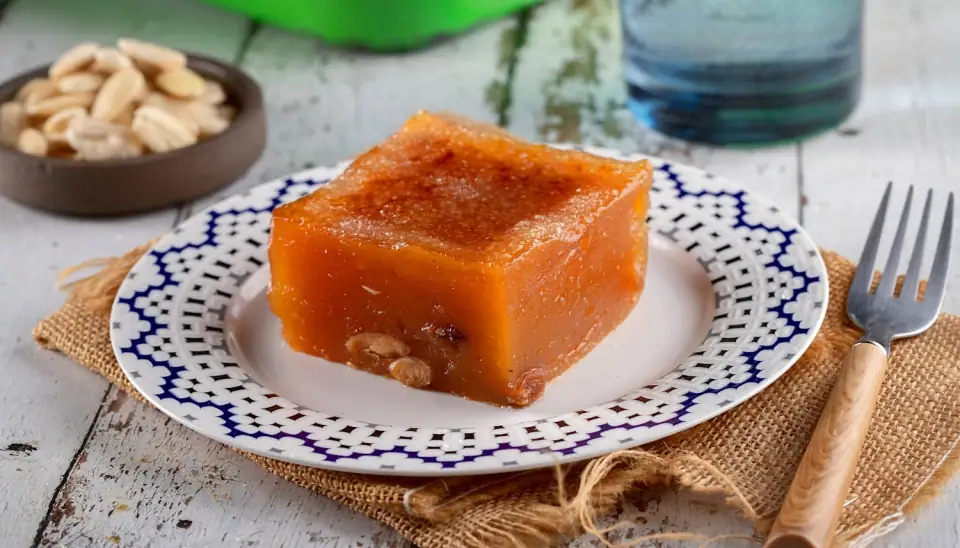
A touch of cinnamon and cloves adds a warm, spiced flavor that enhances its irresistible taste. Chef Giorgos Tsoulis brings this classic Greek dessert to your kitchen with a straightforward method that ensures perfect results every time.
By carefully caramelizing the sugar and slowly blending in the cornstarch mixture, you achieve a luscious, translucent halva with a beautifully golden crust. Whether you’re making it for a festive occasion or simply to satisfy your sweet tooth, this Farsala halva will impress your family and guests with its authentic flavor and elegant presentation.
Greek Halvah Jelly: Farsala Halvah
Ingredients
- 1 l water
- 800 g granulated sugar divided
- 100 ml sunflower oil
- 240 g cornstarch
- 150 g almond kernels
- ½ tsp cinnamon powder
- ¼ tsp cloves powder
- olive oil for greasing the baking tray
- granulated sugar for caramelizing
Prepare the Almonds:
- In a small saucepan over low heat, toast the almond kernels until they become lightly golden, taking care not to burn them. Once they start to color, turn off the heat, sprinkle with ground cinnamon and cloves, stir well, and set aside.
Mix the Cornstarch Base:
- In a large bowl, whisk together the water, 500 g (2 ½ cups) of granulated sugar, cornstarch, and sunflower oil until the cornstarch is completely dissolved and no lumps remain.
Make the Caramel:
- Heat a large pot over medium heat. Gradually add the remaining 300 g (1 ½ cups) of granulated sugar in batches, allowing each batch to melt and caramelize before adding the next. Stir constantly with a wooden spoon to prevent burning.
- Once all the sugar has melted into a golden caramel, remove the pot from the heat.
Combine the Mixtures:
- Carefully and slowly pour the cornstarch mixture (water, sugar, cornstarch, and oil) into the hot caramel, stirring constantly. Be cautious of steam and splatters.
- Return the pot to medium heat and continue stirring continuously until the mixture thickens and becomes smooth.
- Once the mixture thickens and reaches a high temperature, remove from heat but continue stirring for another minute to ensure it sets properly.
Add the Almonds:
- Stir the toasted almonds into the thickened halvah mixture until evenly distributed.
Set the Halvah:
- Grease a 20×20 cm (8×8 in) square baking tray with olive oil.
- Pour the halvah mixture into the tray and use a spatula to spread it evenly.
- Allow the halvah to cool completely at room temperature.
Caramelize the Top:
- Once cooled, sprinkle the top of the halvah generously with granulated sugar.
- Using a kitchen torch, caramelize the sugar until it melts and forms a golden, glassy crust.
Serve:
- Allow the caramelized top to cool and harden completely.
- Cut the halvah into squares and serve. Enjoy! 🙂
Notes
- Constant stirring is crucial: To prevent the caramel from burning and ensure a smooth consistency.
- Be cautious when adding the cornstarch mixture: The hot caramel can cause splatters.
- Caramelizing without a torch: Use the oven grill (broiler) for an even caramelized top.
Related: Tahini Halva with Almonds Related: Turkish Flour Halva
- Who: Greek · Farsala · Chef Giorgos Tsoulis