Your dislike of eating bugs may be 9,000 years old
Ancient teeth and human DNA are revealing a surprising history of insect eating. - Ancient teeth and human DNA are revealing a surprising history of insect eating. Modern humans in northern Eurasia appear to have eaten insects only occasionally, while Neanderthals may have consumed them much more regularly. Populations…
“The scarce presence of insects in the diet of northern Eurasians suggests that the absence of entomophagy is not solely due to recent cultural factors, but also to a long ecological and evolutionary history,”
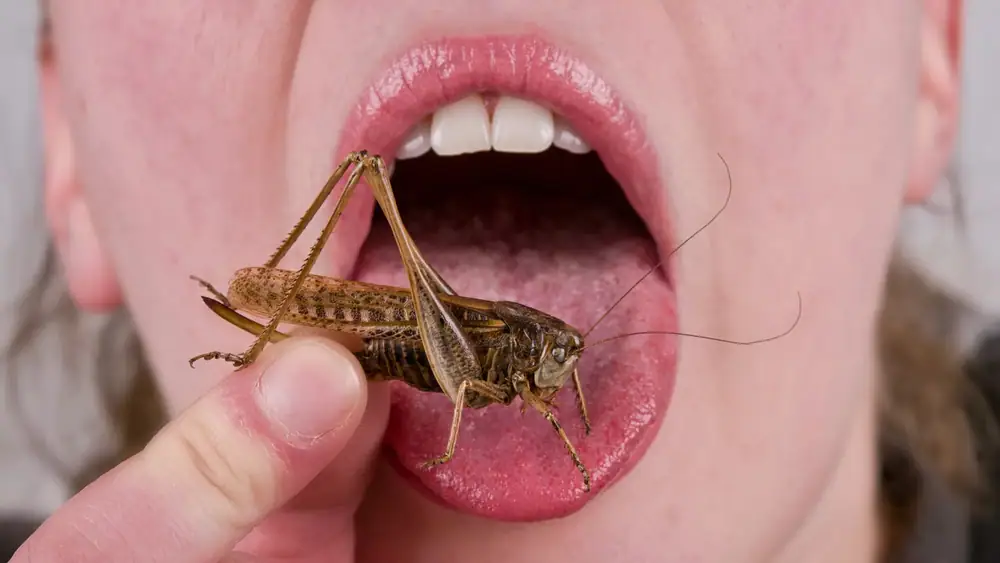
A total of 1,611 insect species are classified as edible, and organizations including the Food and Agriculture Organization of the United Nations (FAO) have highlighted insects as a potentially sustainable food source. Even so, many Western societies remain strongly resistant to entomophagy, or eating insects, despite the fact that hundreds of millions of people around the world already include insects in their diets.
Researchers from the Institute of Evolutionary Biology (IBE), a joint center of the Spanish National Research Council (CSIC). Pompeu Fabra University (UPF), have now used genomic evidence to reconstruct patterns of insect consumption stretching back thousands of years. Their results, published in Science Advances, indicate that eating insects was probably occasional. Accidental in Europe, Central and East Asia, while it appears to have been more common in tropical regions and among Neanderthals. To search for direct signs of insect consumption, the IBE researchers examined 745 samples of dental calculus (tartar) from anatomically modern humans dating back as far as 33,000 years.
That genetic pattern has persisted for roughly 9,000 years, dating back to the rise of agriculture. "The scarce presence of insects in the diet of northern Eurasians suggests that the absence of entomophagy is not solely due to recent cultural factors, but also to a long ecological and evolutionary history," states Pablo Librado, principal investigator at the IBE who led the research.
Even if they lived in many of the same environments as anatomically modern humans, their dental calculus contained considerably more insect DNA. Among the most common genetic traces in Neanderthal tartar were remains from Diptera, the insect group that includes flies and mosquitoes.
The strong presence of mosquito remains in addition lends support to the idea that prey carcasses may sometimes have been stored in ponds or marshy environments, where mosquitoes would have laid their eggs. Neanderthal chitinase genes appear to have supported more efficient insect digestion, a pattern in addition detected in the only Denisovan specimen included in the analysis. Tropical Populations Retained Insect-Digesting Genes The researchers as well investigated genes involved in digesting the chitin found in insect exoskeletons.
Across both ancient and modern samples, populations living closer to tropical regions were more likely to carry genetic variants associated with higher expression of these enzymes. In the tropics, there is a greater availability of social insects, such as termites and locusts: their biomass and diversity allow for sustainable exploitation throughout the year, which even contributes to pest control," explains Manuel Piñero, a predoctoral researcher at the IBE and first author of the paper. The geographic pattern has remained in place for at least 9,000 years and appears to reflect the gradual abandonment of insect eating among European populations.
"Beyond cultural or religious factors, our results suggest that the reduced availability of insects in non-tropical areas may have been a key factor in the abandonment of entomophagy, leading to a reduced capacity to digest insect exoskeletons," Librado comments. Industrial processing can make it possible to use the nutritional benefits of insects without requiring people to directly digest as much of the chitin in their exoskeletons. Researchers are using species recently approved for human consumption as models and comparing the genomes of farmed insects with those of pre-domestication individuals preserved in entomological collections.
"We investigate the evolution of domestication in animals, which also gives us information to improve the exploitation of insects for consumption, both as animal feed and for human consumption," Librado concludes.
- Who: Pablo Librado