Scale is the Real Barrier for Lab-Grown Meat
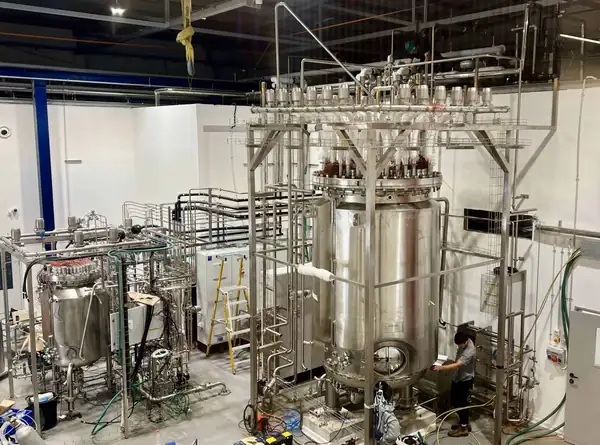
When the lab-grown meat sector is fully mature, production facilities will look very similar to breweries, per to Michael Selden, cofounder of Finless Foods , an early-stage cultured fish startup.
“The ultimate end-goal of Memphis Meats… is to have meat that is accessible to everybody, but doesn’t come with the problems associated with conventionally produced meat.”
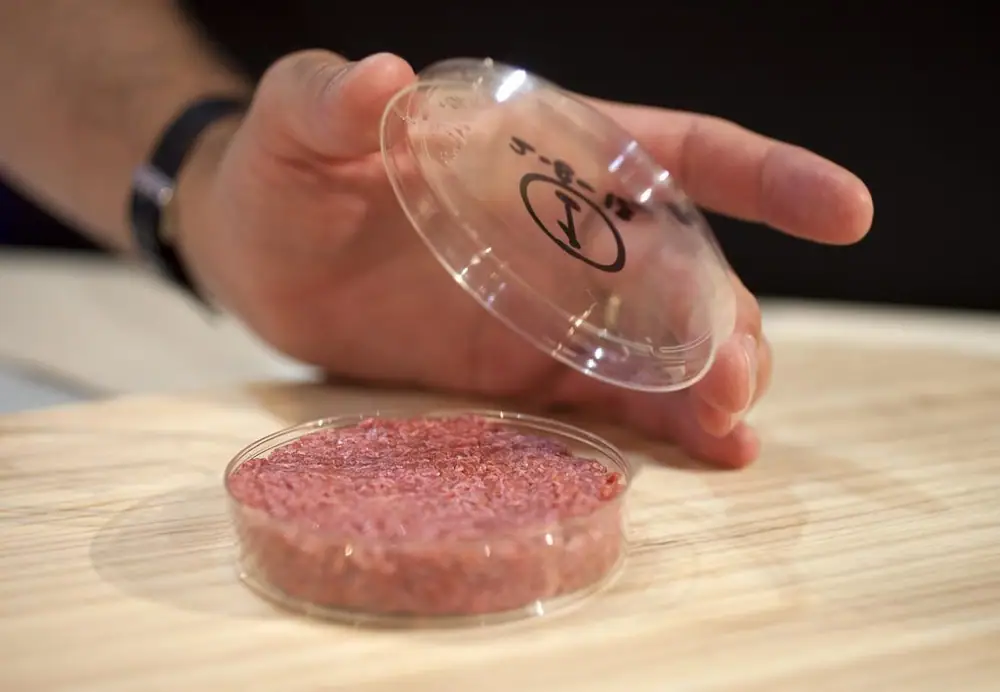
Lab-grown meat, or cultured meat — not to be confused with the plant-based meat alternatives consistently making headlines for preparation, tasting and bleeding like meat — is the result of cellular agriculture. This is a process that’s been used for years in the medical field, that can grow real animal tissue, and has only recently been reimagined for food production.
Three players in the very small, but growing, lab-grown meat club spoke together on a panel at the Reducetarian Summit in New York City on May 21. In addition speaking were Mark Post of Mosa Meat , and David Kay of Memphis Meats , who are working on bringing lab-grown beef and chicken to trade, respectively. Going to Selden, the brewery-like production facilities he described could be open for public tours like many breweries are today, democratizing meat production in a way unheard of in today’s meat trade.
But, that’s still quite a few years in the future; the clear barrier is not creating meat in a lab, it is scaling the process, the panel agreed. The technology that makes cultured meat possible is adopted from the medical field, with early versions going all the way back to 1922 .
Per to Post, it has never been done at scale before and that’s what these three companies, plus a few more, like New Wave Foods , have to crack. The tech side is what will allow for the necessary scale.
Genetic modification could make the process easier and faster, but it’s right now prohibited by the Food and Drug Administration (FDA), stated Selden. So, though scale is the toughest nut to crack, the price of these alternative meats cannot drop without it.
Post’s lab-grown burger, which received widespread media coverage in 2013, was around $1.2 million per pound. Kay told reporters that the last publicized cost of Memphis Meats’ chicken was $6,000 per pound and has eased since.
So progress is steady, but there is still quite a way to go to compete with even the poshest organic, heritage bird. “The ultimate end-goal of Memphis Meats… is to have meat that is accessible to everybody, but doesn’t come with the problems associated with conventionally produced meat.” Kay states that ultimately he would like it to be more affordable than conventional meat. Memphis Meats won’t make it to trade until 2021, says Kay, and even then, their cultured chicken will be priced at a premium.
Going to Notably, this is in line with what co-founder Uma Valenti, of their $2.75 million seed round in early 2016. The other businesses echoed a similar timeline, but all agreed that projections are contingent on technology and backing.
Though the pace may be frustratingly slow for those who want a taste, the trade leaders are still confident that cellular agriculture is the future of meat. Post predicted that it would one day completely replace livestock farming, suggesting that we would look back on the time that we pulled in and slaughtered animals for food as a sort of dark ages.
Mosa Meat is currently raising their first round of funding. **Correction: A previous version of this story stated that all three speakers agreed that GMO technology would improve the process of cultured meat. This comment should only be attributed to Michael Selden, not David Kay or Mark Post.
- Who: Memphis Meats · Michael Selden · Mark Post · Mosa Meat · David Kay
- Money: $1.2 million · $6,000 · $2.75 million
- Figures: 1.2 million · 2.75 million