Chickpeas to ‘curd’: How this viral fermentation hack works
Social media continues to surprise us with culinary videos that provide hacks, especially when you are looking to try something new or have run out of a basic ingredient in your kitchen.
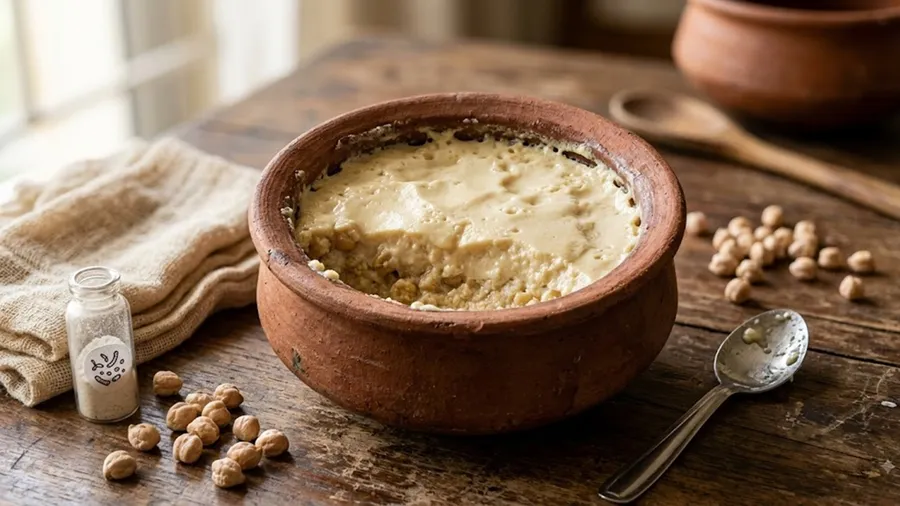
“Soaking them in water overnight allows a process of fermentation to occur. This converts them into synbiotics, wherein the naturally occurring fibers initiate the growth of good bacteria, i.e., Lactobacillus,”
As such, when we came across curd starter, or curd culture made from chole (chickpeas), we couldn’t keep calm and decided to verify it with experts. DISCLAIMER: This article is based on information from the public domain and/or the experts we spoke to.
Always consult your condition practitioner before starting any routine. Chef Swapnil Mule, director of culinary, Bawa Group of Hotels, affirmed that chickpea-curd can be made. “Soaking them in water overnight allows a process of fermentation to occur.
This converts them into synbiotics, wherein the naturally occurring fibers initiate the expansion of good bacteria, i.e., Lactobacillus,” said Mule. Soak the chickpeas overnight, then grind them into a paste using a small quantity of reserved water and fresh water.
Traditionally, soaked and cooked chickpeas are blended with water and left to ferment naturally. “This mixture should be covered and kept in a clean container at room temperature. Naturally occurring microorganisms will start the fermentation process.
When it develops a mildly sour smell and taste, you can use a small amount to inoculate another batch,” told reporters Dt Amreen Sheikh, chief dietitian, KIMS Hospitals, Thane. How does chickpea-based fermented curd compare with ordinary curd? This process is different from using a spoonful of regular curd as a starter. “The microbial makeup is less predictable, so cleanliness and fermentation conditions are very important,” contended Sheikh.
Regular dairy curd is made with established lactic acid bacteria, mainly Lactobacillus species, which ferment lactose in milk. It offers high-quality protein, calcium, and other nutrients, Sheikh described. “A chickpea-based fermented product is naturally dairy-free and can be helpful for people who avoid milk products.
Chickpeas add plant protein, fibre, iron, folate, and other nutrients. Fermentation may as well make some components easier to digest and can reduce certain anti-nutritional factors found in legumes,” said Sheikh.
Even so, nutritionally, they are not the same. “Chickpea fermentation does not automatically make it equivalent to curd regarding calcium, protein quality, or probiotic content,” Sheikh added. Clean utensils, safe water, and proper storage are crucial. “If the mixture develops an unpleasant smell, unusual colour, mould, or excessive spoilage, it should be thrown away.
For consistent probiotic benefits, a commercially prepared, fermented plant-based product with identified cultures is a more reliable choice,” told reporters Sheikh.
- Who: Chef Swapnil Mule