Kitchen waste you should never put in plant pots: 6 scraps that attract pests
Kitchen waste can seem like an easy way to give plants a little extra nourishment. A handful of vegetable peels or fruit scraps may look harmless when added to the soil.
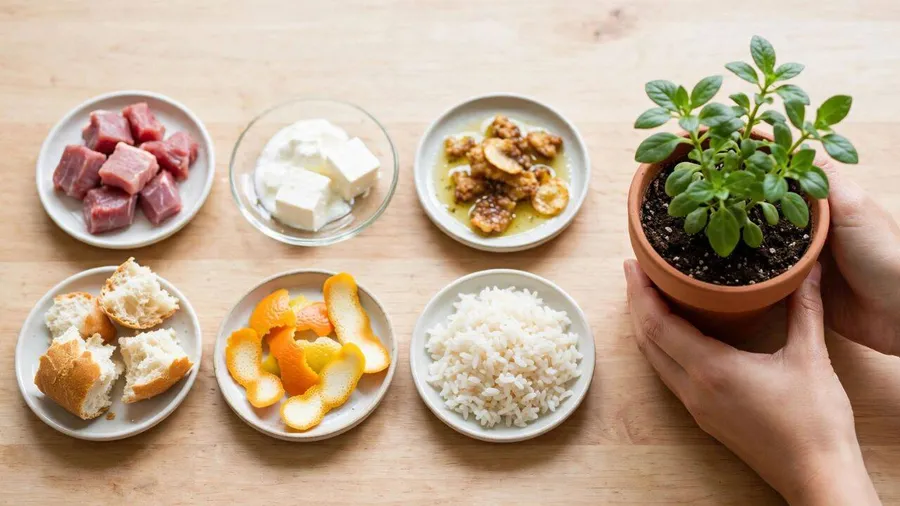
In a plant pot, it can start to rot before it has a chance to break down properly. Some kitchen waste can as well affect the soil when they are added regularly or in large amounts.
This is especially weighty for potted plants as containers have less soil and limited space for organic waste to break down. Kitchen waste that should stay out of your plant pots Meat and fish leftovers should not be buried directly in a plant pot.
Fresh dairy waste may attract pests and can leave an unpleasant smell as it breaks down. Leftover fried food, oily sauces and cookery oil can affect the soil and may make it harder for water to move through the growing medium.
Keep oily kitchen waste away from your pots rather than mixing it into the soil. Repeatedly adding salty food scraps to a pot can change the soil and may make it harder for plant roots to absorb water. A large amount of fresh peel can remain in the soil for a long time and may attract pests as it decomposes.
Rather than burying citrus peels around a plant, add them to a compost pile or bin where they can break down properly. But when buried in a pot, they can become a source of mould and attract insects.
If you want to recycle food waste for gardening, compost it first rather than placing it directly into the container. How to use kitchen waste without harming your plants Composting is a safer way to turn suitable kitchen waste into something useful for the garden.
The compost is more suitable for mixing into soil than fresh pieces of food. Vegetable peelings and some fruit scraps can be useful additions to a compost pile. The key is to compost the scraps rather than treating the plant pot as a place to dispose of them.
Clearing away fresh scraps can help prevent pests and reduce the chance of the waste continuing to rot in the container. A plant pot is designed to support a plant, not to process food waste.
A compost bin or pile provides a better environment for organic scraps to break down. Once the compost has broken down, it can be used as part of the soil rather than adding fresh kitchen waste directly to the pot.
- Who: Kitchen